

Cement Particle Pneumatic Conveying Machine: Operation Process and Working Principle
For industrial applications that require efficient and reliable transportation of cement particles, the cement particle pneumatic conveying machine stands out as a sophisticated solution. This equipment is designed to handle the unique challenges associated with cement, such as its fine particle size, cohesive properties, and potential for dust generation. By leveraging pneumatic technology, these machines offer a clean, low-maintenance, and highly effective method for moving bulk materials like cement from one location to another.
Key Components and Their Roles
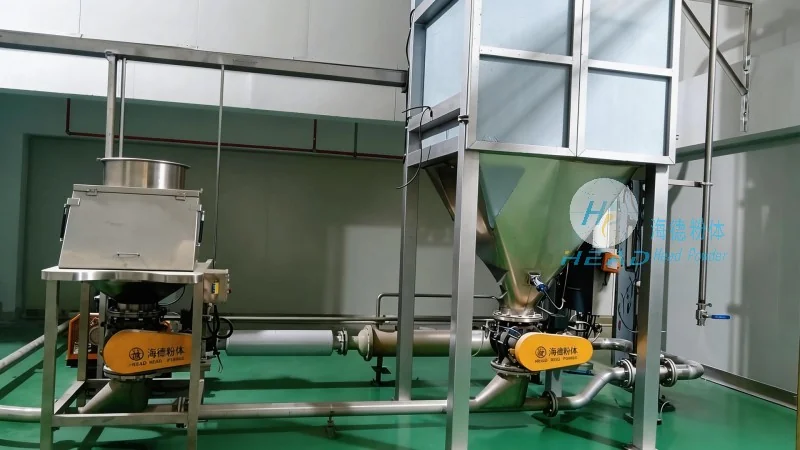
The cement particle pneumatic conveying machine consists of several critical components, each playing a vital role in the overall operation. The main parts include the hopper, which serves as the material storage and feeding unit; the air compressor or blower, responsible for generating the necessary airflow; the conveying line, which transports the material; and the discharge valve or receiver, where the material is deposited. Additionally, components like filters, cyclones, and pressure relief valves are often integrated to ensure system safety and efficiency.
Working Principle of the Pneumatic Conveying Process
The operation of a cement particle pneumatic conveying machine is based on the principle of pneumatic transport, where material is moved by the force of air. The process typically begins with the material being fed from the hopper into the conveying line. Simultaneously, the air compressor creates a high-pressure airflow that propels the cement particles forward. As the particles travel through the line, they are suspended and carried by the air stream. The conveying line may include bends, expansions, or reductions, which are designed to maintain the material's suspension and prevent blockages. At the discharge end, the material is separated from the air, often through a cyclone or filter, and collected in the receiver. The air, now free of dust, is then discharged back into the environment or recirculated through the system.
Operation Process: Step-by-Step Overview
The operation of the cement particle pneumatic conveying machine follows a systematic process to ensure consistent and efficient material transport. The steps are as follows:
1. Material Loading: The cement is loaded into the hopper from a storage silo or bulk container. The hopper is equipped with a feeding mechanism, such as a rotary valve or screw feeder, to control the flow rate of the material.
2. Air Compression: The air compressor or blower is activated, generating a steady airflow at the required pressure and volume. The airflow is directed into the conveying line, creating a vacuum or positive pressure environment depending on the system design.

3. Material Conveying: As the material is released from the hopper, it is drawn into the conveying line by the airflow. The particles are suspended in the air stream and transported to the discharge point. The system may use either positive pressure or negative pressure (or a combination of both) to move the material, with positive pressure being more common for long-distance or high-capacity applications.
4. Material Discharge: At the receiving end, the material is separated from the air using a cyclone separator or a filter. The separated cement is collected in the receiver, while the air is either vented to the atmosphere or recirculated back to the compressor.
5. System Monitoring and Control: Modern cement particle pneumatic conveying machines are equipped with sensors and control systems to monitor parameters such as pressure, flow rate, and material level. These systems allow for real-time adjustments to optimize performance and prevent issues like blockages or overloading.
Advantages of Using a Cement Particle Pneumatic Conveying Machine
Implementing a cement particle pneumatic conveying machine offers several advantages over traditional methods like belt conveyors or bucket elevators. These benefits include:
• Reduced Labor Costs: The automated nature of the system minimizes the need for manual handling, reducing labor expenses and the risk of workplace injuries.

• Improved Safety: By eliminating the need for manual loading and unloading, the system reduces exposure to dust and other hazards associated with cement handling.
• Enhanced Efficiency: Pneumatic conveying allows for continuous, high-volume material transport, increasing production throughput and reducing downtime.
• Space Efficiency: The compact design of the machine makes it suitable for installations with limited space, as it does not require extensive horizontal or vertical infrastructure.
• Low Maintenance: The absence of moving parts in the conveying line (except for the hopper and discharge components) reduces wear and tear, leading to lower maintenance costs and longer equipment lifespan.
Applications and Industries
Cement particle pneumatic conveying machines are widely used in various industries that require the transport of bulk materials. Key applications include:
• Cement Manufacturing: Used within cement plants to move raw materials, clinker, and finished cement between processing units.

• Construction Materials: Employed in the transportation of cement from storage silos to construction sites or mixing plants.
• Chemical and Pharmaceutical Industries: Utilized for handling fine powders and granules, where dust control and material purity are critical.
• Food Processing: Applied in the transport of powdered ingredients in food production facilities.
• Mineral Processing: Used to move crushed minerals and powders in mining and processing operations.
Conclusion and Company Information
The cement particle pneumatic conveying machine is a highly effective and efficient solution for the transportation of cement and other fine particles. By understanding its operation process and working principles, industries can leverage this technology to improve productivity, enhance safety, and reduce operational costs. As a leading provider in the field, Shandong HeadPowder Engineering Co., Ltd. specializes in designing and manufacturing customized pneumatic conveying systems tailored to the specific needs of clients. With a focus on quality, reliability, and innovation, HeadPowder ensures that its equipment meets the highest standards of performance and durability. Based in Shandong, China, the company serves a global clientele, delivering solutions that enhance operational efficiency and support sustainable industrial practices.