

The Operation Process and Working Principle of Dolomite Material Pneumatic Conveying
Dolomite, a calcium magnesium carbonate mineral, is widely used in various industrial applications such as steelmaking, glass production, and chemical manufacturing. Efficient material handling is crucial for optimizing production processes, and pneumatic conveying systems offer a reliable solution for transporting dolomite and other bulk materials. This article provides an in-depth look at the operation process and working principle of dolomite material pneumatic conveying, highlighting the key components, operational steps, and benefits of this technology.

Company Overview: Shandong HeadPowder Engineering Co., Ltd.
HeadPowder, a leading engineering company based in Shandong, China, specializes in the design, manufacturing, and installation of advanced material handling systems. With years of experience in the industry, HeadPowder has developed expertise in pneumatic conveying solutions tailored to the unique requirements of various bulk materials, including dolomite. The company's commitment to quality and innovation ensures that its systems meet the highest standards of performance and reliability.
Key Components of Pneumatic Conveying Systems
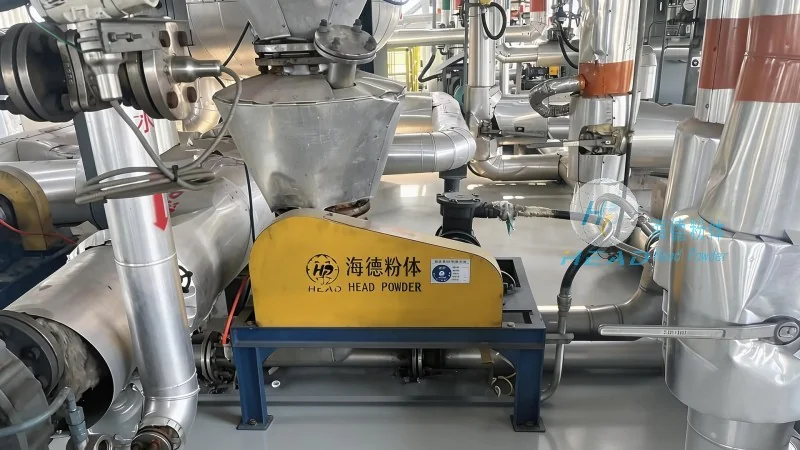
A pneumatic conveying system for dolomite typically consists of several critical components that work together to facilitate material transport. These components include the hopper or feed bin, which stores and feeds the dolomite material; the conveyor line, which can be either positive or negative pressure systems; the airlock or rotary valve, which controls the flow of material into the system; and the dust collector or filter, which removes airborne particles and ensures environmental compliance. Each component plays a vital role in maintaining the efficiency and safety of the conveying process.
The Operation Process of Dolomite Pneumatic Conveying
The operation process of dolomite material pneumatic conveying involves several sequential steps that ensure smooth and continuous material transport. First, the dolomite is stored in the feed hopper, where it is held under controlled conditions to prevent caking or degradation. Next, the material is fed into the conveyor line through an airlock or rotary valve, which regulates the flow rate and prevents backflow. The conveyor line then uses either positive pressure (where air is blown through the system) or negative pressure (where air is drawn out) to move the dolomite from the source to the destination. The system is equipped with sensors and controls that monitor pressure, flow rate, and material level, allowing for real-time adjustments to maintain optimal performance. Finally, the dolomite is discharged at the receiving end, where it is collected in a storage bin or directly fed into the next production stage.
Working Principle of Pneumatic Conveying
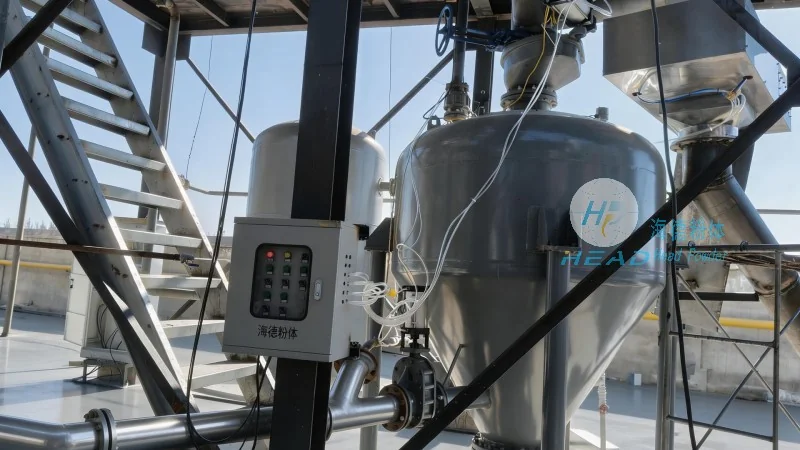
The working principle of pneumatic conveying for dolomite relies on the movement of air to transport the material. In positive pressure systems, a blower or fan generates high-pressure air that is introduced into the conveyor line. The air flows through the system, carrying the dolomite particles along with it. The velocity of the air is carefully controlled to ensure that the particles are suspended and transported without causing excessive wear or degradation. In negative pressure systems, a vacuum pump creates a low-pressure environment that draws the dolomite and air mixture into the system. The air then carries the material to the destination, where the air is filtered and the material is separated. The choice between positive and negative pressure depends on factors such as the distance of transport, the material characteristics, and the system layout. Both systems are designed to minimize material degradation, energy consumption, and environmental impact.

Benefits of Using Pneumatic Conveying for Dolomite
Implementing a pneumatic conveying system for dolomite offers numerous benefits that enhance operational efficiency and product quality. First, the system provides a dust-free and enclosed environment, which improves workplace safety and reduces the risk of material contamination. This is particularly important for dolomite, which can generate fine particles that may be hazardous if inhaled. Second, pneumatic conveying systems are highly flexible and can be easily integrated with existing production lines, allowing for seamless material transfer between different stages of the process. Third, the system minimizes material degradation by reducing friction and impact during transport, which helps maintain the quality of the dolomite for its intended applications. Finally, the automated controls and monitoring systems enable real-time optimization of the conveying process, leading to reduced energy consumption and increased productivity.
Conclusion
Dolomite material pneumatic conveying is a highly effective and efficient method for transporting bulk materials in industrial settings. With its enclosed and dust-free operation, this technology ensures product quality and workplace safety while optimizing production processes. HeadPowder, with its expertise in material handling systems, offers reliable solutions tailored to the specific needs of dolomite and other bulk materials. By understanding the operation process and working principle of pneumatic conveying, industries can make informed decisions to improve their material handling capabilities and enhance overall operational performance.