

Operating Process and Working Principle of Pneumatic Conveying Equipment for Vinyl Ester Resin Mater
For industries dealing with vinyl ester resin materials, efficient material handling is crucial to maintain production efficiency and ensure product quality. Pneumatic conveying equipment offers a reliable solution for transporting these materials from one location to another within a facility. This article explores the operating process and working principle of such equipment, highlighting how it enhances operational performance and safety in material handling applications.

Understanding Vinyl Ester Resin and Its Handling Requirements
Vinyl ester resins are a type of thermosetting polymer widely used in composite manufacturing due to their excellent chemical resistance, mechanical strength, and durability. Handling these materials requires specialized equipment that can manage their unique properties, such as low dust generation and the need for controlled air flow to prevent degradation. Pneumatic conveying systems are designed to address these challenges by providing a closed-loop or open-loop system that safely transports the resin without exposing it to contaminants or atmospheric conditions.
Components of Vinyl Ester Resin Pneumatic Conveying Equipment
The core components of a pneumatic conveying system for vinyl ester resin materials include a hopper for material storage, a feeder to control the flow rate, a conveyor line with appropriate tubing or ducting, a venturi or other air delivery device, and a receiver for the discharged material. Each component plays a critical role in ensuring the smooth operation of the system. The hopper is typically equipped with a level indicator and a discharge valve to regulate the material feed. The feeder, often a rotary valve or a screw feeder, ensures a consistent flow of resin into the conveyor line. The conveyor line is designed with smooth, non-stick surfaces to prevent material buildup and clogging, which is essential for maintaining the integrity of vinyl ester resins. The venturi or air delivery system generates the necessary air pressure to move the material through the line, while the receiver collects the conveyed resin and allows for further processing or storage.
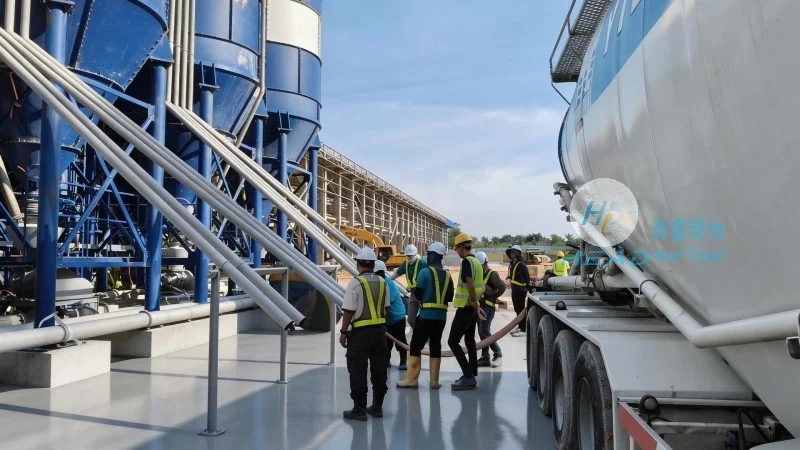
The Operating Process of Pneumatic Conveying for Vinyl Ester Resin
The operation of a pneumatic conveying system for vinyl ester resin materials involves several sequential steps. First, the vinyl ester resin is loaded into the hopper from a bulk container or a production line. The feeder then starts to discharge the resin at a controlled rate, ensuring a steady flow into the conveyor line. Simultaneously, the air delivery system begins to generate airflow through the venturi, creating a pressure differential that pulls the resin particles into the air stream. As the resin particles are entrained by the air, they travel through the conveyor line to the receiver. The receiver is positioned at the destination point, such as a mixing tank or a storage silo, where the resin is deposited. The system may include a filter or a cyclone to separate any fine particles from the air before it is released back into the environment, ensuring compliance with air quality regulations.
Working Principle: How Pneumatic Conveying Transports Vinyl Ester Resin
The working principle of pneumatic conveying relies on the interaction between air and the resin particles. In a typical system, the air is introduced at a high velocity through a venturi or a rotary airlock, creating a suction effect that draws the resin particles into the air stream. The resin particles are then carried along the conveyor line by the air, maintaining a consistent velocity to prevent settling or clogging. The key to efficient operation is maintaining the correct air-to-material ratio, which balances the need for sufficient airflow to transport the resin without excessive energy consumption. This ratio is determined by factors such as the particle size, density, and moisture content of the vinyl ester resin, as well as the length and diameter of the conveyor line. Proper design and maintenance of the system components, including the hopper, feeder, and air delivery system, are essential to ensure the working principle is effectively applied and the system operates reliably.

Benefits of Using Pneumatic Conveying Equipment for Vinyl Ester Resin
Implementing pneumatic conveying equipment for vinyl ester resin materials offers several significant benefits. First, it provides a closed system that minimizes exposure to dust and contaminants, which is critical for maintaining the purity of the resin and preventing cross-contamination with other materials. This closed-loop operation also enhances safety by reducing the risk of respiratory hazards associated with fine resin particles. Second, pneumatic conveying systems are highly efficient in terms of space utilization, as they can transport materials over long distances without the need for multiple transfer points or manual handling. This improves overall production flow and reduces labor costs. Third, the system allows for precise control over the material flow rate and pressure, enabling manufacturers to adjust the conveying process according to production requirements. Additionally, the equipment is designed to handle a wide range of resin types and particle sizes, making it versatile for various applications in composite manufacturing.
Applications in Vinyl Ester Resin Processing
Pneumatic conveying equipment is widely used in various stages of vinyl ester resin processing, from raw material handling to finished product production. In the initial stages, the resin is often received in bulk containers and transferred to storage silos using pneumatic conveying systems. This ensures a continuous supply of resin to the production line without interruptions. During the manufacturing process, the resin is conveyed from the storage silos to the mixing tanks, where it is combined with other ingredients such as hardeners and fillers. The precise control of the conveying system allows for accurate dosing of the resin, which is crucial for achieving the desired properties in the final composite products. In the finishing stages, the resin may be conveyed to a curing oven or a storage area for further processing. The versatility of pneumatic conveying systems makes them suitable for all these applications, providing a reliable and efficient solution for vinyl ester resin handling.

Maintenance and Operational Considerations
To ensure the long-term performance and reliability of pneumatic conveying equipment for vinyl ester resin materials, regular maintenance and proper operational practices are essential. The hopper and feeder components should be inspected regularly for any signs of wear or clogging, as these can affect the flow rate and cause system inefficiencies. The conveyor line and air delivery system should be checked for any leaks or blockages that could disrupt the airflow and lead to material buildup. Cleaning the system periodically, especially after handling different resin types, is necessary to prevent cross-contamination and maintain the system's efficiency. Additionally, monitoring the air pressure and flow rate during operation helps identify any issues early, allowing for timely adjustments or repairs. Proper training of operators on the system's operation and maintenance is also crucial to ensure safe and efficient use of the equipment.
Conclusion: Enhancing Efficiency with Pneumatic Conveying
Pneumatic conveying equipment for vinyl ester resin materials is a vital component in modern composite manufacturing, offering a reliable and efficient solution for material handling. By understanding the operating process and working principle of such systems, manufacturers can optimize their production processes, improve product quality, and enhance operational safety. The benefits of using pneumatic conveying, including closed-loop operation, space efficiency, and precise control, make it an ideal choice for handling vinyl ester resins. With proper maintenance and operational considerations, these systems can provide long-term performance and contribute to the overall success of vinyl ester resin processing applications.