

Several Solutions for PPR Granule Pneumatic Conveying
When it comes to the efficient and reliable transportation of polypropylene (PPR) granules, selecting the right pneumatic conveying system is crucial. PPR granules are widely used in various industries, including plastic manufacturing, chemical processing, and construction materials production. The choice of a suitable conveying method directly impacts production efficiency, material quality, and operational costs. This article explores several effective solutions for PPR granule pneumatic conveying, highlighting the expertise and solutions offered by Shandong HeadPowder Engineering Co., Ltd., a leading provider in the field.

Understanding PPR Granule Characteristics and Conveying Challenges
Before delving into specific solutions, it's essential to understand the unique properties of PPR granules and the challenges associated with their pneumatic transport. PPR granules typically have a relatively uniform particle size, ranging from 0.5 to 5 millimeters, with a density around 0.9 to 0.95 g/cm³. These characteristics influence the selection of air velocity, pressure, and system design. Common challenges include material segregation, blockage in pipelines, and the need for gentle handling to prevent degradation. Shandong HeadPowder Engineering Co., Ltd. addresses these challenges through tailored system designs that ensure optimal performance and longevity.
Positive Pressure Conveying Systems: High-Pressure and Low-Pressure Options
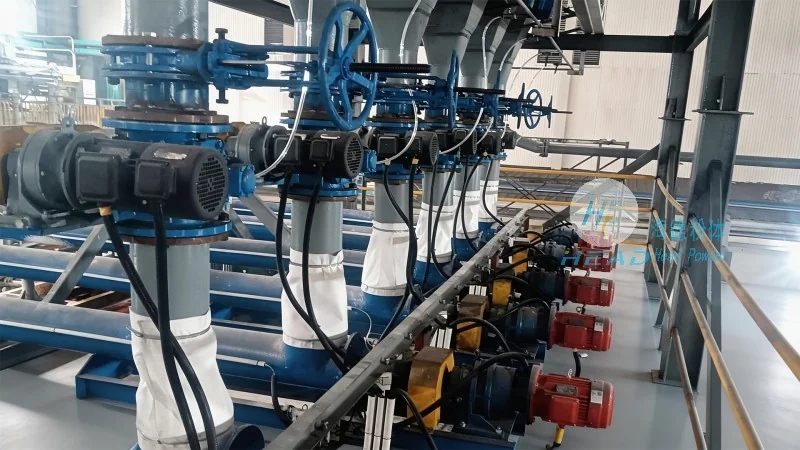
Positive pressure conveying systems are among the most common solutions for PPR granule transport. These systems operate by blowing air into the material, creating a positive pressure that moves the granules through the pipeline. There are two primary types: high-pressure and low-pressure systems. High-pressure systems use pressures ranging from 0.5 to 2 bar and are suitable for short to medium distances, typically up to 100 meters. They are ideal for applications requiring high flow rates and minimal pressure drop. Low-pressure systems, on the other hand, operate at pressures between 0.1 to 0.5 bar and are suitable for longer distances, up to several hundred meters. They are energy-efficient and cost-effective for large-scale operations. Shandong HeadPowder Engineering Co., Ltd. offers both high-pressure and low-pressure positive pressure systems, customizing them to meet specific production requirements and site conditions.
Negative Pressure Conveying Systems: Vacuum-Assisted Transport
Negative pressure conveying systems, also known as vacuum systems, use a vacuum to draw PPR granules into the pipeline. This method is particularly effective for applications where the material needs to be transported from multiple sources or over longer distances. The system consists of a vacuum pump, a hopper, and a pipeline network. The vacuum creates a pressure differential that pulls the granules from the source to the destination. Negative pressure systems are gentle on the material, reducing the risk of degradation and ensuring consistent flow. They are also suitable for handling fine powders and granules that might be prone to clogging. Shandong HeadPowder Engineering Co., Ltd. specializes in designing and implementing vacuum-assisted conveying systems that ensure reliable and efficient transport of PPR granules, even in complex layouts.
Combination Conveying Systems: Balancing Efficiency and Cost
For many industrial applications, a combination of positive and negative pressure systems may be the most effective solution. These hybrid systems, also known as mixed-pressure systems, combine the advantages of both high-pressure and vacuum-assisted transport. The system can operate in positive pressure mode for short sections and negative pressure mode for longer distances, optimizing energy usage and reducing operational costs. This approach is particularly useful in large-scale plants where material needs to be transported over varied distances and through complex networks. Shandong HeadPowder Engineering Co., Ltd. provides comprehensive design and installation services for combination conveying systems, ensuring that clients achieve the best possible balance between efficiency and cost-effectiveness.

Key Components and Design Considerations for PPR Granule Conveying
Regardless of the system type, several key components and design considerations are critical for successful PPR granule pneumatic conveying. These include the hopper design, which must prevent material segregation and ensure uniform feeding; the pipeline layout, which should minimize bends and pressure losses; and the air filtration system, which is essential for maintaining air quality and preventing dust accumulation. The selection of appropriate materials for the pipeline and components is also crucial, as PPR granules can be abrasive and may cause wear over time. Shandong HeadPowder Engineering Co., Ltd. employs advanced engineering techniques and materials science to design systems that are durable, efficient, and long-lasting. Their expertise in material handling and pneumatic transport ensures that clients receive solutions that meet their specific needs and comply with industry standards.

Case Studies and Real-World Applications
Shandong HeadPowder Engineering Co., Ltd. has successfully implemented PPR granule pneumatic conveying systems in various industries. For example, in a plastic manufacturing plant, the company designed a high-pressure positive pressure system to transport PPR granules from storage silos to the production line. The system was customized to handle high flow rates and ensure consistent material supply, resulting in improved production efficiency and reduced downtime. In another case, a chemical processing facility required a vacuum-assisted system to transport PPR granules over a distance of 500 meters. The system was designed to handle fine granules and prevent clogging, achieving reliable and continuous operation. These case studies demonstrate the effectiveness of Shandong HeadPowder Engineering Co., Ltd.'s solutions in addressing the unique challenges of PPR granule pneumatic transport.
Conclusion: Choosing the Right PPR Granule Pneumatic Conveying Solution
When selecting a pneumatic conveying system for PPR granules, it is essential to consider the specific requirements of the application, including material characteristics, distance, and operational constraints. Shandong HeadPowder Engineering Co., Ltd. offers a range of solutions, from high-pressure and low-pressure positive pressure systems to vacuum-assisted and combination systems. Their expertise in system design, installation, and maintenance ensures that clients receive reliable and efficient solutions tailored to their needs. By partnering with Shandong HeadPowder Engineering Co., Ltd., businesses can enhance their production efficiency, reduce costs, and ensure the quality of their PPR granule products. The company's commitment to quality and customer satisfaction makes it a trusted partner for PPR granule pneumatic conveying solutions.