

Design of Biomass Powder Pneumatic Conveying Equipment
HeadPowder, a leading engineering firm based in Shandong, China, specializes in the design and implementation of advanced pneumatic conveying systems tailored for biomass powder handling. This article provides an in-depth look at the engineering principles, key components, and practical applications of such systems, emphasizing the company's expertise in optimizing material transport efficiency and reliability.
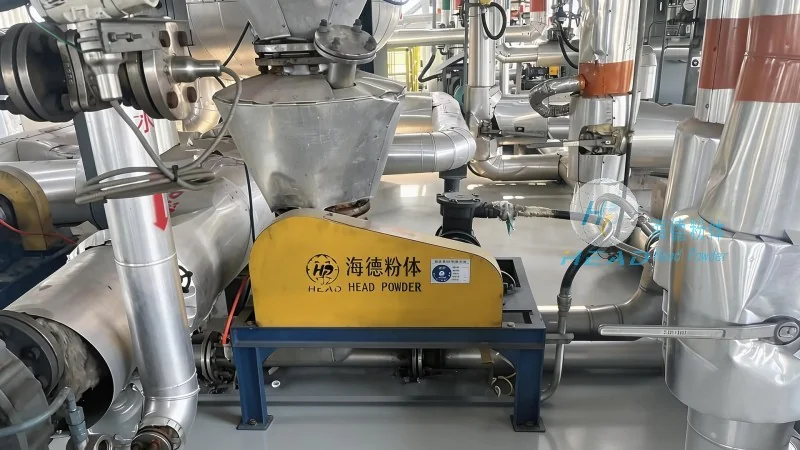
Key Features of Biomass Powder Pneumatic Conveying Systems
The design of biomass powder pneumatic conveying equipment focuses on several critical aspects to ensure effective and safe material transport. These systems are engineered to handle the unique properties of biomass powders, such as varying particle sizes, moisture content, and flow characteristics. A primary feature is the use of positive pressure or negative pressure conveying methods, which are selected based on the specific material and operational requirements. The system typically includes a hopper for material storage, a feeder to control the flow rate, a conveyor pipe network, and a dust collection system to maintain air quality and prevent environmental contamination.

Components and Their Functions
Each component of the biomass powder pneumatic conveying system plays a vital role in the overall operation. The material hopper is designed to store bulk biomass powder and feed it to the system continuously. The feeder, often a rotary valve or a screw feeder, regulates the flow rate to match the conveying capacity of the system. The conveyor pipes are made from materials resistant to corrosion and abrasion, such as stainless steel or high-density polyethylene, to withstand the abrasive nature of biomass particles. The air compressor or vacuum pump provides the necessary pressure or suction to move the powder through the pipes. Finally, the dust collection system, including filters and cyclones, captures fine particles and returns clean air to the environment, ensuring compliance with environmental regulations.
Application in Industrial Processes
Biomass powder pneumatic conveying systems are widely used in various industrial applications, including biomass power generation, biofuel production, and agricultural processing. In biomass power plants, these systems efficiently transport raw biomass materials from storage to the combustion chamber, ensuring a steady and controlled fuel supply. In biofuel facilities, they handle feedstocks like wood chips or pellets, facilitating the transition from raw material to processed fuel. Additionally, in agricultural processing, they assist in the transport of biomass residues, such as straw or sawdust, for further processing or recycling. The versatility of these systems makes them suitable for a range of applications where traditional mechanical conveying methods may be less effective or efficient.

Engineering Solutions by Shandong HeadPowder Engineering Co., Ltd.
Shandong HeadPowder Engineering Co., Ltd. leverages years of experience in engineering and manufacturing to provide customized pneumatic conveying solutions for biomass powder applications. The company's team of experts works closely with clients to understand their specific operational needs, material characteristics, and environmental constraints. By integrating advanced design software and rigorous testing protocols, HeadPowder ensures that each system is optimized for maximum efficiency, minimal maintenance, and long-term reliability. The company's commitment to quality and innovation has made it a trusted partner in the development of sustainable biomass processing technologies, helping clients achieve their production goals while adhering to industry standards and environmental regulations.