

Design of a Pneumatic Conveying System for White Carbon Black Powder
White carbon black, also known as fumed silica, is a critical industrial material widely used in various sectors such as rubber, plastics, and coatings. The efficient and reliable transportation of white carbon black powder is essential for maintaining production efficiency and product quality. This article introduces the design of a specialized pneumatic conveying system tailored for the handling of white carbon black powder, developed by Shandong HeadPowder Engineering Co., Ltd., a leading manufacturer in the field.
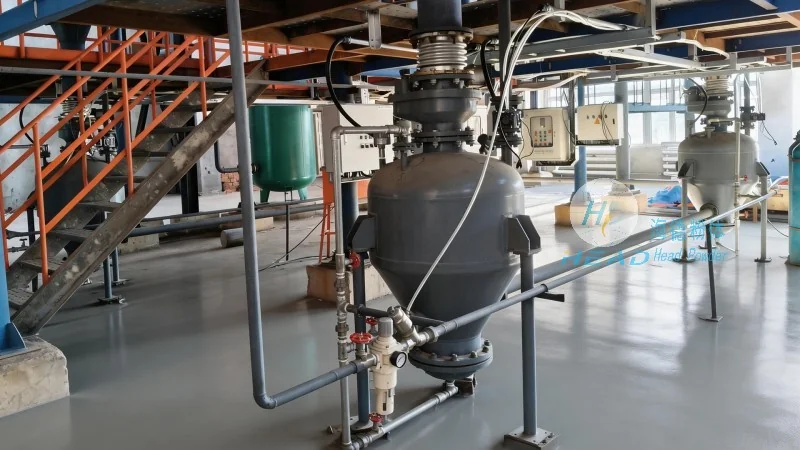
Key Design Considerations for White Carbon Black Powder Pneumatic Conveying
The design of a pneumatic conveying system for white carbon black powder involves several critical considerations to ensure optimal performance and safety. First, the material's properties, including its particle size, density, and flowability, must be carefully analyzed. White carbon black particles are typically fine and can exhibit cohesive behavior, which may affect the conveying process. The system must be designed to handle these characteristics without causing blockages or degradation of the material. Additionally, the choice of air flow rate, pressure, and pipeline configuration is crucial. High-pressure systems are often preferred for fine powders to maintain a stable flow and prevent particle segregation. The pipeline material selection is also important; materials like stainless steel or special coatings are used to prevent corrosion and material adhesion.

Components of the Pneumatic Conveying System
The pneumatic conveying system for white carbon black powder consists of several key components that work together to ensure efficient material transport. The primary components include a feeding unit, a conveying pipeline, a pressure vessel or receiver, and a control system. The feeding unit is designed to handle the white carbon black powder from the storage silo, ensuring a consistent and controlled feed rate. This unit often includes a rotary valve or a screw feeder to prevent material buildup and maintain a steady flow. The conveying pipeline is typically made of stainless steel or plastic, with appropriate fittings and elbows to minimize pressure loss and maintain the material's integrity. The pressure vessel or receiver is used to collect the conveyed white carbon black powder and may include a dust collection system to ensure environmental compliance. The control system monitors and regulates the air flow, pressure, and feed rate, ensuring the system operates within safe and efficient parameters.
Advantages of the Pneumatic Conveying System
The pneumatic conveying system for white carbon black powder offers several advantages over traditional methods such as belt conveyors or bucket elevators. One of the main advantages is the ability to transport the material in a closed system, which prevents dust contamination and improves workplace safety. This is particularly important for white carbon black powder, which can be a respiratory hazard if inhaled. The closed system also helps maintain the material's quality by preventing exposure to moisture or other contaminants. Another advantage is the flexibility of the system, which can be easily integrated into existing production lines or expanded to accommodate increased production demands. The system is also relatively low maintenance compared to other conveying methods, as it has fewer moving parts and requires less frequent cleaning. Additionally, the pneumatic conveying system can handle a wide range of particle sizes and flow rates, making it suitable for various applications in the rubber, plastics, and coatings industries.
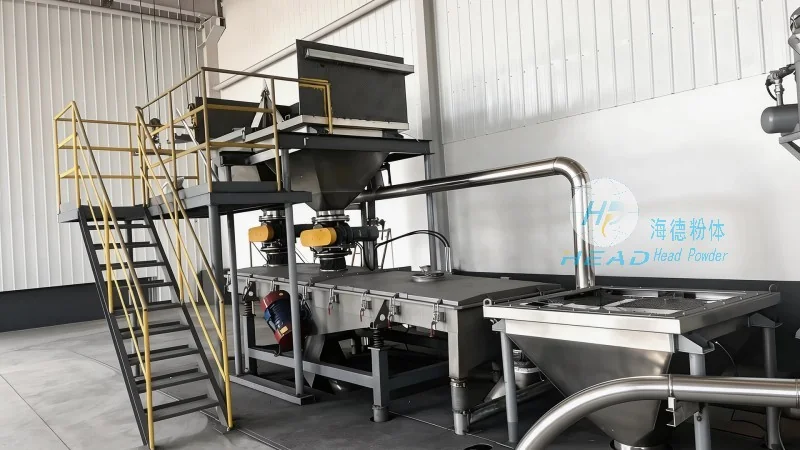
Application Examples and Case Studies
The pneumatic conveying system for white carbon black powder has been successfully implemented in various industrial applications. For example, in a rubber manufacturing plant, the system was used to transport white carbon black from storage silos to mixing equipment. The system was designed to handle a flow rate of 10 tons per hour and operated at a pressure of 0.6 MPa. The system demonstrated high efficiency and reliability, with minimal downtime and material loss. In another application, the system was used in a plastic production facility to convey white carbon black to extrusion machines. The system was integrated with the existing production line and required minimal modifications. The results showed that the system improved production efficiency by reducing material handling time and minimizing waste. These case studies highlight the effectiveness of the pneumatic conveying system in improving production efficiency and product quality.