

Positive Pressure vs. Negative Pressure Conveying of Pharmaceutical Powders: A Comparative Analysis
Pharmaceutical powder handling is a critical aspect of modern manufacturing, where the safe and efficient transfer of powders is essential to maintain product quality and regulatory compliance. Among the various methods available, positive pressure and negative pressure conveying systems stand out as two primary approaches. This article provides a detailed comparison of these two techniques, highlighting their mechanisms, advantages, disadvantages, and practical applications in the pharmaceutical industry. The insights shared here are based on the expertise of Shandong HeadPowder Engineering Co., Ltd., a leading provider of pharmaceutical processing solutions.

Introduction to Pharmaceutical Powder Conveying Systems
In the pharmaceutical sector, the handling of powders requires meticulous attention to prevent contamination, ensure product integrity, and comply with stringent industry standards. Conveying systems are integral to this process, enabling the movement of powders from storage to processing units without compromising their quality. Two widely used methods are positive pressure conveying and negative pressure conveying, each with distinct operational principles and suitability for different applications.
Understanding Positive Pressure Conveying
Positive pressure conveying operates by forcing air or a carrier gas through the material to be transported. The system uses a positive pressure differential, where the pressure inside the conveying line is higher than the ambient pressure. This method is often referred to as "blown" or "pressure-fed" conveying. The primary mechanism involves a blower or compressor that generates the necessary pressure to move the powder particles through the pipeline. The air flows continuously, carrying the powder along the path of least resistance. This approach is particularly effective for conveying powders that are free-flowing and non-abrasive, as it minimizes the risk of material degradation or clogging.
Key advantages of positive pressure conveying include its ability to handle a wide range of powder types, including fine powders and those with high moisture content. The system is also relatively simple to install and maintain, as it does not require complex vacuum equipment. Additionally, positive pressure systems can be easily integrated with other processing equipment, such as mixers and granulators, due to their straightforward operation. However, a significant drawback is the potential for product contamination, as the air used in the system may introduce foreign particles or moisture. Moreover, the high pressure required can lead to increased energy consumption and higher operational costs.
Understanding Negative Pressure Conveying
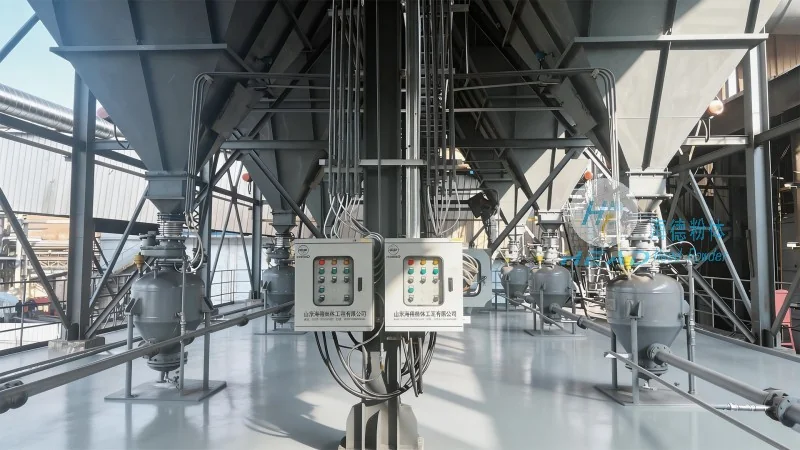
Negative pressure conveying, also known as "suction" or "vacuum" conveying, works by creating a vacuum within the conveying line, which draws the powder from the source into the system. The pressure inside the line is lower than the ambient pressure, causing the powder to be pulled along the pipeline. This method is particularly suitable for handling powders that are cohesive or have poor flow characteristics, as the vacuum helps to break up agglomerates and improve material flow. The system typically uses a vacuum pump to generate the necessary suction force, and the air flow is directed back to the source or a filtration unit.
One of the main advantages of negative pressure conveying is its ability to handle powders with high moisture content or those that are hygroscopic, as the vacuum reduces the risk of moisture absorption. The system is also effective for conveying powders over longer distances, as the vacuum can maintain a consistent flow rate. However, negative pressure systems are more prone to clogging and material degradation due to the abrasive nature of the vacuum process. Additionally, the high suction rates can lead to increased energy consumption and higher maintenance costs, as the vacuum pump requires regular cleaning and maintenance to prevent particle buildup.
Comparative Analysis of Positive and Negative Pressure Conveying
When comparing positive and negative pressure conveying, several factors must be considered to determine the most suitable method for a given application. The choice between the two often depends on the physical properties of the powder, such as particle size, moisture content, and flowability, as well as the operational requirements of the manufacturing process. For example, positive pressure conveying is generally preferred for free-flowing powders with low moisture content, as it minimizes the risk of clogging and provides a stable flow. In contrast, negative pressure conveying is more suitable for cohesive or hygroscopic powders, as the vacuum helps to improve material flow and prevent moisture absorption.

From an energy consumption perspective, positive pressure systems typically require less energy than negative pressure systems, as they operate at lower pressures. However, negative pressure systems may be more cost-effective for long-distance conveying, as the vacuum can maintain a consistent flow rate over extended pipelines. Another critical factor is the risk of product contamination, which is higher in positive pressure systems due to the introduction of air. Negative pressure systems, on the other hand, are more effective at preventing contamination, as the vacuum draws the powder into the system without exposing it to ambient air.
Applications in Pharmaceutical Manufacturing
Both positive and negative pressure conveying systems are widely used in pharmaceutical manufacturing for various applications. Positive pressure conveying is commonly used in the transfer of raw materials, such as active pharmaceutical ingredients (APIs) and excipients, from storage silos to processing units. It is also used in the conveying of finished products, such as tablets and capsules, from packaging lines to storage areas. Negative pressure conveying is often employed in the handling of powders that are sensitive to moisture or air, such as antibiotics and vaccines. It is also used in the transfer of powders from mixing and granulation equipment to drying and milling units.
Key Considerations for System Selection
When selecting a conveying system for pharmaceutical applications, several factors must be taken into account to ensure optimal performance and compliance with industry standards. The first consideration is the physical properties of the powder, including particle size, moisture content, and flowability. The second factor is the distance and height of the conveying line, as this affects the pressure or suction required. The third consideration is the risk of product contamination, which is a critical issue in pharmaceutical manufacturing. Additionally, the system's ability to handle variations in material flow, such as changes in bulk density or moisture content, must be considered.
Another important factor is the maintenance and operational costs of the system. Positive pressure systems are generally easier to maintain and operate, as they do not require complex vacuum equipment. However, they may require more frequent cleaning to prevent particle buildup. Negative pressure systems, on the other hand, require more regular maintenance to prevent clogging and ensure consistent performance. The choice of system also depends on the specific regulatory requirements of the pharmaceutical industry, as different applications may have varying standards for product purity and safety.
Conclusion
In conclusion, both positive and negative pressure conveying systems offer effective solutions for the handling of pharmaceutical powders, each with its own advantages and limitations. The selection of the most appropriate method depends on the specific requirements of the manufacturing process, including the physical properties of the powder, the distance and height of the conveying line, and the risk of product contamination. By understanding the mechanisms and characteristics of each system, manufacturers can make informed decisions to ensure efficient, safe, and compliant powder handling in pharmaceutical production.