

The Role of Pneumatic Conveying in Soybean Transportation
Pneumatic conveying systems have become a cornerstone in the agricultural and food processing industries, particularly for the efficient transportation of bulk materials like soybeans. As a key component in supply chain logistics, these systems offer significant advantages over traditional methods such as belt conveyors or bucket elevators. The technology involves transporting solid materials in a fluidized state using air or other gases, enabling seamless movement from storage to processing facilities. For soybean producers and processors, understanding the capabilities and benefits of pneumatic conveying is crucial for optimizing operational efficiency and maintaining product quality.

Key Advantages of Pneumatic Conveying in Soybean Transportation
One of the primary benefits of pneumatic conveying for soybean handling is its ability to handle a wide range of particle sizes and moisture contents without causing damage to the beans. Unlike mechanical systems that may crush or break the beans, pneumatic systems use low-pressure air to gently move the material, preserving the integrity of the product. This is especially important for soybeans, which are often used in food applications where texture and quality are critical. Additionally, pneumatic conveying systems can operate in both positive and negative pressure modes, allowing for flexible integration into existing production lines. Positive pressure systems push material through the pipeline, while negative pressure systems draw it in, providing versatility in layout and design.
Components and Design of Pneumatic Conveying Systems for Soybeans
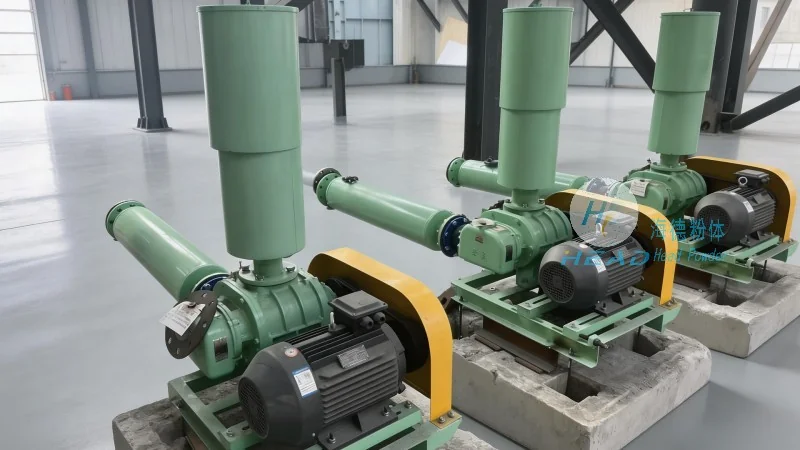
The effectiveness of a pneumatic conveying system for soybeans depends on several key components, each tailored to handle the specific characteristics of the material. The system typically includes a hopper or feeder to feed the soybeans into the pipeline, a blower or fan to generate the air flow, and a pipeline network that transports the material to the destination. For soybeans, which are relatively light and have a high bulk density, the system design must account for these properties to ensure efficient flow. The pipeline diameter, length, and angle are all critical factors that influence the system's performance. For example, a larger diameter pipeline reduces friction losses and allows for higher material throughput, while proper angle and slope prevent material buildup or blockages. The use of flexible hoses or rigid pipes may also be considered based on the specific application and layout requirements.
Applications of Pneumatic Conveying in Soybean Processing
Pneumatic conveying systems are widely used in various stages of soybean processing, from initial handling and storage to final packaging. In storage facilities, these systems can transfer soybeans from silos or storage bins to processing lines, ensuring a continuous supply of raw material. During processing, they are used to move soybeans to grinding or milling equipment, where they are converted into products like soybean oil or soy protein. The ability to handle large volumes of material quickly and efficiently makes pneumatic conveying ideal for high-throughput processing operations. Additionally, these systems can be integrated with other processing equipment, such as separators or cleaners, to further enhance the quality of the final product. For example, a pneumatic conveyor can transport soybeans to a separator that removes impurities, ensuring that only high-quality beans are processed.
Benefits for Soybean Producers and Processors
For soybean producers and processors, implementing a pneumatic conveying system offers several tangible benefits. The most significant advantage is the reduction in labor costs and operational time. By automating the material handling process, producers can minimize the need for manual labor, which is often required in traditional systems. This not only reduces labor expenses but also improves safety by eliminating the need for workers to handle heavy or bulky materials. Additionally, pneumatic conveying systems can improve product quality by reducing the risk of contamination and damage. The gentle handling of soybeans ensures that the final product meets the required standards for food applications, which is crucial for maintaining market competitiveness. Furthermore, the flexibility of these systems allows producers to adapt to changing production needs, such as increasing or decreasing throughput, without significant modifications to the infrastructure.

Case Study: HeadPowder Engineering's Pneumatic Conveying Solutions
Shandong HeadPowder Engineering Co., Ltd. specializes in designing and manufacturing customized pneumatic conveying systems tailored to the specific needs of soybean producers and processors. With years of experience in the industry, the company has developed a range of solutions that address the unique challenges of soybean handling. For example, HeadPowder has designed systems that can handle large volumes of soybeans from storage silos to processing lines, ensuring efficient and reliable operation. The company's expertise in material flow dynamics and system design allows them to optimize the performance of the conveying system, reducing energy consumption and increasing throughput. Additionally, HeadPowder provides comprehensive support, including installation, maintenance, and training, to ensure that clients can maximize the benefits of their investment. The company's commitment to quality and customer satisfaction has made it a trusted partner for many soybean producers and processors in China.
Conclusion and Future Outlook
Pneumatic conveying systems play a vital role in the efficient transportation of soybeans, offering significant advantages over traditional methods. As the demand for soybeans continues to grow, the importance of reliable and efficient material handling systems will only increase. For producers and processors, investing in a well-designed pneumatic conveying system can lead to improved operational efficiency, reduced costs, and higher product quality. With the expertise and experience of companies like Shandong HeadPowder Engineering Co., Ltd., the adoption of advanced pneumatic conveying technology is becoming more accessible and effective. As the industry evolves, these systems will continue to play a crucial role in meeting the demands of soybean processing and ensuring the long-term success of producers and processors alike.