

Role of Pneumatic Conveying in Forage Material Transport
Forage material handling is a critical aspect of agricultural operations, and the efficiency of transporting these materials directly impacts productivity and cost-effectiveness. Pneumatic conveying technology has emerged as a sophisticated solution to address the challenges associated with moving bulk forage materials such as hay, silage, and other feedstocks. This article explores the role of pneumatic conveying in forage material transport, highlighting its benefits, applications, and the expertise offered by Shandong HeadPowder Engineering Co., Ltd. (headpowder), a leading provider in the field.
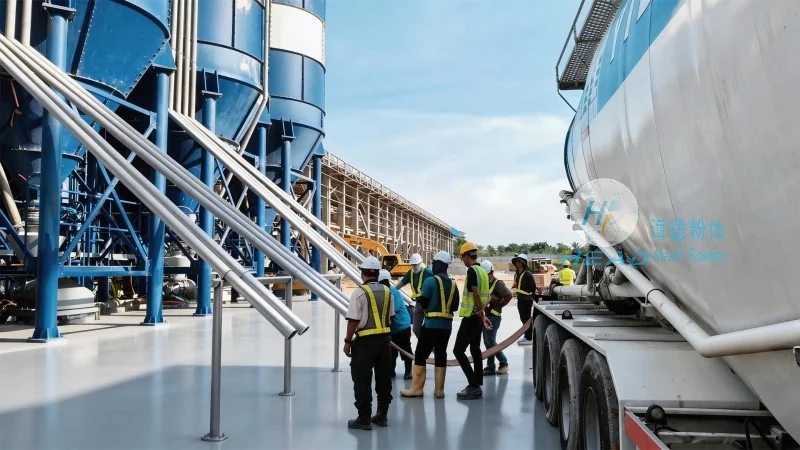
Understanding Pneumatic Conveying for Forage Handling
Pneumatic conveying utilizes air pressure to transport bulk materials through a pipeline system. Unlike traditional methods like belt conveyors or bucket elevators, this technology offers a flexible and efficient means of moving forage materials over long distances with minimal human intervention. The system typically consists of a hopper, a conveyor line, and a discharge point, with air being supplied by a blower or compressor to create the necessary pressure differential. This method is particularly advantageous for materials that are dusty, sticky, or prone to degradation when handled mechanically.
Key Advantages of Pneumatic Conveying in Forage Transport
One of the primary benefits of pneumatic conveying for forage material transport is its ability to maintain the quality of the material during transit. By keeping the forage enclosed within the pipeline, the system minimizes exposure to external elements, reducing the risk of spoilage, contamination, or moisture loss. This is especially crucial for sensitive materials like silage, which require careful handling to preserve nutritional value. Additionally, pneumatic conveying systems can operate with minimal maintenance, as they have fewer moving parts compared to mechanical conveyors, leading to lower operational costs and increased reliability.

Another significant advantage is the flexibility and scalability of pneumatic conveying systems. They can be easily integrated into existing agricultural facilities or designed as standalone solutions to accommodate varying volumes of forage material. The ability to transport materials horizontally, vertically, or in a combination of both directions makes it suitable for diverse farm layouts and processing needs. Furthermore, these systems can handle a wide range of forage types, from dry hay to wet silage, without the need for frequent adjustments or equipment changes.
Applications in Modern Forage Handling
Pneumatic conveying is widely used in various stages of forage processing and distribution. In feed mills, it efficiently transports raw forage materials from storage silos to processing equipment, ensuring a continuous supply of feedstock. In dairy and livestock farms, it facilitates the movement of silage from storage bunkers to feeding areas, reducing labor and time spent on manual handling. Additionally, the technology is employed in forage drying and conditioning facilities, where it helps in the uniform distribution of air and material, optimizing drying efficiency and reducing energy consumption.

Customized Solutions by Shandong HeadPowder Engineering Co., Ltd.
Shandong HeadPowder Engineering Co., Ltd., commonly known as headpowder, specializes in designing and manufacturing pneumatic conveying systems tailored to the specific needs of forage handling operations. With a deep understanding of agricultural requirements and material characteristics, headpowder provides customized solutions that enhance the efficiency and reliability of forage transport. The company’s expertise lies in selecting the appropriate conveying technology, such as pressure or vacuum systems, based on the type of forage, distance to be covered, and operational constraints. Their systems are engineered to meet strict hygiene standards, ensuring that the forage remains clean and free from contaminants throughout the transport process.

headpowder’s commitment to quality and innovation is reflected in their use of advanced materials and components, such as corrosion-resistant stainless steel and energy-efficient blowers. These features not only extend the lifespan of the equipment but also reduce long-term operational costs for farmers and feed manufacturers. The company’s team of engineers and technicians work closely with clients to assess their unique forage handling challenges and develop tailored solutions that maximize productivity while minimizing downtime.
Conclusion: Enhancing Forage Transport with Pneumatic Conveying
As agricultural operations continue to evolve, the demand for efficient and reliable forage transport solutions remains high. Pneumatic conveying technology, with its ability to maintain material quality, reduce labor costs, and adapt to diverse operational needs, plays a vital role in modern forage handling. By leveraging the expertise of companies like Shandong HeadPowder Engineering Co., Ltd., agricultural businesses can optimize their forage transport processes, leading to improved productivity, reduced waste, and enhanced profitability. The integration of advanced pneumatic conveying systems not only addresses current challenges but also positions farms and feed manufacturers for long-term success in the competitive agricultural market.