

Classification and Application Analysis of Sodium Nitrate Pneumatic Conveying Systems
HeadPowder, a leading enterprise in the field of material handling and processing, specializes in the design, manufacturing, and implementation of advanced pneumatic conveying systems, particularly for sodium nitrate. This article provides a comprehensive overview of the classification of these systems and their practical applications, highlighting the technical considerations and operational benefits for industries that handle this critical chemical.

Classification of Sodium Nitrate Pneumatic Conveying Systems
When it comes to transporting sodium nitrate—a widely used chemical in agriculture, food preservation, and industrial processes—pneumatic conveying systems offer efficient, safe, and reliable solutions. These systems can be broadly categorized based on the pressure and flow characteristics they employ. The primary classifications include:
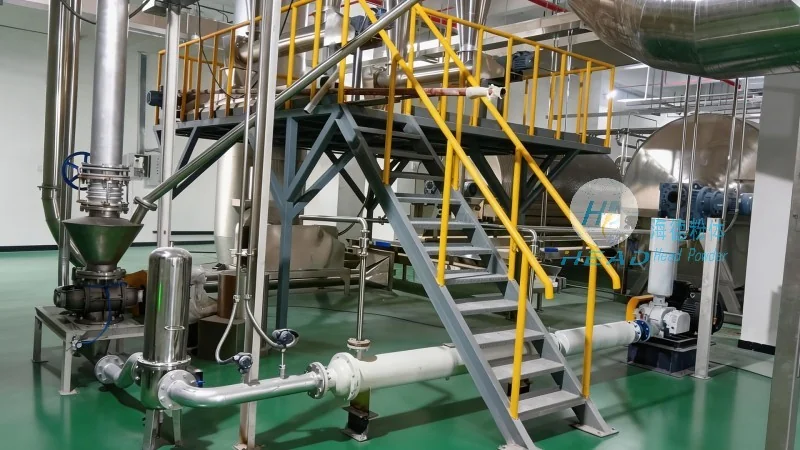
- Positive Pressure Systems: These systems use compressed air to push the material through the conveying line. They are suitable for long-distance and high-capacity transport, as the air pressure maintains the material's flow. Positive pressure systems are often preferred for sodium nitrate due to their ability to handle abrasive materials and prevent dust contamination.
- Negative Pressure (Vacuum) Systems: In these systems, a vacuum is created to draw the material into the conveying line. They are ideal for short-distance transport and for applications where dust control is paramount, as the material is drawn into the system rather than being expelled. However, they may have limitations in terms of distance and capacity compared to positive pressure systems.
- Combination (Closed Loop) Systems: These systems integrate both positive and negative pressure components, allowing for flexible operation. They can be used for both loading and unloading operations, making them versatile for complex material handling scenarios. For sodium nitrate, combination systems provide a balanced approach to efficiency and safety.
Key Technical Considerations for Sodium Nitrate Conveying
Transporting sodium nitrate requires careful consideration of several technical factors to ensure system longevity and operational safety. The chemical's properties, such as its hygroscopic nature and potential for dust generation, influence the design of the conveying system. Key considerations include:

- Material Compatibility: The conveying components, including pipes, valves, and pumps, must be made of materials resistant to sodium nitrate's corrosive effects. Stainless steel and specialized polymers are commonly used to prevent degradation and ensure the system's durability.
- Dust Control and Explosion Prevention: Sodium nitrate is a fine powder that can create dust clouds, which pose explosion risks. Advanced filtration systems and explosion-proof designs are essential to maintain safety standards. The system design incorporates features like spark detection and suppression to mitigate these hazards.
- Temperature Management: Sodium nitrate can be sensitive to temperature fluctuations, which may affect its flow characteristics. Proper temperature control within the conveying line helps maintain consistent material behavior and prevents clogging or blockages.
Applications of Sodium Nitrate Pneumatic Conveying Systems
The versatility of pneumatic conveying systems makes them suitable for a wide range of applications involving sodium nitrate. Industries that benefit from these systems include:
- Agricultural Sector: In fertilizer production, sodium nitrate is used as a nitrogen source. Pneumatic conveying systems efficiently transport raw materials and finished products, ensuring smooth operations in fertilizer plants. The systems help maintain product quality by minimizing exposure to moisture and contaminants.
- Food and Beverage Industry: Sodium nitrate is used as a preservative in processed meats and other food products. The hygienic design of pneumatic conveying systems is crucial here, as they must meet strict food safety regulations. The systems prevent cross-contamination and ensure the safe handling of food-grade materials.
- Industrial Manufacturing: In chemical and pharmaceutical industries, sodium nitrate is used as a reagent or raw material. Pneumatic conveying systems enable the precise and controlled transport of these materials, supporting high-purity production processes. The systems' ability to handle fine powders without degradation is particularly valuable in these applications.
Operational Benefits and Performance Metrics
Implementing a pneumatic conveying system for sodium nitrate offers several operational advantages. These benefits include:

- Increased Efficiency and Throughput: Pneumatic systems can transport materials at high speeds and over long distances, reducing downtime and increasing production capacity. This is particularly important for industries with high-volume sodium nitrate requirements.
- Improved Safety and Environmental Protection: By containing the material within a sealed system, pneumatic conveying reduces dust emissions and minimizes the risk of accidents. This aligns with environmental regulations and enhances workplace safety.
- Reduced Maintenance Costs: Advanced materials and robust designs of the conveying components lead to lower maintenance requirements. The systems are engineered for long-term reliability, minimizing the need for frequent repairs and replacements.
Conclusion
HeadPowder Engineering Co., Ltd., based in Shandong, China, specializes in providing tailored pneumatic conveying solutions for sodium nitrate applications. By understanding the classification of these systems and addressing key technical considerations, industries can optimize their material handling processes. The efficient and safe transport of sodium nitrate through pneumatic systems not only enhances operational performance but also ensures compliance with safety and environmental standards. With years of experience and a commitment to quality, HeadPowder continues to deliver innovative solutions that meet the evolving needs of its clients.