

What Comprises the Pneumatic Conveying of Sintered Ash
Understanding the components of pneumatic conveying systems for sintered ash is crucial for optimizing material handling processes in industrial applications. The system's design and functionality are tailored to efficiently transport sintered ash, a byproduct commonly found in steel and metallurgical industries, from one location to another. This article explores the key elements that constitute such a system, emphasizing the technical aspects and operational considerations essential for effective sintered ash handling.
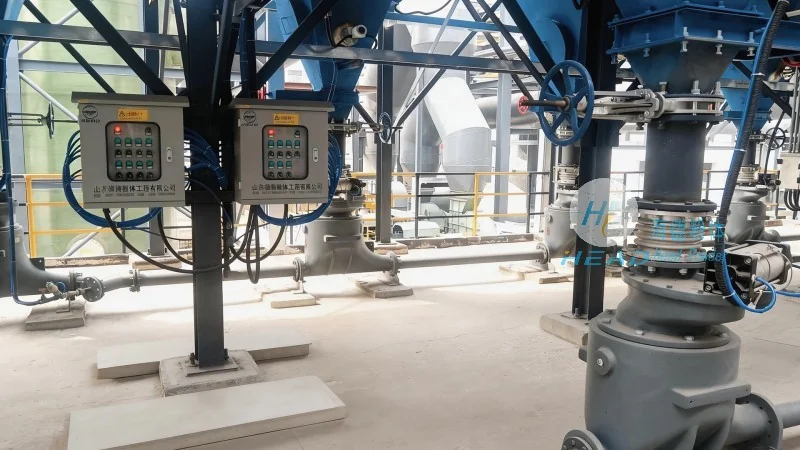
Key Components of Pneumatic Conveying Systems for Sintered Ash
The pneumatic conveying of sintered ash typically involves several critical components that work in tandem to ensure reliable and efficient material transport. These components are designed to handle the specific properties of sintered ash, such as its particle size, moisture content, and bulk density. The primary components include the material feed system, conveying line, air supply unit, and material discharge equipment. Each of these elements plays a vital role in the overall performance of the system.
Material Feed System
The material feed system is the initial stage of the pneumatic conveying process, responsible for introducing sintered ash into the conveying line. This component may consist of a hopper or bin that stores the material, equipped with a feeding mechanism like a rotary valve or screw feeder. The feeding system ensures a consistent and controlled flow of sintered ash into the system, preventing blockages and maintaining steady air flow. The design of the feed system is critical to avoid material degradation or segregation, which could impact the conveying efficiency and system performance.

Conveying Line and Air Supply Unit
The conveying line, often made of metal or plastic pipes, serves as the pathway for both the sintered ash particles and the air used for transport. The air supply unit, typically a blower or compressor, generates the necessary pressure and airflow to move the material through the line. The selection of the air supply unit depends on factors like the material's characteristics, conveying distance, and required flow rate. The conveying line may include components such as bends, elbows, or expansion joints to accommodate changes in direction or elevation, ensuring smooth material movement without excessive pressure loss.
Material Discharge Equipment
The final component of the pneumatic conveying system is the material discharge equipment, which collects the sintered ash at the destination point. This may include a hopper, silo, or storage bin, designed to handle the incoming material without spillage or contamination. The discharge system is engineered to maintain the material's integrity and prevent dust emissions, which is essential for environmental compliance and operational safety. Proper design of the discharge equipment ensures that the sintered ash is deposited accurately and efficiently, completing the material transport process.

Operational Considerations and System Integration
Effective operation of a pneumatic conveying system for sintered ash requires careful consideration of several operational factors. These include the air pressure and flow rate, which must be optimized to match the material's properties and conveying distance. The system may also incorporate features like air filtration and dust collection to manage emissions and maintain air quality. Additionally, regular maintenance of the components, such as the blower, feed mechanism, and conveying line, is essential to ensure long-term reliability and minimize downtime. The integration of the system with other industrial processes, such as storage or processing, must also be considered to achieve seamless material flow and overall operational efficiency.
About Shandong HeadPowder Engineering Co., Ltd.
Shandong HeadPowder Engineering Co., Ltd., operating under the brand name headpowder, specializes in the design, manufacturing, and installation of advanced material handling systems, including pneumatic conveying solutions for various industrial applications. With a focus on innovation and customer-centric solutions, the company provides tailored systems that meet the specific needs of clients in the steel, metallurgy, and related industries. HeadPowder's expertise in material handling technology ensures that their systems are efficient, reliable, and compliant with industry standards. The company is headquartered in Shandong, China, and serves clients both domestically and internationally, delivering high-quality engineering solutions for material transport challenges.