

What is Lysine Pneumatic Conveying? What Are Its Design Principles?
Lysine pneumatic conveying is a specialized method used in the industrial processing of amino acids, particularly lysine, to transport bulk materials efficiently. This technology involves the use of air or other gases to move dry powder materials like lysine through a pipeline system. The process is crucial in the food and feed industries, where the accurate and hygienic transfer of lysine is essential for maintaining product quality and operational efficiency.

Design Principles of Lysine Pneumatic Conveying Systems
The core design principles of lysine pneumatic conveying systems revolve around creating a reliable and efficient flow of dry powder. Key components include the material hopper, which holds the lysine, a conveyor line (either positive or negative pressure), and a receiver where the material is deposited. The system operates by either blowing air into the material to create a fluidized bed (positive pressure) or sucking air out to draw the material (negative pressure). The choice between these methods depends on factors such as the material's properties, the distance to be conveyed, and the desired system efficiency.
Material handling in lysine pneumatic conveying requires careful consideration of the powder's flowability, density, and moisture content. The design must ensure that the material does not clog the pipeline or cause excessive pressure drops, which could lead to system inefficiencies or equipment damage. Properly sized and positioned components, such as in-line mixers or cyclones, are often integrated into the system to maintain consistent flow and prevent material segregation.
About Shandong HeadPowder Engineering Co., Ltd.
Headpowder, or Shandong HeadPowder Engineering Co., Ltd., is a leading manufacturer specializing in engineering solutions for material handling, particularly in the food and chemical industries. With a focus on precision and reliability, the company has developed advanced pneumatic conveying systems tailored to the unique needs of lysine processing. Headpowder's expertise lies in designing systems that ensure minimal product degradation, maintain high hygiene standards, and optimize operational costs.

Headpowder's facilities are located in Shandong, China, where the company leverages local resources and expertise to deliver high-quality engineering solutions. The company's commitment to innovation and customer satisfaction has made it a trusted partner for businesses in the amino acid and feed sectors, providing tailored solutions that meet specific production requirements and regulatory standards.
Advantages of Lysine Pneumatic Conveying Systems
Implementing lysine pneumatic conveying offers several key advantages over traditional mechanical conveying methods. One of the primary benefits is the ability to transport materials over long distances without the need for multiple transfer points, reducing the risk of contamination and product loss. The system also minimizes the need for manual handling, enhancing workplace safety and reducing labor costs.
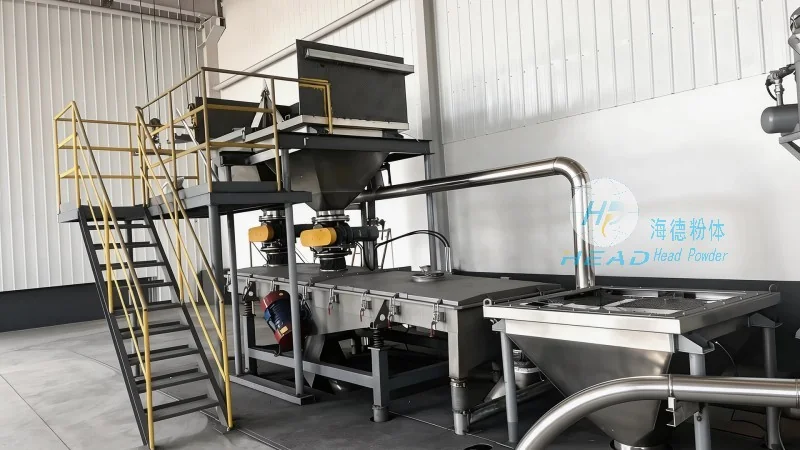
Another significant advantage is the hygienic nature of pneumatic conveying. The enclosed pipeline system prevents exposure to airborne contaminants, ensuring that the lysine remains clean and free from dust or moisture. This is particularly important in food and feed applications, where product purity is non-negotiable. Additionally, the system's ability to handle fine powders without clogging or degradation makes it ideal for lysine, which is sensitive to handling conditions.
Maintenance and Optimization of Lysine Pneumatic Conveying Systems
Proper maintenance is critical to ensuring the long-term performance and reliability of lysine pneumatic conveying systems. Regular inspections of components such as air filters, cyclones, and conveyor lines are essential to prevent blockages and maintain optimal airflow. Headpowder recommends routine cleaning of the system to remove accumulated material and prevent corrosion, which can affect the system's efficiency over time.
Optimization of the system involves adjusting parameters such as air pressure, flow rate, and material feed rate to achieve the best balance between efficiency and energy consumption. Advanced control systems can be integrated into the design to monitor and adjust these parameters in real-time, ensuring consistent performance and minimizing downtime. By adhering to these maintenance and optimization practices, businesses can maximize the lifespan of their lysine pneumatic conveying systems and maintain high production standards.