

What is Aggregate Pneumatic Conveying? And What Are Its Design Principles?
Aggregate pneumatic conveying is a technology used to transport bulk materials like aggregates, powders, and granules through a pipeline using air or gas as the conveying medium. This method offers a flexible and efficient solution for material handling in various industrial applications, from construction sites to manufacturing facilities. Understanding the fundamentals of this technology and its design principles is crucial for optimizing system performance and ensuring reliable operation.

Understanding Aggregate Pneumatic Conveying
At its core, aggregate pneumatic conveying involves the movement of solid particles through a sealed pipeline by introducing air or gas under pressure. The system typically consists of a hopper to store the material, a conveyor line, and a receiver to collect the conveyed material. The air flow creates a low-pressure zone that draws the material into the pipeline, where it is carried to the destination. This process eliminates the need for mechanical components like belts or buckets, reducing maintenance and increasing safety in the workplace.
Key Design Principles for Pneumatic Conveying Systems
The effectiveness of an aggregate pneumatic conveying system depends on several critical design principles. First, the selection of the appropriate conveying velocity is essential. The velocity must be high enough to keep the material in suspension but not so high that it causes excessive wear on the pipeline or increases energy consumption. Engineers often use the "critical velocity" concept, which is the minimum velocity required to keep particles suspended in the air stream. This velocity is influenced by factors such as particle size, density, and shape.
Second, the system's pressure and flow rate must be carefully controlled. Positive pressure systems, where air is pushed through the pipeline, are commonly used for short to medium distances and high material loads. Negative pressure systems, where air is drawn through the pipeline, are suitable for longer distances and applications where dust control is a priority. The pressure drop across the system is another critical parameter, as it determines the energy required to operate the system and the overall efficiency.

Components and Their Roles in Pneumatic Conveying
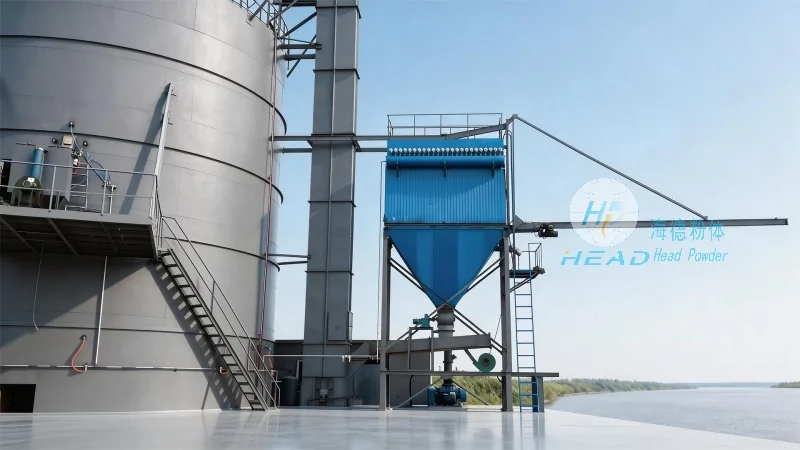
Several key components are integral to the operation of an aggregate pneumatic conveying system. The hopper or feeder is responsible for feeding the material into the system at a consistent rate, preventing blockages and ensuring smooth flow. The conveyor line, typically made of metal or plastic, must be able to withstand the pressure and abrasion from the material being conveyed. The air compressor or blower provides the necessary air pressure, and the control valves regulate the flow of air and material. The receiver or silo collects the material at the end of the conveyor line, often equipped with a dust collection system to prevent environmental contamination.
Applications of Aggregate Pneumatic Conveying
Aggregate pneumatic conveying is widely used in industries such as construction, mining, and manufacturing. In construction, it is used to transport sand, gravel, and cement to job sites, reducing the need for heavy machinery and improving material handling efficiency. In mining, it is employed to transport ore and other minerals from processing plants to storage facilities. In manufacturing, it is used to convey raw materials like powders and granules to production lines, ensuring a continuous and controlled supply of materials.
Advantages of Pneumatic Conveying Over Traditional Methods
Compared to traditional material handling methods like belt conveyors or trucks, aggregate pneumatic conveying offers several advantages. One of the most significant benefits is the reduction in labor costs, as the system can operate continuously without the need for manual intervention. Additionally, it minimizes material loss and contamination, as the material is contained within a sealed pipeline. The system also reduces the risk of accidents, as there are no moving parts exposed to the operator. Furthermore, it can handle a wide range of materials, including those that are dusty or hazardous, making it suitable for applications where safety is a top priority.
Challenges and Solutions in Pneumatic Conveying
Despite its advantages, aggregate pneumatic conveying systems face several challenges. One of the main issues is the potential for material buildup or blockages in the pipeline, which can cause system downtime. This problem is often addressed by using cleaning devices such as air cannons or vibrators to clear the pipeline. Another challenge is the high energy consumption of the system, especially for long-distance conveying. To mitigate this, engineers may use energy-efficient air compressors and optimize the system's design to reduce pressure drop. Additionally, the system may experience wear and tear from abrasive materials, requiring regular maintenance and replacement of components.
HeadPowder's Expertise in Pneumatic Conveying Systems
Shandong HeadPowder Engineering Co., Ltd. is a leading provider of aggregate pneumatic conveying systems, with years of experience in designing and manufacturing high-quality equipment for industrial applications. The company specializes in customizing systems to meet the specific needs of its clients, ensuring optimal performance and reliability. HeadPowder's team of engineers uses advanced design software and rigorous testing to develop systems that are efficient, durable, and cost-effective. The company's commitment to quality and customer satisfaction has made it a trusted partner for businesses in the construction, mining, and manufacturing industries.