

What Are Grain Silo Pneumatic Conveying Equipment? And What Are Their Design Principles?
Grain silo pneumatic conveying equipment is a critical component in modern grain storage and handling systems. These systems are designed to efficiently transport bulk materials like grains, cereals, and other agricultural products within a silo or between different storage facilities. The technology behind these systems leverages the principles of air movement to move materials without the need for mechanical components like belts or buckets, offering advantages in terms of hygiene, maintenance, and operational flexibility. As a leading manufacturer in the industry, Shandong HeadPowder Engineering Co., Ltd. specializes in developing and supplying high-quality pneumatic conveying solutions tailored to the specific needs of grain storage operations.
Key Components of Pneumatic Conveying Systems
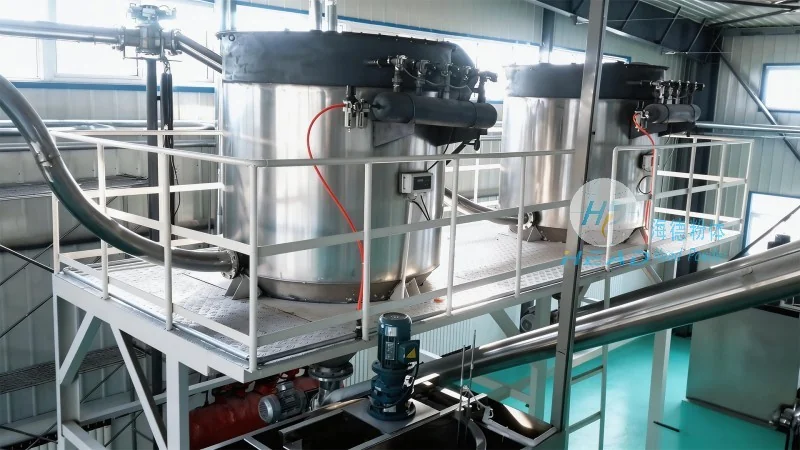
At the core of any pneumatic conveying system are several key components that work in tandem to ensure efficient material transport. The primary components include the hopper or feed point, where the material is introduced into the system; the conveying line, which can be either positive or negative pressure depending on the application; the air mover, such as a blower or fan, that provides the necessary air flow; and the discharge point, where the material is deposited. Additionally, systems may include filters, cyclones, and dust collectors to maintain air quality and prevent material loss. The design of these components is crucial for optimizing performance and minimizing operational costs.

Design Principles and Operational Mechanics
The design of grain silo pneumatic conveying equipment is guided by several fundamental principles to ensure reliable and efficient operation. One of the most important principles is the balance between air velocity and material velocity. The air velocity must be sufficient to lift and transport the material particles without causing excessive wear on the system components. This is typically achieved by calculating the appropriate air volume and pressure based on the material's properties, such as particle size, density, and moisture content. Another critical design consideration is the system's pressure drop, which is the resistance to airflow caused by the conveying line and components. Minimizing pressure drop is essential to reduce energy consumption and ensure consistent material flow. The system's layout, including the length and diameter of the conveying line, the number of bends, and the placement of components, all play a role in determining the overall efficiency and effectiveness of the equipment.

Advantages of Pneumatic Conveying in Grain Storage
Compared to traditional mechanical conveying methods, pneumatic conveying offers several distinct advantages in grain storage applications. One of the most significant benefits is the ability to maintain a clean and hygienic environment, as the system operates without direct contact between the material and mechanical parts. This reduces the risk of contamination and makes the equipment suitable for handling food-grade products. Additionally, pneumatic systems are more flexible in terms of layout, allowing for horizontal, vertical, or mixed-direction transport, which can be adapted to the specific geometry of a grain silo. The absence of moving parts also leads to lower maintenance requirements and longer service life, resulting in reduced operational costs over time. Furthermore, the ability to control the flow rate and pressure allows for precise material handling, which is essential for maintaining inventory levels and preventing overfilling or underfilling of silos.
Customization and Application Flexibility
Shandong HeadPowder Engineering Co., Ltd. recognizes that each grain storage facility has unique requirements, and therefore, offers customized pneumatic conveying solutions to meet specific operational needs. The company's engineers work closely with clients to assess their storage capacity, material characteristics, and operational goals to design a system that maximizes efficiency and minimizes downtime. Customization options may include varying the size and material of the conveying line, selecting appropriate air movers based on the required air volume and pressure, and integrating additional components such as filters or cyclones to address specific environmental or regulatory requirements. The flexibility of pneumatic conveying systems also allows for easy integration with existing storage infrastructure, making them a cost-effective upgrade for facilities looking to improve their material handling capabilities.
Maintenance and Longevity of Pneumatic Conveying Equipment
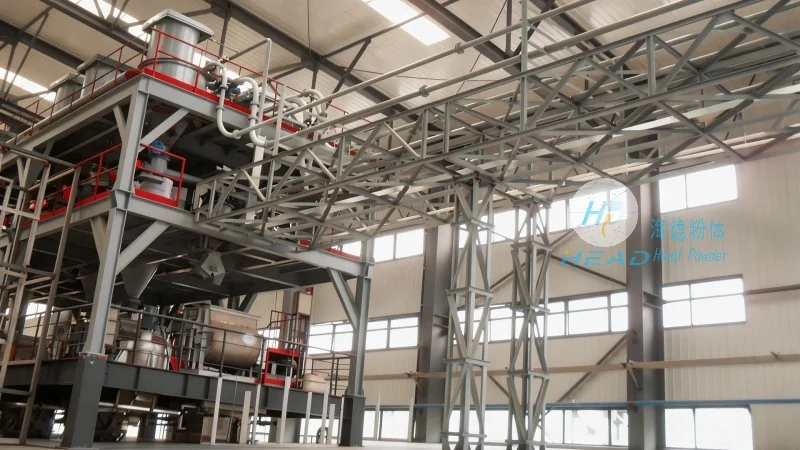
Proper maintenance is essential to ensure the long-term performance and reliability of grain silo pneumatic conveying equipment. Regular inspections of the air mover, conveying line, and discharge components are necessary to identify and address any issues before they lead to system failure. Filters and dust collectors should be cleaned or replaced as needed to maintain optimal air quality and prevent material buildup. The system's components, such as the hopper and feed point, should be checked for wear and tear, and any damaged parts should be replaced promptly to avoid material loss or system inefficiency. Shandong HeadPowder Engineering Co., Ltd. provides comprehensive maintenance services and spare parts to support its clients, ensuring that their equipment operates at peak performance throughout its service life. By adhering to a regular maintenance schedule, facilities can extend the lifespan of their pneumatic conveying systems and reduce the risk of unexpected downtime.