

What is the Pneumatic Conveying Equipment for Aluminum Dross? Design Principles Explained
Aluminum dross, a byproduct of aluminum production processes, poses significant challenges in handling and transportation due to its abrasive and variable particle characteristics. The pneumatic conveying equipment for aluminum dross is a specialized system engineered to efficiently transport this material from one location to another while maintaining operational efficiency and equipment longevity. This article delves into the fundamental aspects of such equipment, focusing on its design principles and practical applications.

Understanding Aluminum Dross and Its Handling Requirements
Aluminum dross is a mixture of aluminum, oxide, and other impurities that forms during the melting and casting stages of aluminum production. Its properties, including particle size distribution, moisture content, and chemical composition, can vary widely, making conventional handling methods ineffective. Traditional methods like bucket elevators or belt conveyors often suffer from material buildup, blockages, and equipment wear due to the abrasive nature of aluminum dross. To address these challenges, pneumatic conveying systems offer a more reliable and flexible solution. These systems utilize air or gas to transport the material through a pipeline, minimizing direct contact between the material and equipment components.
The Core Design Principles of Pneumatic Conveying Equipment for Aluminum Dross
The design of pneumatic conveying equipment for aluminum dross is guided by several key principles aimed at optimizing performance, durability, and operational safety. First, the system must accommodate the variable properties of aluminum dross, ensuring consistent flow and preventing blockages. This is achieved through the use of appropriate air velocity and pressure settings, which are tailored to the specific characteristics of the material being conveyed. Second, the equipment must be constructed from materials resistant to corrosion and wear, as aluminum dross can be highly abrasive. Common materials include stainless steel, special alloys, and wear-resistant coatings to extend the lifespan of components like pipelines, valves, and pumps.
Third, the system incorporates advanced control mechanisms to regulate air flow, pressure, and material feed rate. This allows for precise control over the conveying process, preventing overloading or underloading of the system. Additionally, the design includes features to handle variations in material density and moisture content, ensuring stable operation under different conditions. The integration of these principles results in a robust and efficient system capable of handling aluminum dross with minimal maintenance and operational downtime.

Key Components and Their Functions in the Pneumatic Conveying System
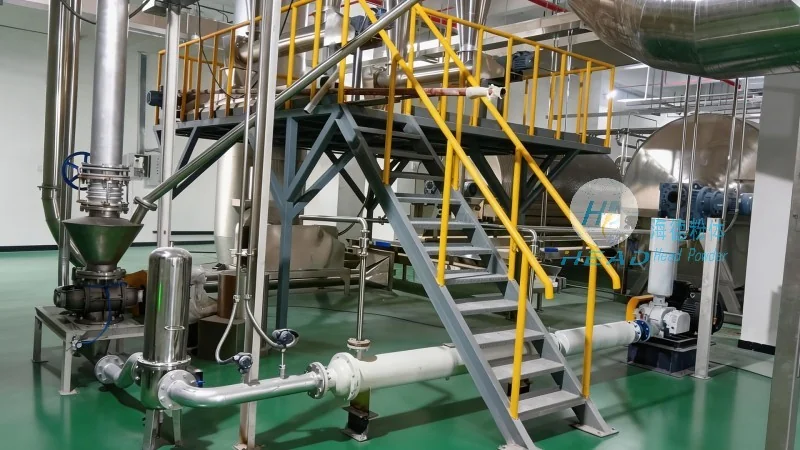
A typical pneumatic conveying system for aluminum dross consists of several critical components, each playing a vital role in the overall operation. The primary components include a material feeder, a blower or compressor, a conveying pipeline, and a receiver or discharge unit. The material feeder is responsible for introducing aluminum dross into the system at a controlled rate, ensuring a consistent flow of material. It is designed to handle the variable properties of aluminum dross, such as different particle sizes and moisture levels, without causing blockages or uneven feeding.
The blower or compressor provides the necessary air pressure and volume to move the material through the pipeline. The choice of equipment depends on the system's capacity and the material's characteristics. High-pressure blowers are often used for short-distance conveying, while low-pressure systems are suitable for longer distances. The conveying pipeline is typically made of stainless steel or other corrosion-resistant materials to withstand the abrasive nature of aluminum dross. It is designed with smooth interior surfaces to minimize friction and prevent material buildup.
The receiver or discharge unit is where the aluminum dross is collected after being conveyed through the pipeline. It is equipped with a discharge valve and a dust collection system to prevent material loss and ensure a clean operation. The receiver may also include a hopper or silo to store the material temporarily before further processing. Each component is carefully selected and integrated to ensure the system operates efficiently and reliably, minimizing downtime and maintenance costs.
Advantages of Using Pneumatic Conveying Equipment for Aluminum Dross
Implementing a pneumatic conveying system for aluminum dross offers several advantages over traditional handling methods. One of the most significant benefits is the reduction in equipment wear and maintenance costs. By minimizing direct contact between the material and equipment components, the system extends the lifespan of pipelines, valves, and other parts. This leads to lower operational costs and increased productivity over time. Additionally, pneumatic conveying systems are more flexible and adaptable to changes in material properties or production requirements. They can be easily scaled up or down to accommodate varying production volumes, making them suitable for both small-scale and large-scale aluminum production facilities.
Another advantage is the improved safety and environmental performance of the system. By transporting aluminum dross through a closed pipeline, the system reduces dust emissions and minimizes the risk of material exposure to workers. This enhances workplace safety and compliance with environmental regulations. Furthermore, the system can be integrated with dust collection and filtration systems to further reduce emissions and ensure a clean operation. These advantages make pneumatic conveying equipment an attractive solution for aluminum dross handling, offering a balance of efficiency, durability, and environmental responsibility.
Conclusion: The Role of Pneumatic Conveying Equipment in Aluminum Dross Management
In conclusion, the pneumatic conveying equipment for aluminum dross is a critical component in modern aluminum production facilities, designed to efficiently handle the challenges posed by this abrasive byproduct. The system's design principles, including material compatibility, control mechanisms, and robust construction, ensure reliable and consistent operation. By leveraging advanced technology and engineering, such systems provide a cost-effective and sustainable solution for aluminum dross transportation. As aluminum production continues to grow, the importance of efficient dross handling will only increase, making pneumatic conveying equipment a vital investment for manufacturers seeking to optimize their operations and reduce costs.