

What is an Adjustable Weighing Powder Conveying System? What Are Its Design Principles?
For industries dealing with bulk powders, the efficient and accurate handling of materials is crucial. The adjustable weighing powder conveying system is a specialized equipment designed to address these needs, offering precise control over the flow and measurement of powders during transportation. This article explores the functionality and design principles behind such systems, highlighting their importance in modern industrial applications. Developed by Shandong HeadPowder Engineering Co., Ltd., a leading manufacturer in the field, this system combines advanced technology with robust engineering to meet the demanding requirements of various industries.

Understanding the Adjustable Weighing Powder Conveying System
The adjustable weighing powder conveying system is engineered to combine the functions of material conveying and weighing in a single unit. It is particularly valuable in processes where consistent material flow and accurate dosage are critical, such as in pharmaceutical manufacturing, food processing, and chemical production. The system typically integrates a conveyor mechanism with a load cell or other weighing sensors, enabling real-time measurement of the material being transported.
Key Components and Their Roles
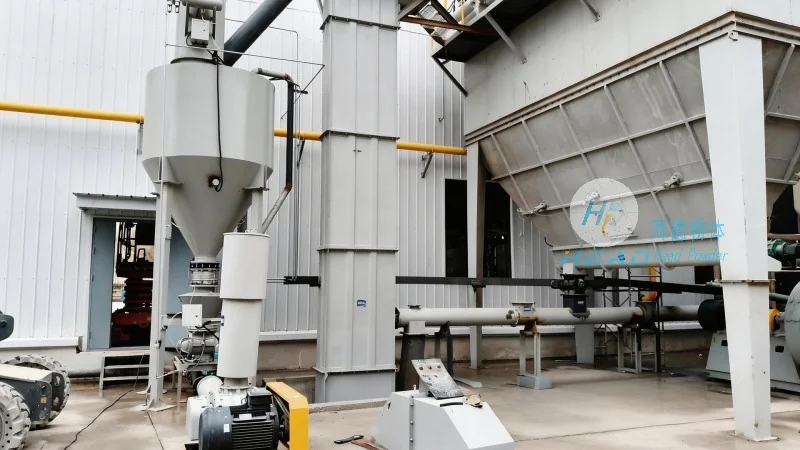
Several key components work together to ensure the system operates effectively. The conveyor section, often equipped with a screw or belt mechanism, transports the powder from the source to the destination. The weighing module, which may include load cells, strain gauges, or other sensors, measures the weight of the material as it moves through the system. A control unit processes the data from the weighing sensors and adjusts the conveyor speed or other parameters to maintain the desired flow rate and weight. Additionally, the system may include a hopper or storage container to hold the powder before it is conveyed, ensuring a steady supply of material.

Design Principles for Precision and Reliability
The design of an adjustable weighing powder conveying system emphasizes precision, reliability, and adaptability. Engineers focus on minimizing errors in weighing and conveying, which are critical for maintaining product quality and process efficiency. The system's adjustable nature allows operators to modify the flow rate based on specific requirements, such as varying batch sizes or production rates. This flexibility is achieved through advanced control algorithms that integrate feedback from the weighing sensors to regulate the conveyor speed dynamically.
Application in Industrial Settings
These systems are widely used in various industrial sectors where the handling of powders is essential. In pharmaceutical manufacturing, for example, the system ensures that the exact amount of active ingredients is delivered to the production line, meeting stringent quality standards. In food processing, it helps maintain consistent ingredient ratios, which is vital for product uniformity and safety. Similarly, in chemical industries, the system aids in the precise measurement and transport of raw materials, preventing over or under-dosing that could affect product performance.
Advantages of the Adjustable Weighing Powder Conveying System
Implementing an adjustable weighing powder conveying system offers several advantages. First, it enhances process efficiency by integrating weighing and conveying functions, reducing the need for separate equipment and streamlining operations. Second, the real-time monitoring and adjustment capabilities minimize material waste and improve product consistency. Third, the system's adaptability allows it to handle a wide range of powder types and flow rates, making it versatile for different applications. Finally, the use of advanced sensors and control systems ensures high accuracy and reliability, which are essential for meeting industry standards and regulatory requirements.
Conclusion
In conclusion, the adjustable weighing powder conveying system is a sophisticated piece of equipment that plays a vital role in modern industrial processes. Its design principles focus on precision, reliability, and adaptability, enabling efficient and accurate handling of bulk powders. By integrating weighing and conveying functions, this system helps industries maintain product quality, improve operational efficiency, and meet regulatory standards. As demand for precise material handling grows, such systems will continue to be essential in various sectors, supporting the advancement of industrial production.