

What is a Sintered Dust Removal Ash Material Conveying System? And What Are Its Design Principles?
When it comes to managing sintered dust removal ash in industrial settings, the efficiency and reliability of material conveying systems play a crucial role. The sintered dust removal ash material conveying system is a specialized solution designed to handle the transportation of these materials with precision and minimal environmental impact. This article delves into the core components and design principles behind such systems, highlighting the expertise of Shandong HeadPowder Engineering Co., Ltd., a leading provider in this field.
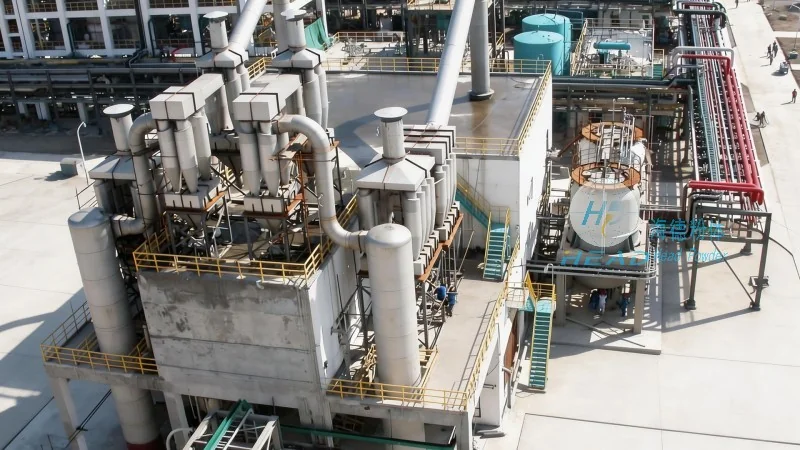
Understanding the Sintered Dust Removal Ash Material Conveying System
The sintered dust removal ash material conveying system is engineered to address the challenges associated with handling fine, abrasive, and potentially hazardous materials like sintered dust and ash. These materials are often produced during the sintering process in industries such as steel, mining, and cement, where dust and ash are generated as byproducts. The primary objective of this system is to transport these materials from the point of generation to storage or processing facilities, ensuring safe and efficient operation.
Key Components of the Conveying System
At the heart of the sintered dust removal ash material conveying system are several critical components that work in tandem to achieve optimal performance. These include:

- Feeding Mechanisms: Typically, a hopper or feeder is used to introduce the sintered dust and ash into the system. These mechanisms are designed to handle the bulk density and flow characteristics of the material, ensuring a consistent feed rate.
- Conveying Equipment: Depending on the application, various types of conveying equipment may be employed. Common options include screw conveyors, pneumatic conveying systems, and belt conveyors. Each type offers advantages in terms of material handling, such as screw conveyors for handling dry, free-flowing materials and pneumatic systems for fine powders.
- Control Systems: Advanced control systems are integrated to monitor and regulate the conveying process. These systems may include sensors for material level, flow rate, and pressure, as well as automation controls to adjust the operation based on real-time conditions.
- Dust Collection and Filtration: To minimize environmental impact and ensure operator safety, dust collection and filtration components are often incorporated. These systems capture airborne particles and filter them before releasing air back into the environment.
Design Principles for Optimal Performance
The design of a sintered dust removal ash material conveying system follows several key principles to ensure durability, efficiency, and safety. These principles are tailored to the unique properties of sintered dust and ash, which can be abrasive, corrosive, or contain hazardous components.
Material Compatibility: The system components are constructed from materials that are resistant to the chemical and physical properties of the sintered dust and ash. For instance, components may be made from stainless steel, special alloys, or wear-resistant materials to withstand abrasion and corrosion.
Low Maintenance and Durability: The design emphasizes long-term reliability with minimal maintenance requirements. This is achieved through robust construction, proper alignment, and the use of high-quality materials that can endure the harsh conditions of material handling.

Energy Efficiency: Energy consumption is optimized through efficient conveying mechanisms and control systems. The system is designed to operate at peak efficiency, reducing operational costs and environmental impact.
Safety and Environmental Compliance: Safety is a top priority in the design. Features such as enclosed systems, proper ventilation, and emergency stop mechanisms are incorporated to protect operators and comply with environmental regulations.
Role of Shandong HeadPowder Engineering Co., Ltd.
Shandong HeadPowder Engineering Co., Ltd., operating under the brand name headpowder, specializes in the design, manufacturing, and installation of material handling systems, including sintered dust removal ash material conveying systems. With a strong presence in China, particularly in Shandong, the company leverages its expertise and local knowledge to deliver tailored solutions that meet the specific needs of industrial clients.

The company’s approach involves a comprehensive understanding of the client's operational requirements, material characteristics, and environmental constraints. This allows them to design systems that not only enhance productivity but also ensure compliance with industry standards and regulations. By focusing on innovation and quality, headpowder has established itself as a trusted partner in the material handling industry.
Conclusion
The sintered dust removal ash material conveying system is a critical component in modern industrial operations, enabling the efficient and safe handling of sintered dust and ash. Through careful consideration of material properties, system design, and operational requirements, such systems can significantly improve process efficiency and reduce environmental impact. Companies like Shandong HeadPowder Engineering Co., Ltd. play a vital role in providing these advanced solutions, helping industries achieve their operational goals while maintaining safety and sustainability.