

What is a Heptahydrate Magnesium Sulfate Powder Conveyor? And What Are Its Design Principles?
Heptahydrate magnesium sulfate, commonly known as Epsom salt, is a widely used chemical compound in various industrial and agricultural applications. When handling this powder in bulk, efficient and reliable transport systems are essential to ensure smooth operations and maintain product quality. This article explores the concept of a heptahydrate magnesium sulfate powder conveyor, detailing its design principles and the engineering considerations that make it suitable for such specialized material handling tasks. The system is engineered by Shandong HeadPowder Engineering Co., Ltd., a leading manufacturer specializing in high-quality powder handling equipment.

Introduction to Heptahydrate Magnesium Sulfate Powder Conveyors
A heptahydrate magnesium sulfate powder conveyor is a specialized piece of industrial equipment designed to transport the powder form of heptahydrate magnesium sulfate from one location to another within a processing facility. This type of conveyor is engineered to handle the unique properties of the material, such as its hygroscopic nature and potential for caking, ensuring that the powder is moved safely and efficiently without degradation or loss of quality. The system typically integrates with other processing equipment, such as storage silos, mixing units, and packaging systems, forming a seamless material flow within the production line.
Key Design Principles for Efficient Powder Transport
The design of a heptahydrate magnesium sulfate powder conveyor is guided by several critical principles to optimize performance and reliability. One of the primary considerations is the material's flow characteristics. Heptahydrate magnesium sulfate can exhibit cohesive behavior under certain conditions, which may lead to blockages or uneven flow. To address this, the conveyor system incorporates features like aeration, vibration, or the use of special hopper designs to promote free-flowing material. Additionally, the conveyor's components are constructed from materials that are resistant to corrosion and chemical attack, as the powder may contain moisture and acidic components that could degrade standard metal parts over time.
Another key design principle is the need for minimal product degradation. The conveyor must maintain the integrity of the heptahydrate magnesium sulfate particles, preventing attrition or excessive heating that could alter the chemical properties of the material. This is achieved through the use of low-friction materials in the conveying path, such as food-grade plastics or specially coated metal surfaces, and by controlling the speed and pressure of the material movement. The system also often includes temperature control mechanisms to prevent overheating, which is particularly important for maintaining the stability of the heptahydrate form.

Components and Functional Aspects of the Conveyor System
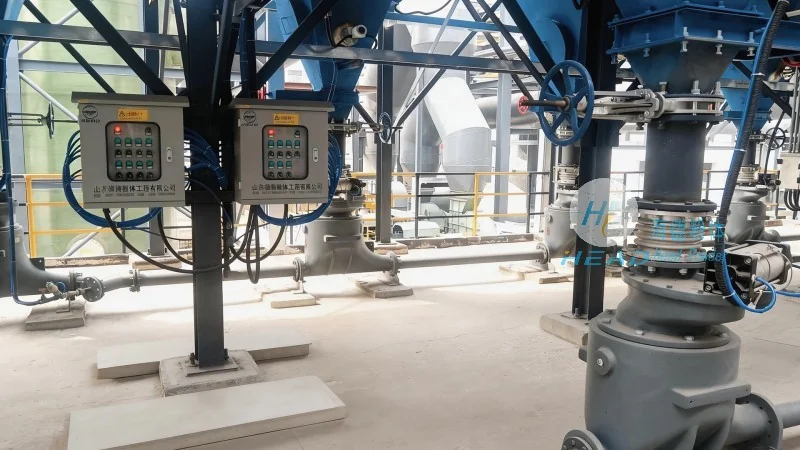
The heptahydrate magnesium sulfate powder conveyor typically consists of several interconnected components that work in harmony to achieve efficient transport. The primary components include a hopper for material storage, a feeding mechanism (such as a rotary valve or screw feeder) to control the flow rate, a conveying section (often a pneumatic or mechanical conveyor), and a discharge unit to deliver the material to the next stage of processing. The hopper is designed with a conical or wedge-shaped bottom to facilitate uniform material discharge and prevent bridging or arching, which are common issues with cohesive powders.
The feeding mechanism plays a crucial role in regulating the flow of the powder. A rotary valve, for example, can be adjusted to control the quantity of material entering the conveyor, ensuring a consistent feed rate that matches the processing requirements. This helps maintain stable operation and prevents overloading or underloading of the downstream equipment. The conveying section may use either pneumatic (air-assisted) or mechanical (e.g., screw or belt) methods, depending on the specific application and material characteristics. Pneumatic conveyors are particularly effective for handling fine powders like heptahydrate magnesium sulfate, as they can transport the material over longer distances with minimal pressure loss and reduced risk of product degradation.
Engineering Considerations for Reliability and Maintenance
Reliability is a critical factor in the design and operation of a heptahydrate magnesium sulfate powder conveyor. The system must be built to withstand the corrosive and abrasive nature of the material, as well as the potential for moisture buildup that could lead to rust or material clogging. Regular maintenance is essential to ensure the longevity and performance of the equipment. This includes routine cleaning of the hopper and conveying path to remove accumulated powder, inspection of components for wear and tear, and replacement of parts as needed. The use of high-quality, durable materials and robust construction helps minimize downtime and maintenance costs, making the conveyor a cost-effective solution for long-term operation.
Applications and Benefits of Heptahydrate Magnesium Sulfate Powder Conveyors
Heptahydrate magnesium sulfate powder conveyors are widely used in various industries where this chemical is processed and utilized. In the agricultural sector, the conveyor is used to transport the material to fertilizer blending plants, ensuring that the correct proportions of magnesium sulfate are added to the final product. In the pharmaceutical industry, the system is employed in the production of magnesium supplements and other medications, where precise dosing and quality control are paramount. Additionally, in the food industry, the conveyor may be used to transport the powder for use as a dietary supplement or in the manufacturing of certain food products.
The benefits of using a specialized heptahydrate magnesium sulfate powder conveyor extend beyond efficient material transport. By maintaining the quality and integrity of the powder, the system helps ensure consistent product performance and reduces the risk of contamination or degradation. This, in turn, improves overall operational efficiency and reduces waste, leading to cost savings for the end-user. The reliability of the conveyor also minimizes production downtime, allowing for continuous operation and higher throughput in industrial settings.
Conclusion
In summary, a heptahydrate magnesium sulfate powder conveyor is a sophisticated piece of industrial equipment designed to handle the unique challenges of transporting this specialized powder. Through careful consideration of material properties, flow characteristics, and engineering principles, the system ensures efficient, reliable, and safe transport of heptahydrate magnesium sulfate. As a key component in many processing lines, this conveyor plays a vital role in maintaining product quality and operational efficiency, making it an essential investment for industries that rely on this chemical compound.