

What is Limestone Powder Material Handling? And What Are the Design Principles?
Limestone powder material handling refers to the process of transporting and managing limestone powder, a common industrial material used in various applications such as construction, manufacturing, and environmental remediation. This process involves the movement of fine limestone particles from storage areas to processing or end-use locations, often requiring specialized equipment and systems to ensure efficiency, safety, and minimal material loss. The design principles behind limestone powder handling systems are critical for optimizing performance, reducing operational costs, and ensuring compliance with industry standards.

Understanding Limestone Powder Material Handling
Limestone powder, also known as ground limestone or calcium carbonate powder, is a fine, dry material that is widely used in industries like cement production, paper manufacturing, and water treatment. The material handling of limestone powder involves several key steps, including storage, feeding, conveying, and discharge. Each step requires careful consideration of the material's properties, such as its fineness, moisture content, and flow characteristics, to prevent issues like caking, bridging, or dust generation. Effective material handling systems for limestone powder must address these challenges to maintain consistent material flow and minimize downtime.
The Role of HeadPowder in Limestone Powder Handling Solutions
Shandong HeadPowder Engineering Co., Ltd., commonly known as HeadPowder, is a leading engineering company based in Shandong, China, specializing in the design and manufacturing of material handling solutions for limestone powder and other fine materials. With decades of experience in the industry, HeadPowder has developed a deep understanding of the unique challenges associated with limestone powder handling, such as its tendency to form clumps, create dust, and require specialized equipment to maintain flow. The company's mission is to provide innovative and reliable systems that enhance the efficiency and safety of limestone powder handling operations, helping clients achieve their production goals while minimizing operational costs.
Key Design Principles for Limestone Powder Handling Systems
The design of limestone powder handling systems is guided by several fundamental principles that ensure optimal performance and safety. First, the system must be designed to handle the material's flow characteristics, including its angle of repose and bulk density, to prevent bridging or ratholing in storage silos or hoppers. Second, the equipment must be constructed from materials that are resistant to corrosion and wear, as limestone powder can be abrasive and may contain acidic components that can degrade metal surfaces over time. Third, dust control is a critical consideration, as limestone powder is a fine particulate that can create health hazards and environmental issues if not properly contained. Effective dust suppression systems, such as sealed hoppers, air curtains, and dust collection equipment, are essential components of any limestone powder handling system.

Equipment and Components for Limestone Powder Handling
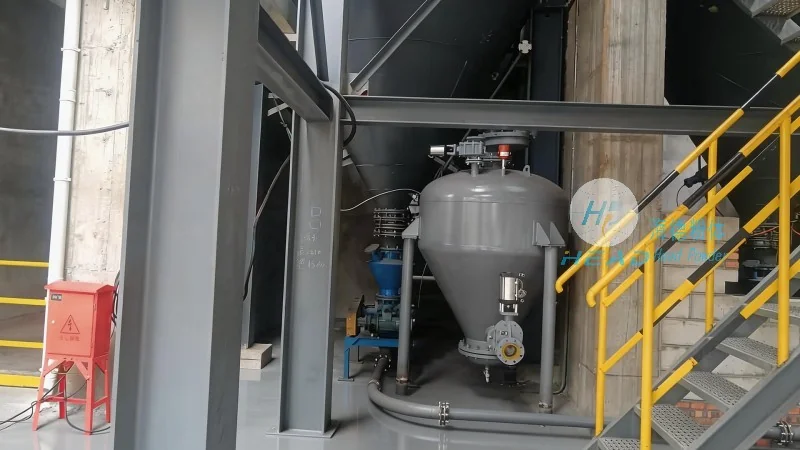
HeadPowder's limestone powder handling systems typically include a combination of equipment designed to address the specific challenges of the material. These may include bulk material storage silos or hoppers with internal agitators to prevent caking, screw conveyors or pneumatic conveying systems for material transport, and feeding equipment such as rotary valves or vibratory feeders to regulate material flow. The selection of equipment depends on factors such as the required capacity, the distance of material transport, and the specific application requirements. For example, pneumatic conveying systems are often used for long-distance transport of limestone powder, while screw conveyors are suitable for shorter distances and horizontal or slight incline transport. Each component is carefully designed and integrated to ensure seamless operation and minimal material loss.

Ensuring Safety and Compliance in Limestone Powder Handling
When handling limestone powder, safety is paramount due to the material's fine nature and potential health risks. Proper ventilation, dust collection systems, and personal protective equipment (PPE) are essential to protect workers from inhalation of dust particles. Additionally, the system must comply with local and international regulations regarding material handling, including standards for dust emissions and equipment safety. HeadPowder's systems are designed with safety features such as enclosed hoppers, explosion-proof components, and emergency shutdown mechanisms to minimize risks and ensure compliance. By prioritizing safety and regulatory compliance, HeadPowder helps its clients operate limestone powder handling facilities with confidence and peace of mind.
Conclusion: The Importance of Specialized Limestone Powder Handling
Effective limestone powder material handling is crucial for industries that rely on this material for their operations. The design principles and equipment used in these systems must be tailored to the unique properties of limestone powder to ensure efficiency, safety, and cost-effectiveness. Companies like Shandong HeadPowder Engineering Co., Ltd. play a vital role in providing specialized solutions that address the challenges of limestone powder handling, helping businesses optimize their operations and achieve their production goals. By understanding the key design principles and leveraging advanced equipment, industries can ensure the reliable and safe transport of limestone powder, supporting their overall success and sustainability.