

What is Boron Nitride Material Handling? What Are the Design Principles?
Boron nitride (BN) is a versatile ceramic material widely used in various industrial applications due to its excellent thermal stability, chemical inertness, and lubricating properties. Material handling systems that utilize boron nitride components are crucial in industries such as semiconductor manufacturing, aerospace, and high-temperature processing. Understanding the principles behind the design of these systems is essential for optimizing performance and ensuring safety in operations.
Key Components in Boron Nitride Material Handling Systems
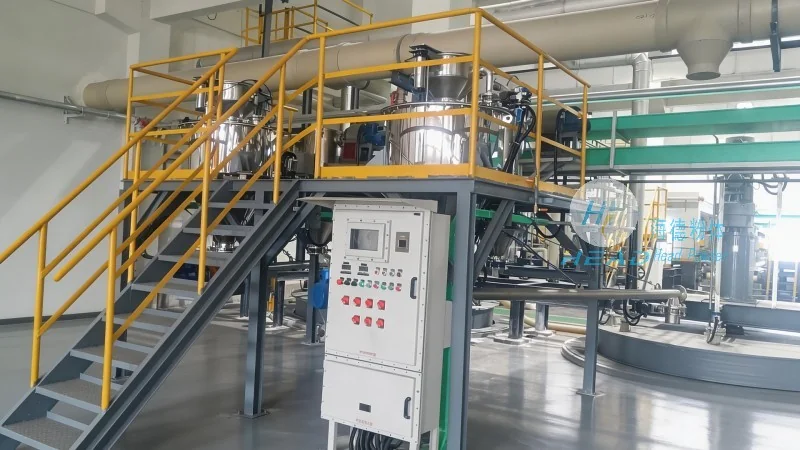
The design of boron nitride material handling systems typically involves several key components that work in tandem to facilitate efficient material transport. These components include conveyor belts, rollers, and feeding mechanisms, all of which are often lined or coated with boron nitride to reduce friction and prevent material degradation. The choice of boron nitride grade—such as hexagonal or cubic BN—depends on the specific application requirements, such as temperature resistance or mechanical strength.
Design Principles for Efficient Material Handling
Efficient material handling with boron nitride materials relies on several core design principles. First, the system must be designed to minimize friction between moving parts and the material being handled. Boron nitride's self-lubricating properties make it ideal for reducing wear and tear on components, which in turn extends the operational life of the system. Second, thermal management is a critical consideration, especially in high-temperature applications. Boron nitride's high thermal conductivity and stability at elevated temperatures allow it to maintain performance even under extreme conditions, ensuring consistent material flow.

Application-Specific Design Considerations
Designing boron nitride material handling systems requires careful consideration of the specific application. For example, in semiconductor manufacturing, where precision and cleanliness are paramount, the system must be designed to minimize particle generation and contamination. Boron nitride's non-porous structure and chemical inertness make it suitable for such environments. In aerospace applications, where weight and thermal resistance are critical, the design may prioritize lightweight boron nitride components and optimized heat dissipation mechanisms.

Advantages of Boron Nitride in Material Handling
Implementing boron nitride in material handling systems offers several advantages over traditional materials. The primary benefit is the reduction in friction, which leads to lower energy consumption and reduced maintenance costs. Additionally, boron nitride's resistance to chemical corrosion and high-temperature environments makes it suitable for harsh conditions where other materials would fail. This durability ensures that the system operates reliably over long periods, even in demanding industrial settings.
Conclusion and Company Overview
Understanding the design principles of boron nitride material handling systems is essential for optimizing industrial processes and ensuring safety and efficiency. The use of boron nitride components in these systems leverages the material's unique properties to enhance performance and longevity. As a leading provider in this field, Shandong HeadPowder Engineering Co., Ltd. specializes in developing and manufacturing high-quality boron nitride products tailored to meet the diverse needs of various industries. With a commitment to innovation and quality, HeadPowder continues to advance the application of boron nitride in material handling, contributing to the growth and efficiency of modern industrial operations.