

What is Regenerated Sand Material Handling? And What Are Its Design Principles?
Regenerated sand material handling is a critical process in various industrial applications, particularly in foundries and casting operations where the recycling of sand is essential for sustainability and cost-effectiveness. This article explores the fundamental aspects of regenerated sand material handling, including its purpose, key design principles, and the technological components that ensure efficient operation. By understanding these elements, industries can optimize their sand recycling systems, reduce waste, and enhance overall production efficiency.

Understanding Regenerated Sand and Its Handling Requirements
Regenerated sand, also known as reclaimed sand, is the sand that has been used in the casting process and then processed to remove contaminants and restore its properties. The handling of this material involves several steps, from collection and cleaning to reconditioning and reintegration into the molding process. The primary goal is to maintain the quality of the sand while minimizing the energy and resource consumption associated with its recycling. Effective material handling systems must address the challenges of sand variability, moisture content, and the presence of metal fragments or other impurities. These factors directly impact the performance of the sand in subsequent casting cycles, making the design of handling equipment crucial for consistent results.

Key Design Principles for Efficient Regenerated Sand Material Handling Systems
The design of regenerated sand material handling systems is guided by several key principles aimed at maximizing efficiency, reliability, and sustainability. First, the system must ensure consistent material flow, which is essential for maintaining uniform sand properties. This involves the use of appropriate conveyors, storage bins, and feeding mechanisms that can handle the specific characteristics of regenerated sand, such as its particle size distribution and moisture content. Second, the design should prioritize energy efficiency by minimizing the use of excessive power and optimizing the movement of materials. This includes selecting low-friction components and implementing energy recovery systems where possible. Third, the system must incorporate robust cleaning and conditioning equipment to remove contaminants and adjust the sand's moisture level to the optimal range for casting. This step is critical for preventing defects in the final cast products and ensuring the longevity of the sand's usability. Additionally, the design should allow for easy maintenance and scalability, enabling the system to adapt to changes in production volume or sand quality over time.

Components and Technologies in Regenerated Sand Handling Equipment
Modern regenerated sand material handling systems rely on a combination of advanced components and technologies to achieve optimal performance. Key components include sand conveyors, such as belt conveyors or screw conveyors, which transport the sand from collection points to processing units. Storage bins, often equipped with aeration systems, help maintain the sand's moisture balance and prevent caking. Cleaning equipment, like sand separators and magnetic separators, remove metal fragments and other contaminants. Conditioning equipment, including dryers and mixers, adjust the sand's moisture and temperature to the required levels. These components work in coordination to ensure a smooth and continuous flow of material. Technologies such as automated control systems and sensors are also integrated to monitor the process parameters in real-time, providing data for process optimization and predictive maintenance. For example, sensors can detect changes in sand moisture content or the presence of impurities, triggering adjustments to the system's operation. This level of automation not only improves efficiency but also reduces the risk of human error and downtime.
Application Scenarios and Practical Considerations in Industrial Settings
Regenerated sand material handling systems are widely used in various industrial settings, particularly in the foundry industry. They are essential for large-scale casting operations where the volume of sand used is substantial, and recycling is necessary to manage costs and environmental impact. The systems are typically integrated into existing production lines, with the regenerated sand being re-used in the molding process after processing. Practical considerations for implementing such systems include the initial investment costs, which can be significant due to the need for specialized equipment and infrastructure. However, the long-term benefits, including reduced raw material costs and lower environmental impact, often outweigh the initial expenses. Another consideration is the space requirements, as these systems can be quite large and require adequate room for conveyors, storage bins, and processing units. Additionally, the system must be compatible with the existing production processes and equipment, ensuring seamless integration without disrupting current operations. Training for operators is also important, as the proper operation and maintenance of the equipment are critical for optimal performance. Regular maintenance schedules and the use of high-quality components can extend the lifespan of the system and minimize the risk of breakdowns.
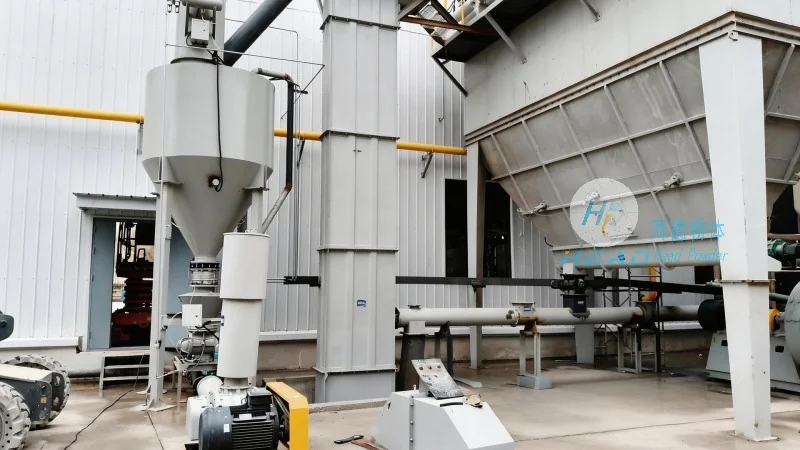
The Role of Shandong HeadPowder Engineering Co., Ltd. in Regenerated Sand Handling Solutions
Shandong HeadPowder Engineering Co., Ltd., a leading provider of engineering solutions in the material handling and processing industry, plays a significant role in the development and implementation of regenerated sand material handling systems. The company specializes in designing and manufacturing customized equipment tailored to the specific needs of its clients. With a focus on innovation and quality, HeadPowder offers a range of solutions that address the unique challenges of sand recycling in different industrial applications. The company's expertise lies in integrating advanced technologies and components into comprehensive systems that ensure efficient and reliable operation. By leveraging its experience and knowledge, HeadPowder helps industries optimize their sand recycling processes, reduce waste, and enhance overall productivity. The company's commitment to customer satisfaction and sustainable solutions makes it a trusted partner for businesses seeking to improve their material handling capabilities. Through continuous research and development, HeadPowder remains at the forefront of the industry, providing cutting-edge solutions that meet the evolving needs of modern manufacturing.