

What is a Nitrogen-Protected Material Handling System? And What Are Its Design Principles?
Understanding the role of nitrogen-protected material handling systems is crucial for industries that require the safe and efficient transport of sensitive materials. These systems are engineered to maintain an inert atmosphere, typically using nitrogen gas, to prevent oxidation, contamination, or other forms of degradation during material transfer. The design principles behind such systems are centered on creating a controlled environment that isolates the material from atmospheric elements, ensuring product integrity throughout the handling process.

Key Components and Operational Mechanisms
A nitrogen-protected material handling system typically comprises several critical components that work in concert to achieve the desired protective environment. At the core of the system is a nitrogen gas supply, which provides the inert gas needed to displace oxygen and other reactive gases from the system. This is often supplemented by gas purification equipment to ensure the nitrogen is of high purity, free from moisture or other contaminants that could compromise the material's quality. The system may also include pressure regulators and flow control valves to maintain consistent gas pressure and flow rates, which are essential for maintaining the inert atmosphere.
Material handling equipment, such as pneumatic conveyors, screw conveyors, or vacuum lifters, is integrated into the system to transport the material. These components are designed to operate within the sealed or partially sealed environment, with appropriate sealing mechanisms to prevent the ingress of air. For example, pneumatic conveyors use nitrogen to create a positive pressure within the conveying line, ensuring that the material is transported without exposure to ambient air. The design of these components must consider factors like material compatibility, pressure ratings, and the need for minimal product contact with system parts to avoid contamination.
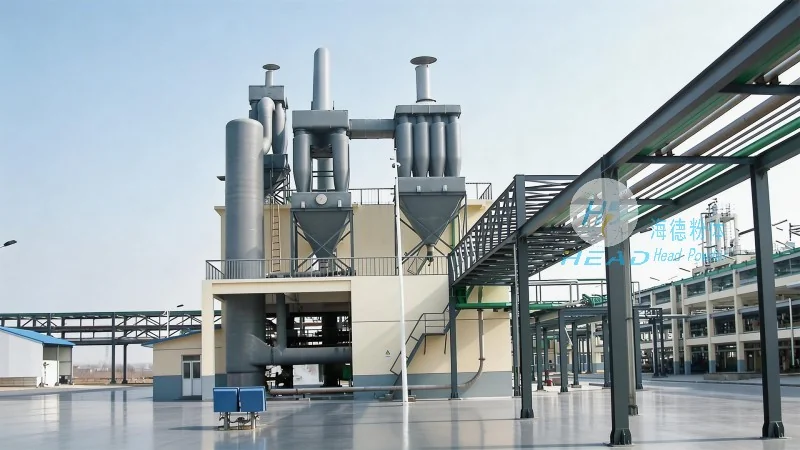
Design Principles for Maintaining Inert Atmosphere
The primary design principle of a nitrogen-protected system is to create and maintain an inert gas blanket around the material being handled. This involves careful consideration of gas flow rates, pressure differentials, and system sealing. The system must be able to detect and compensate for any leaks or pressure drops, often through automated nitrogen replenishment or pressure monitoring systems. Additionally, the system's design must account for the material's specific requirements, such as temperature sensitivity or chemical reactivity, to ensure that the inert atmosphere does not introduce new risks or degrade the material.
Sealing is another critical design aspect. All connections, joints, and access points in the system are designed to be airtight to prevent air from entering the conveying line. This may involve the use of specialized gaskets, seals, or even welded joints in certain applications. The material of construction for the system components is also important, as it must be compatible with the nitrogen environment and the material being handled. For instance, stainless steel or inert polymers are commonly used to avoid corrosion or chemical reactions that could affect the system's performance or the material's integrity.

Applications and Industries Benefiting from Nitrogen-Protected Systems
Nitrogen-protected material handling systems are widely used across various industries where material integrity is paramount. In the pharmaceutical and food industries, these systems are essential for handling powders and granules that are sensitive to moisture or oxidation, ensuring that the final product remains pure and safe for consumption. In the chemical industry, they are used to transport reactive or explosive materials, preventing accidental reactions or contamination. The semiconductor and electronics industries also rely on such systems to handle fine powders and particles that are critical for manufacturing processes, where even minor contamination can lead to defects in the final product.
The effectiveness of a nitrogen-protected system is directly tied to its ability to maintain a consistent inert atmosphere. Regular maintenance, including checks on gas purity, pressure systems, and sealing integrity, is essential to ensure long-term performance. Companies that specialize in this technology, such as Shandong HeadPowder Engineering Co., Ltd., offer comprehensive solutions that integrate design, manufacturing, and maintenance services to meet the specific needs of their clients. With a focus on precision engineering and adherence to industry standards, these systems provide reliable protection for sensitive materials throughout the handling process.