

What is a Coal and Sand Material Handling System? What are the Design Principles?
Understanding the coal and sand material handling system is crucial for optimizing industrial operations, especially in sectors dealing with bulk materials like coal and sand. This system is engineered to efficiently transport, store, and manage these materials from extraction sites to processing facilities or end-use applications. The design principles behind such systems are centered on maximizing efficiency, ensuring safety, and minimizing operational costs, all while adhering to industry standards and material-specific characteristics. Companies like Shandong HeadPowder Engineering Co., Ltd. in China specialize in developing and manufacturing these systems, tailoring solutions to meet the unique needs of various industries.

Key Components of a Coal and Sand Material Handling System
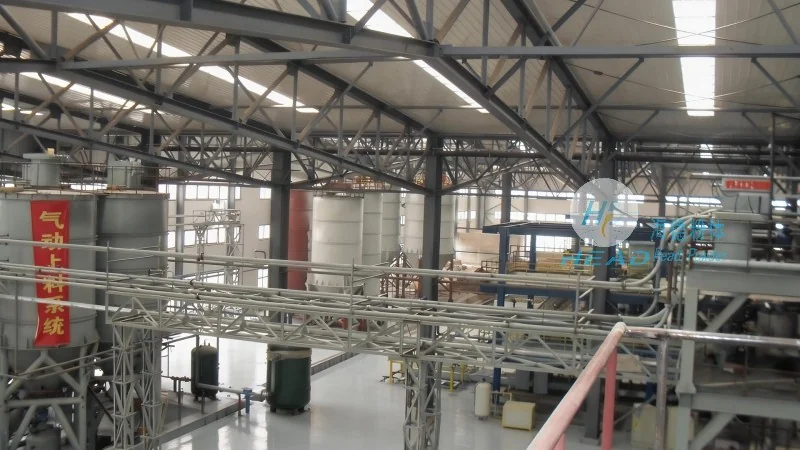
A typical coal and sand material handling system comprises several critical components that work in tandem to achieve seamless material flow. These components include feeders, conveyors, storage silos, and control systems. Feeders are responsible for evenly distributing the material into the conveyor system, preventing blockages and ensuring consistent flow rates. Conveyors, which can be belt, screw, or pneumatic types, transport the material over long distances with minimal energy consumption. Storage silos are used to temporarily hold large quantities of material, allowing for buffer storage and regulating the flow to downstream processes. Control systems integrate sensors, motors, and software to monitor and adjust the system in real-time, ensuring optimal performance and safety.

Design Principles for Efficient Material Handling
The design of a coal and sand material handling system follows several key principles to ensure reliability and efficiency. First, the system must be tailored to the specific properties of the material being handled, such as particle size, density, and moisture content. This customization ensures that the equipment can handle the material without causing degradation or damage. Second, the system should prioritize energy efficiency, as bulk material handling often involves high energy consumption. This is achieved through the selection of appropriate conveyor types, motor sizes, and system layouts that minimize energy waste. Third, safety is a paramount consideration, with features like overload protection, emergency stop mechanisms, and proper ventilation to prevent dust explosions and other hazards. Additionally, the system should be designed for ease of maintenance, with accessible components and modular designs that allow for quick repairs and upgrades.
Application Scenarios and Benefits
Coal and sand material handling systems are widely used in various industries, including mining, construction, and power generation. In mining operations, these systems are used to transport coal from underground mines to surface processing plants, where it is prepared for sale or further processing. In construction, sand and gravel are transported from quarries to building sites, where they are used as aggregates in concrete and other construction materials. In power generation, coal is transported from storage facilities to boilers for combustion, while sand is used in the production of glass and other industrial products. The benefits of implementing such systems include increased productivity, reduced labor costs, improved material quality, and enhanced safety for workers. By streamlining the material handling process, these systems enable businesses to operate more efficiently and competitively in their respective markets.
Customization and Integration with Existing Facilities
One of the significant advantages of a coal and sand material handling system is its ability to be customized to fit the specific needs of a facility. Whether it's a new construction or an upgrade to an existing system, the design can be tailored to accommodate varying material volumes, distances, and operational requirements. Integration with existing infrastructure, such as conveyor networks, storage silos, and processing equipment, is also possible, allowing for seamless transitions and minimal disruption to ongoing operations. This flexibility ensures that the system can adapt to changing business needs, such as increased production capacity or the addition of new processing lines. Furthermore, the system can be integrated with advanced technologies like automation and IoT (Internet of Things) to enhance monitoring and control capabilities, providing real-time data on system performance and enabling predictive maintenance to prevent downtime.

Conclusion: The Importance of a Well-Designed Material Handling System
In conclusion, a coal and sand material handling system is a critical component of industrial operations, designed to efficiently transport and manage bulk materials. The design principles, which prioritize material-specific adaptation, energy efficiency, safety, and ease of maintenance, ensure that the system operates reliably and cost-effectively. By understanding these principles and the key components of the system, businesses can make informed decisions when selecting or upgrading their material handling infrastructure. The benefits of implementing such a system extend beyond operational efficiency, contributing to improved safety, reduced costs, and enhanced competitiveness in the market. For companies dealing with coal and sand, investing in a well-designed material handling system is a strategic move that can significantly impact their long-term success and sustainability.