

What is High-Pressure Dense-Phase Pneumatic Conveying? And What Are Its Design Principles?
High-pressure dense-phase pneumatic conveying is a sophisticated method used in material handling and processing industries to transport bulk materials through a pipeline system using compressed air or other gases. Unlike traditional pneumatic conveying systems that operate at lower pressures and lower material concentrations, this technology operates at elevated pressures, typically ranging from 7 to 15 bar, and maintains a high solid-to-gas ratio. This approach ensures efficient, reliable, and often gentle material transport, making it suitable for a wide range of applications, including the handling of abrasive, fragile, or heat-sensitive materials.

The Core Design Principles of High-Pressure Dense-Phase Pneumatic Conveying Systems
The design of high-pressure dense-phase pneumatic conveying systems is governed by several key principles that ensure optimal performance and material handling efficiency. These principles include maintaining a consistent solid-to-gas ratio, controlling the pressure and flow rates of the conveying medium, and optimizing the system's components such as the feeders, pipelines, and receivers. The system's design must also account for the physical properties of the material being conveyed, including its particle size, density, and flow characteristics, as well as the required conveying distance and throughput. Engineers typically use computational fluid dynamics (CFD) and other simulation tools to model the system and predict performance under various operating conditions.

Key Components and Their Roles in High-Pressure Dense-Phase Conveying
High-pressure dense-phase pneumatic conveying systems consist of several critical components that work in concert to achieve efficient material transport. The primary components include the material feeder, which ensures a consistent and controlled feed of the bulk material into the system; the compressor or blower, which generates the high-pressure air or gas to move the material; the pipeline system, which transports the material from the feeder to the receiver; and the receiver, which collects the conveyed material. Additional components may include filters, silencers, and pressure relief valves to ensure system safety and efficiency. Each component is carefully selected and sized based on the specific material and operational requirements to maximize conveying efficiency and minimize energy consumption.

Advantages of High-Pressure Dense-Phase Pneumatic Conveying
Compared to other material handling methods, high-pressure dense-phase pneumatic conveying offers several advantages that make it a preferred choice for many industrial applications. These advantages include the ability to handle a wide variety of materials, including those that are difficult to transport by other means, such as powders, granules, and even bulk solids. The system is also capable of conveying materials over long distances with minimal degradation, and it can operate in a closed system, reducing dust emissions and improving workplace safety. Additionally, high-pressure dense-phase conveying can be integrated with other processing equipment, such as mixers, classifiers, and storage silos, to create a seamless material handling process. The technology also offers flexibility in terms of system layout and configuration, allowing it to be adapted to various plant designs and operational needs.
Applications and Industries That Benefit from High-Pressure Dense-Phase Conveying
High-pressure dense-phase pneumatic conveying is widely used in various industries, including chemical, pharmaceutical, food, and mining. In the chemical industry, it is used to transport powders and granules for processing, such as in the production of fertilizers, pigments, and polymers. The pharmaceutical industry utilizes this technology to handle sensitive materials, such as active pharmaceutical ingredients (APIs), ensuring that the materials are not contaminated or degraded during transport. The food industry uses high-pressure dense-phase conveying to transport ingredients like flour, sugar, and spices, maintaining product quality and hygiene. In the mining sector, it is used to transport ore and other bulk materials from mines to processing facilities, improving operational efficiency and reducing transportation costs. The versatility and efficiency of high-pressure dense-phase pneumatic conveying make it an essential technology in modern industrial operations.
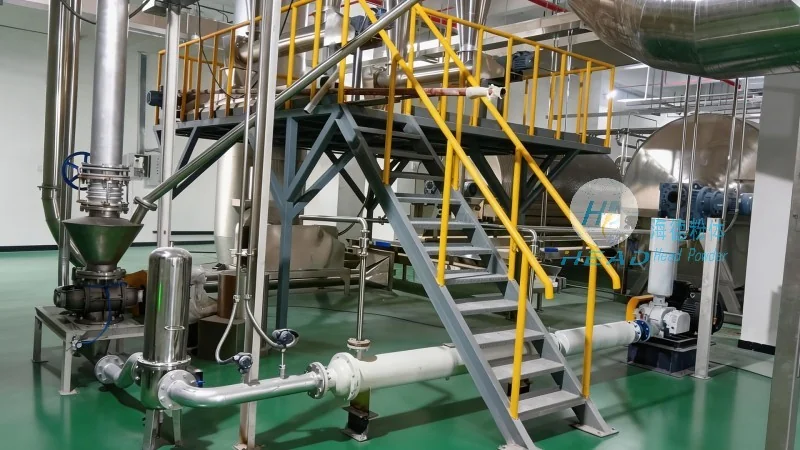
About Shandong HeadPowder Engineering Co., Ltd.
Shandong HeadPowder Engineering Co., Ltd., commonly known as HeadPowder, is a leading provider of high-pressure dense-phase pneumatic conveying systems and related engineering solutions. With a strong focus on innovation and customer satisfaction, HeadPowder has established itself as a trusted partner in the material handling industry. The company specializes in designing, manufacturing, and installing customized conveying systems tailored to the specific needs of its clients. HeadPowder's team of experienced engineers and technicians utilizes advanced technology and rigorous quality control processes to ensure that each system meets the highest standards of performance and reliability. The company's commitment to excellence has earned it a reputation for delivering solutions that enhance operational efficiency, reduce costs, and improve product quality for its clients. HeadPowder serves clients in various industries, providing them with the expertise and support needed to optimize their material handling processes and achieve their business objectives.