

What is Casting Gray Material Pneumatic Conveying? And What Are Its Design Principles?
Understanding the fundamentals of casting gray material pneumatic conveying is crucial for industries dealing with such materials. This article explores the concept of pneumatic conveying systems designed specifically for handling casting gray materials, along with the underlying design principles that ensure efficient and reliable material transport.
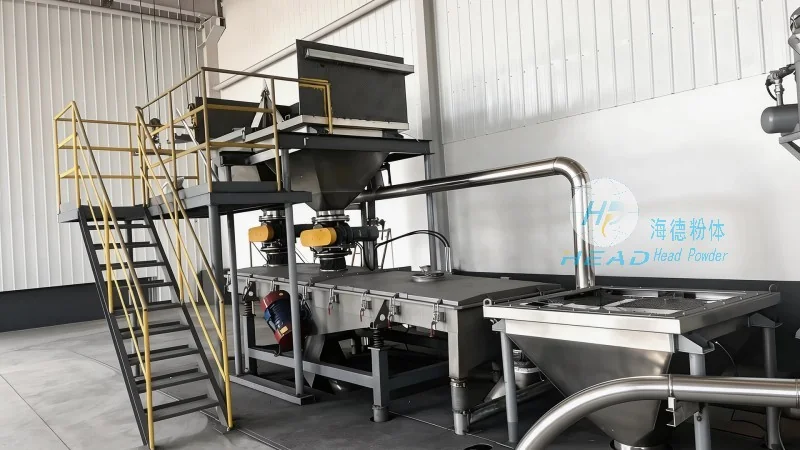
What is Casting Gray Material Pneumatic Conveying?
Casting gray material pneumatic conveying refers to the process of transporting loose, bulk materials like casting gray (a type of industrial waste or byproduct from metal casting processes) through a pipeline using a gas stream, typically air. Unlike traditional mechanical conveyors, pneumatic systems utilize pressure or vacuum to move materials, offering advantages such as flexibility in layout, reduced equipment wear, and the ability to handle materials with varying particle sizes and moisture content.
The Role of Casting Gray Material in Industrial Applications
Casting gray is a common byproduct generated during the metal casting process, often containing metal fines, slag, and other impurities. Efficient handling and transport of this material are essential for maintaining operational efficiency and environmental compliance. Pneumatic conveying systems provide a solution to move casting gray from collection points to processing or disposal facilities without the need for manual handling or complex mechanical equipment.

Key Design Principles for Casting Gray Material Pneumatic Conveying Systems
The design of a pneumatic conveying system for casting gray materials involves several critical principles to ensure optimal performance. These include:
- System Classification: Pneumatic conveying systems are typically classified as pressure or vacuum systems. Pressure systems use positive pressure to push material through the pipeline, while vacuum systems use negative pressure to pull material. The choice between these depends on factors like material properties, distance to be conveyed, and system layout.
- Material Characteristics: The physical properties of casting gray, such as particle size distribution, density, moisture content, and abrasiveness, directly impact system design. For example, fine or abrasive particles may require specialized equipment like rotary valves or cyclone separators to prevent blockages and equipment wear.
- Conveying Distance and Layout: The distance and layout of the conveying system influence the selection of equipment components, including the type of air compressor, pipeline diameter, and number of bends. Longer distances or complex layouts may necessitate multiple stages or booster fans to maintain sufficient air pressure and material velocity.
- Equipment Selection: Critical components in a casting gray pneumatic conveying system include the air compressor (or vacuum pump), material feeders (like rotary valves or star feeders), pipeline, and collection equipment (such as cyclone separators or dust collectors). Each component must be selected based on the specific requirements of the casting gray material and the operational conditions.
- Control and Safety: Proper control mechanisms, such as pressure sensors and flow meters, are essential to monitor system performance and prevent overpressure or underflow. Safety features, including explosion-proof designs for abrasive materials and emergency shut-off valves, are also integral to ensure safe operation.
Benefits of Using Pneumatic Conveying for Casting Gray Material
Implementing a pneumatic conveying system for casting gray materials offers several advantages over traditional methods. These benefits include:

- Increased Efficiency: Pneumatic systems can transport materials over long distances with minimal downtime, improving overall production efficiency.
- Reduced Labor Costs: Automated material handling reduces the need for manual labor, lowering labor costs and minimizing the risk of workplace injuries.
- Improved Safety: By eliminating manual handling of heavy or hazardous materials, pneumatic systems enhance workplace safety and reduce the risk of accidents.
- Environmental Compliance: Efficient collection and transport of casting gray help in meeting environmental regulations by preventing dust emissions and ensuring proper disposal or recycling.
- Flexibility: Pneumatic conveying systems can be easily integrated into existing industrial layouts, allowing for flexible adjustments to production changes or facility expansions.
Applications and Case Studies
Casting gray material pneumatic conveying systems are widely used in various industrial sectors, including metal casting, foundries, and recycling facilities. For instance, a foundry in Shandong, China, implemented a pressure pneumatic conveying system to transport casting gray from the casting line to a waste processing plant. The system, designed by Shandong HeadPowder Engineering Co., Ltd., successfully handled fine metal particles and reduced material handling time by 40% compared to traditional methods.
Conclusion
Casting gray material pneumatic conveying is a sophisticated and efficient method for handling bulk materials in industrial settings. By adhering to key design principles and leveraging specialized equipment, such systems ensure reliable material transport while offering significant benefits in terms of efficiency, safety, and environmental compliance. Companies like Shandong HeadPowder Engineering Co., Ltd. specialize in designing and manufacturing customized pneumatic conveying solutions tailored to the unique needs of casting gray material applications.