

Working Principle and Features of Cement Material Handling Equipment
HeadPowder, a leading manufacturer based in Shandong, China, specializes in the design and production of advanced cement material handling equipment. This article provides an in-depth look at the working principles and key features of these essential industrial machines, which are crucial for efficient material transport in cement production and processing facilities.

Understanding the Working Principle of Cement Material Handling Equipment
The core function of cement material handling equipment is to transport bulk materials, such as raw materials, clinker, and finished cement, from one location to another within a production plant. These systems typically operate based on mechanical energy, converting it into the force needed to move the material. The most common types of equipment include belt conveyors, bucket elevators, and screw conveyors, each with a distinct mechanism for material movement.
Belt conveyors, for instance, utilize a continuous loop of flat or troughed belts that are driven by pulleys. As the belt rotates, it carries the cement material along its path, allowing for horizontal, inclined, or even vertical transport. This method is highly efficient for long-distance and large-volume material transport, with minimal friction and energy consumption. Bucket elevators, on the other hand, employ a vertical or inclined chain with attached buckets that scoop up material from a lower hopper and discharge it into an upper hopper. This design is ideal for vertical lifting, ensuring that material is moved vertically with high capacity and reliability. Screw conveyors use a rotating screw within a tube to push material forward, suitable for horizontal or slight inclined transport of fine or semi-fine materials like cement powders.

Key Features of Cement Material Handling Equipment
Efficiency and reliability are paramount in cement material handling, and modern equipment from HeadPowder is engineered to deliver superior performance. One of the standout features is the high capacity and low maintenance requirements. These machines are designed to handle large volumes of material continuously, reducing downtime and operational costs. The robust construction, using high-quality materials like stainless steel or heavy-duty steel, ensures durability even under harsh industrial conditions, such as high temperatures and abrasive materials.
Another critical feature is the adaptability to various material types and transport needs. Cement material handling equipment can be customized to handle different particle sizes, from fine powders to larger clinker pieces. This flexibility allows for seamless integration into existing production lines, accommodating changes in production volume or material specifications without major modifications. Additionally, advanced control systems, including variable speed drives and automated monitoring, enhance operational efficiency by optimizing material flow and reducing energy waste.
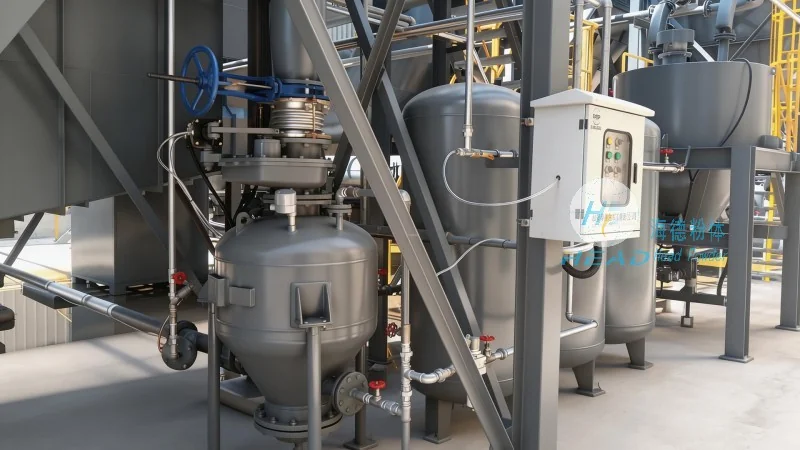
Applications and Benefits in Cement Production
Cement material handling equipment plays a vital role in the entire cement production process, from raw material handling to finished product distribution. In the raw material stage, equipment like belt conveyors and bucket elevators transport limestone, clay, and other raw materials to the grinding mills. During the clinker production phase, these systems move clinker from the kiln to the storage silos. Finally, in the finished cement stage, the equipment transfers the final product to packaging or shipping areas. The consistent and reliable operation of these machines ensures smooth production flow, minimizing bottlenecks and improving overall plant productivity.
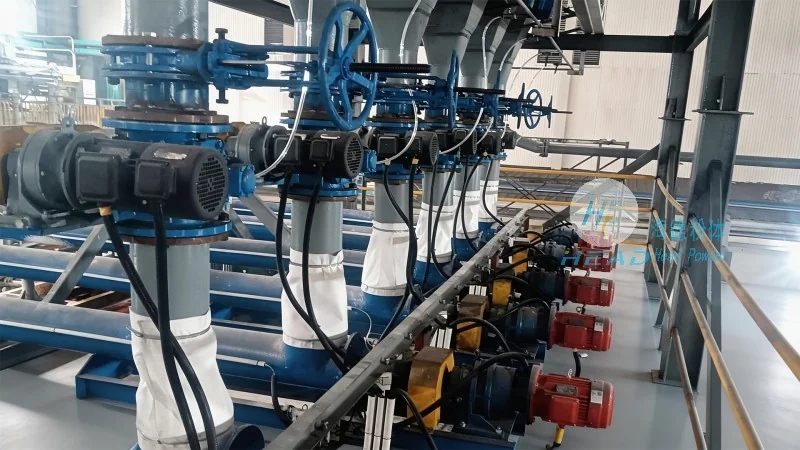
The benefits of using advanced cement material handling equipment from HeadPowder extend beyond efficiency. The reduced energy consumption and lower maintenance costs contribute to significant operational savings over the equipment's lifespan. Moreover, the high degree of automation and monitoring capabilities enhance safety in the workplace by minimizing manual handling of heavy or hazardous materials. This not only improves worker safety but also aligns with modern industrial standards for sustainable and safe operations.
Conclusion
HeadPowder's cement material handling equipment exemplifies the integration of advanced engineering and practical design, offering reliable and efficient solutions for material transport in cement plants. By understanding the working principles and key features of these machines, industries can make informed decisions to enhance their production processes, reduce costs, and improve overall operational performance. With a strong commitment to quality and innovation, HeadPowder continues to be a trusted partner in providing cutting-edge material handling solutions for the cement industry.