

Working Principle and Characteristics of Pneumatic Conveying for Wheat Starch Materials
HeadPowder, or Shandong HeadPowder Engineering Co., Ltd., is a leading provider of material handling solutions based in China. The company specializes in the design and implementation of pneumatic conveying systems tailored for the unique demands of wheat starch processing. This article explores the fundamental working principles and key characteristics of such systems, offering insights into how they enhance operational efficiency and product quality in the starch industry.

Understanding Pneumatic Conveying Systems for Wheat Starch
Pneumatic conveying, also known as air conveying, is a method of transporting bulk materials like wheat starch through a pipeline using air or gas as the conveying medium. This technology is widely adopted in the food processing sector due to its ability to handle delicate and hygienic materials without the need for mechanical contact or additional equipment. The core components of a pneumatic conveying system typically include a hopper for material storage, a conveyor line, a blower or compressor to generate airflow, and a discharge unit for material release.

The Working Principle of Pneumatic Conveying for Wheat Starch
The operation of a pneumatic conveying system for wheat starch involves several key steps. Initially, the wheat starch is fed into the hopper from the storage silo or processing line. The system then uses a blower to create a controlled airflow within the pipeline. This airflow, often referred to as the conveying air, is directed through the pipeline and into the material, lifting and transporting the starch particles along the path. The velocity and pressure of the air are critical factors that determine the efficiency of the conveying process. In the case of wheat starch, which is a fine, powdery material, the system must maintain a specific air-to-material ratio to ensure smooth and consistent transport without causing material degradation or blockages.
Key Characteristics of Pneumatic Conveying for Wheat Starch
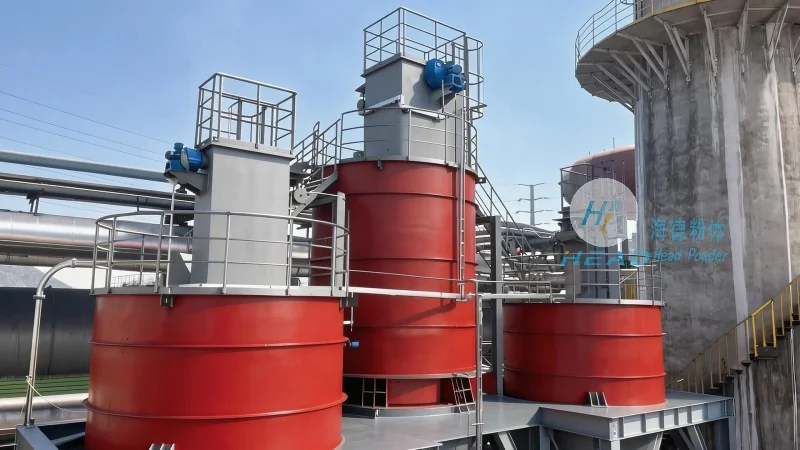
Several distinct characteristics make pneumatic conveying an ideal solution for handling wheat starch materials. Firstly, it offers a high degree of cleanliness and hygiene, which is paramount in food processing applications. The enclosed pipeline system prevents contamination from external sources and minimizes dust exposure, ensuring that the starch remains free from impurities. Secondly, the system provides excellent flexibility in terms of layout and integration with existing processing lines. It can be easily adapted to various plant configurations, allowing for the conveyance of materials over long distances or between different processing stages. Thirdly, pneumatic conveying is highly efficient in terms of energy consumption and operational speed. By using compressed air, the system can transport large volumes of wheat starch quickly and reliably, reducing downtime and increasing overall productivity. Additionally, the technology is relatively low in maintenance requirements compared to mechanical conveying systems, as it lacks moving parts that are prone to wear and tear.
Applications and Benefits in Wheat Starch Processing
HeadPowder's pneumatic conveying solutions are specifically designed to meet the stringent requirements of wheat starch processing facilities. These systems are used in various stages of the production process, including raw material handling, intermediate processing, and final product packaging. By integrating these systems into their operations, starch manufacturers can achieve significant improvements in operational efficiency, product quality, and safety standards. The enclosed nature of the system also helps in maintaining a controlled environment, which is crucial for preserving the quality and purity of the wheat starch product. Furthermore, the ability to handle fine powders without agglomeration or degradation makes pneumatic conveying a preferred choice for sensitive materials like wheat starch.

Conclusion
In summary, pneumatic conveying systems for wheat starch materials operate on the principle of using air to transport fine powders through enclosed pipelines. Their key characteristics, including hygiene, flexibility, efficiency, and low maintenance, make them an indispensable part of modern starch processing facilities. HeadPowder, with its expertise in material handling solutions, continues to provide advanced pneumatic conveying systems that enhance the performance and reliability of wheat starch processing operations. By leveraging these technologies, starch manufacturers can optimize their production processes, improve product quality, and maintain compliance with industry standards.