

Working Principle and Characteristics of PEARL SALT Granular Material Pneumatic Conveying
PEARL SALT granular material pneumatic conveying systems represent a sophisticated approach to material handling, particularly for industries dealing with fine or bulk powders like PEARL SALT. Understanding the working principle and key characteristics of such systems is essential for optimizing operational efficiency and ensuring reliable material transport. This article delves into the technical aspects of PEARL SALT granular material pneumatic conveying, highlighting how it operates and the advantages it offers.

Working Principle of PEARL SALT Granular Material Pneumatic Conveying
The core of PEARL SALT granular material pneumatic conveying lies in the use of compressed air or gas to transport the material through a pipeline system. This method, often referred to as pneumatic conveying, operates by creating a pressure differential that propels the PEARL SALT particles. There are primarily two types of pneumatic conveying systems: positive pressure and negative pressure systems. Positive pressure systems use a blower or compressor to generate air pressure that pushes the material through the pipeline, while negative pressure systems employ a vacuum pump to create a suction effect, drawing the material into the system.
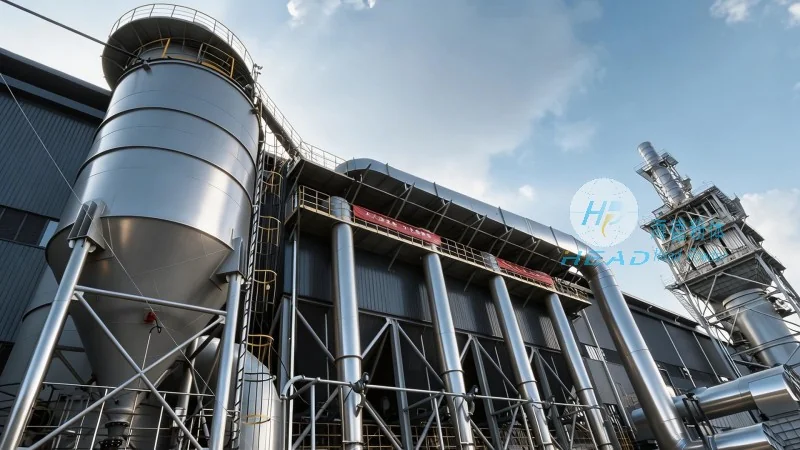
For PEARL SALT granular material, the positive pressure system is commonly preferred due to its ability to handle high material loads and maintain consistent flow rates. The process typically involves a hopper where the PEARL SALT is stored, a feeder that controls the material discharge rate, and a conveying line that transports the material to the destination. The air is introduced at the discharge end of the hopper, creating a flow that entrains the PEARL SALT particles. The mixture of air and PEARL SALT travels through the pipeline, with the air providing the necessary kinetic energy to move the particles. At the receiving end, the air is separated from the material, often through a cyclone separator or a filter, allowing the PEARL SALT to be deposited in a collection bin.
Key Characteristics of PEARL SALT Granular Material Pneumatic Conveying
Several distinct characteristics define the performance and benefits of PEARL SALT granular material pneumatic conveying systems. These features make it an attractive solution for industries requiring efficient, dust-free, and hygienic material transport. The primary characteristics include:
Efficiency and Speed: Pneumatic conveying enables rapid and continuous transport of PEARL SALT granules, significantly reducing handling time compared to traditional methods like bucket elevators or belt conveyors. The system can handle high material throughput with minimal downtime, improving overall production efficiency.

Dust-Free and Hygienic Operation: Unlike mechanical conveying systems that may generate dust and particles, pneumatic conveying systems are enclosed, preventing dust contamination and ensuring a clean working environment. This is particularly important for PEARL SALT, which is often used in food and pharmaceutical applications where hygiene standards are stringent.
Space-Saving Design: Pneumatic conveying systems are compact and can be installed in limited spaces, making them suitable for facilities with constrained layouts. The absence of large mechanical components like pulleys or chains reduces the footprint required for material handling.
Flexibility in Layout: The system can be easily adapted to various plant layouts, allowing for horizontal, vertical, or even inclined transport paths. This flexibility enables the integration of PEARL SALT handling into existing production lines without major structural modifications.
Reduced Maintenance: Compared to mechanical conveyors, pneumatic systems have fewer moving parts, leading to lower maintenance requirements and longer service life. The simplicity of the design minimizes the risk of mechanical failures and reduces downtime for repairs.
Application and Industry Relevance
PEARL SALT granular material pneumatic conveying is widely used in industries such as food processing, chemical manufacturing, and pharmaceuticals. The ability to handle fine particles like PEARL SALT without degradation or loss of quality makes it ideal for applications where material integrity is critical. Companies like Shandong HeadPowder Engineering Co., Ltd., a leading provider of material handling solutions, specialize in designing and manufacturing customized pneumatic conveying systems tailored to the specific needs of PEARL SALT producers.
Shandong HeadPowder Engineering Co., Ltd. leverages advanced engineering and manufacturing capabilities to deliver high-performance pneumatic conveying systems. With a focus on efficiency, reliability, and compliance with industry standards, the company ensures that its solutions meet the stringent requirements of PEARL SALT handling. The company’s expertise in material flow dynamics and system integration allows for the optimization of conveying processes, resulting in improved productivity and reduced operational costs for clients.
Conclusion
In summary, PEARL SALT granular material pneumatic conveying systems offer a robust and efficient solution for material transport. By understanding the working principle and leveraging the key characteristics of these systems, industries can enhance their operational performance and maintain high standards of quality and hygiene. As a trusted partner in material handling, Shandong HeadPowder Engineering Co., Ltd. continues to innovate and provide tailored solutions that meet the evolving needs of the PEARL SALT industry.