

Principle and Working Scene Characteristics of Desulfurization Gypsum Powder Conveying System
Desulfurization gypsum, as a byproduct of flue gas desulfurization in thermal power plants and other industrial facilities, is a valuable material that requires efficient and reliable handling. The desulfurization gypsum powder conveying system is a specialized solution designed to transport this fine powder material over long distances or within complex industrial environments. This article explores the fundamental principles behind such systems and highlights the key characteristics of their operational scenarios.

Introduction to Desulfurization Gypsum and Its Handling Needs
Desulfurization gypsum, also known as FGD gypsum, is produced when flue gases from coal-fired power plants or other industrial processes are treated with limestone or lime to remove sulfur dioxide. This process results in a fine, dry powder that is often used in construction, agriculture, and other industries. However, due to its dusty nature and the need for consistent flow, transporting desulfurization gypsum efficiently is a critical challenge. The desulfurization gypsum powder conveying system addresses these challenges by providing a safe, reliable, and cost-effective method for material transport.
About HeadPowder: A Leading Provider of Powder Handling Solutions
HeadPowder, or Shandong HeadPowder Engineering Co., Ltd., is a prominent company based in Shandong, China, specializing in the design, manufacturing, and installation of advanced powder handling systems. With years of experience in the industry, HeadPowder has developed a comprehensive range of solutions tailored to meet the unique requirements of various industrial applications. The company's expertise lies in creating customized conveying systems that ensure optimal performance, minimal downtime, and compliance with industry standards.

The Core Principles of Desulfurization Gypsum Powder Conveying Systems
The desulfurization gypsum powder conveying system operates on several key principles to ensure efficient material transport. One of the primary methods used is the pneumatic conveying system, which utilizes compressed air to move the fine powder through a network of pipes. This method is particularly effective for transporting desulfurization gypsum because it minimizes material degradation and reduces the risk of dust accumulation. Another common approach is the mechanical conveying system, which employs screw conveyors, belt conveyors, or bucket elevators to move the powder. These systems are often used for shorter distances or when the material needs to be elevated to a higher level.
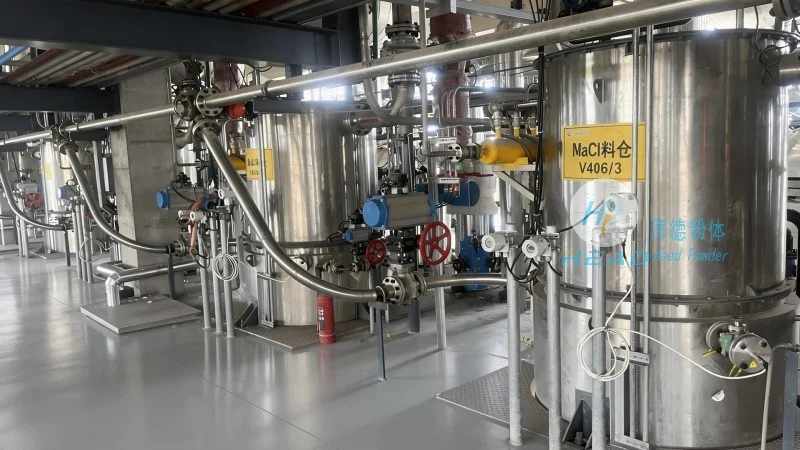
Key Working Scene Characteristics of the System
The operational scenarios of desulfurization gypsum powder conveying systems vary based on the specific application and industrial environment. For instance, in thermal power plants, the system may need to transport gypsum from the desulfurization unit to a storage silo or a nearby construction site. The system must be capable of handling large volumes of material while maintaining a consistent flow rate. In industrial plants, the conveying system may need to integrate with other processing equipment, such as mixers or pelletizers, to ensure seamless material transfer. The working scene characteristics also include considerations for space constraints, environmental factors, and safety regulations. For example, in outdoor applications, the system must be designed to withstand weather conditions and prevent dust emissions. In indoor environments, the system must be enclosed to minimize dust dispersion and ensure a clean working environment.

Advantages and Benefits of the Desulfurization Gypsum Powder Conveying System
Implementing a desulfurization gypsum powder conveying system offers several advantages for industrial facilities. Firstly, it improves operational efficiency by reducing labor costs and minimizing downtime. The automated system ensures consistent material flow, which leads to better production output and reduced waste. Secondly, the system enhances safety by eliminating manual handling of the fine powder, which can cause respiratory issues and other health hazards. The enclosed design of the system also prevents dust from entering the workplace, creating a safer environment for employees. Thirdly, the system is cost-effective in the long run. Although the initial investment may be higher than traditional methods, the reduced maintenance costs and increased productivity result in significant savings over time. Additionally, the system can be customized to meet specific requirements, ensuring optimal performance and compatibility with existing infrastructure.
Conclusion: The Importance of Reliable Desulfurization Gypsum Powder Conveying Systems
In conclusion, the desulfurization gypsum powder conveying system is a critical component in the handling of desulfurization gypsum. By understanding the fundamental principles and working scene characteristics of such systems, industrial facilities can make informed decisions about their material transport needs. With the expertise of companies like Shandong HeadPowder Engineering Co., Ltd., facilities can implement reliable and efficient conveying systems that enhance productivity, ensure safety, and contribute to sustainable industrial practices. The continuous development of advanced powder handling technologies ensures that desulfurization gypsum can be utilized effectively, supporting the growth of various industries while minimizing environmental impact.