

Principle and Working Scene Characteristics of Chromium(III) Oxide Powder Handling Equipment
Chromium(III) oxide, also known as chromium sesquioxide, is a widely used inorganic pigment with applications in various industries, including ceramics, glass, and coatings. The efficient handling and transportation of this fine powder are critical for maintaining product quality and operational efficiency. This article explores the principle and working scene characteristics of specialized equipment designed for the transport of chromium(III) oxide powder, highlighting key aspects that ensure reliable and safe operation.

Overview of Chromium(III) Oxide Powder Handling Equipment
Chromium(III) oxide powder handling equipment is engineered to manage the unique properties of this material, such as its fine particle size, hygroscopic nature, and potential for dust generation. The primary goal of these systems is to ensure that the powder is moved from storage to processing areas without degradation or contamination. The equipment typically includes components like hoppers, feeders, conveyors, and dust collection systems, all designed to work in harmony to achieve optimal performance.
The Core Principle of Powder Transport
The fundamental principle behind chromium(III) oxide powder transport is the use of controlled airflow and mechanical forces to move the material. Unlike bulk solids, fine powders require careful management to prevent agglomeration, caking, or loss of material. The equipment employs a combination of vacuum or pressure systems, along with specialized feeding mechanisms, to maintain the flow of the powder. For instance, rotary valves and screw feeders are commonly used to control the discharge rate, ensuring a steady and consistent supply to downstream processes. The design of these components is crucial, as they must handle the specific characteristics of chromium(III) oxide, including its density and flowability.
Working Scene Characteristics: Industrial Applications
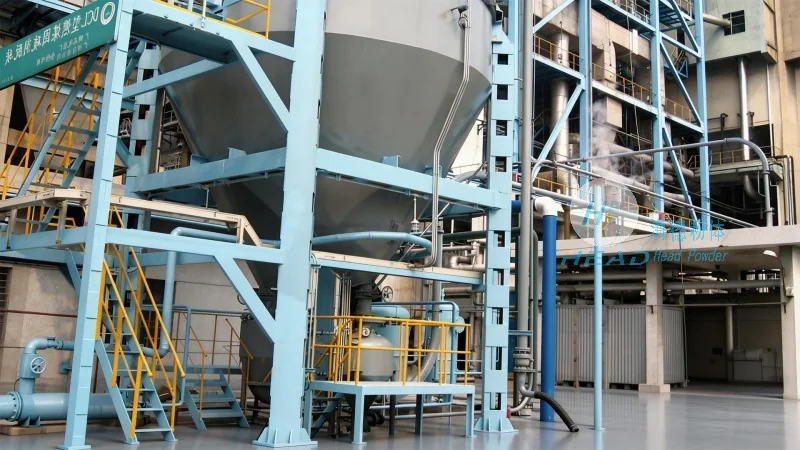
The working scene characteristics of chromium(III) oxide powder handling equipment are shaped by the diverse industrial applications of the material. In ceramic manufacturing, for example, the equipment must be capable of delivering precise amounts of the pigment to mixing and extrusion lines. This requires high-precision control over the feed rate, often achieved through variable-speed drives and closed-loop feedback systems. In the glass industry, the powder is used as a colorant, and the handling system must maintain a consistent color tone by preventing contamination from other materials. The equipment in this scenario may include inline color mixing units and automated dosing systems to ensure uniformity.
Key Features for Safe and Efficient Operation
Several key features are essential for the safe and efficient operation of chromium(III) oxide powder handling equipment. First, dust control is paramount due to the health hazards associated with fine particulate matter. The systems typically incorporate efficient dust collection and filtration systems, such as cartridge filters and cyclones, to minimize airborne particles and protect both personnel and the environment. Second, material compatibility is critical, as the equipment must be constructed from materials that are resistant to corrosion and chemical attack from the powder. Stainless steel and specialized alloys are commonly used for components that come into direct contact with the material. Third, the design must accommodate the hygroscopic nature of chromium(III) oxide, which can lead to caking if exposed to moisture. Moisture-proof hoppers and sealed conveyor systems are employed to prevent moisture ingress and maintain the powder's flowability.

Case Study: Application in a Coating Factory
Consider a scenario at a coating factory where chromium(III) oxide is used as a pigment in automotive and industrial coatings. The handling equipment in this facility includes a large storage silo, a rotary feeder, and a pneumatic conveyor system that transports the powder to a mixing tank. The system is designed to handle the high volume of material required for production, with the feeder controlled by a PLC (Programmable Logic Controller) to match the mixing rate. The conveyor system uses low-pressure air to move the powder, minimizing the risk of dust generation. The dust collection system is integrated with the conveyor, ensuring that any particles released are captured and filtered before being discharged to the atmosphere. This setup exemplifies how the equipment's design and operation align with the specific requirements of the coating industry, ensuring consistent product quality and operational safety.
Conclusion
In conclusion, the principle and working scene characteristics of chromium(III) oxide powder handling equipment are tailored to the unique properties of this material and the diverse applications it serves. By integrating advanced control systems, dust control measures, and material-compatible components, these systems ensure efficient and safe transport of chromium(III) oxide. The success of such equipment in industrial settings, as demonstrated by companies like Shandong HeadPowder Engineering Co., Ltd. based in China, highlights the importance of specialized engineering in managing fine powders. The continuous optimization of these systems will further enhance their performance, supporting the growth and quality of industries that rely on chromium(III) oxide.