

Principle and Working Scene Characteristics of Sodium Dithionite Material Handling Systems
HeadPowder, a leading provider in the field, specializes in the design and implementation of efficient material handling solutions for sodium dithionite. This article explores the fundamental principles behind these systems and highlights key characteristics of their operational environments. By understanding these aspects, industries can optimize their material transport processes, enhancing productivity and safety.
Company Overview: Shandong HeadPowder Engineering Co., Ltd.
HeadPowder, formally known as Shandong HeadPowder Engineering Co., Ltd., is headquartered in Shandong, China. The company has established itself as a trusted partner in the chemical processing sector, focusing on innovative solutions that meet the stringent requirements of material handling in industrial applications. With a commitment to quality and reliability, HeadPowder delivers systems tailored to the unique needs of each client.

Principle of Material Handling Systems for Sodium Dithionite
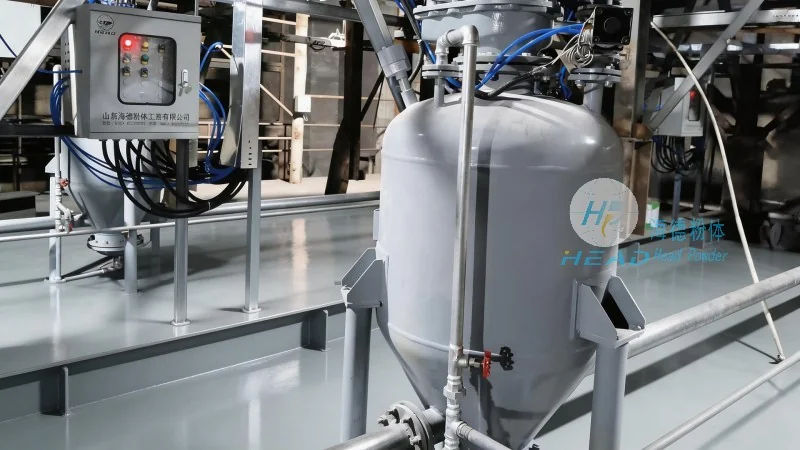
The core principle of sodium dithionite material handling systems revolves around the safe and efficient transport of this chemical, which is widely used in industries such as pulp and paper, textile, and water treatment. The systems typically employ specialized equipment designed to handle the material's physical properties, including its granular or powdered form, and the need for controlled temperature and moisture levels to prevent degradation. Key components often include conveyor belts, hoppers, and pneumatic or mechanical conveyors, all engineered to maintain the material's integrity during transport.

Working Scene Characteristics: Environmental and Operational Factors
The operational environment of sodium dithionite material handling systems presents specific challenges that must be addressed to ensure optimal performance. These systems are often deployed in industrial settings where space constraints, high throughput requirements, and safety regulations are critical. The working scene characteristics include:
- Industrial Plant Layout: Systems are integrated into existing production lines, requiring seamless coordination with other machinery and processes. This necessitates careful planning to avoid bottlenecks and ensure smooth material flow.
- Material Handling Requirements: Sodium dithionite is a hygroscopic substance, meaning it absorbs moisture from the air. Therefore, systems must incorporate moisture control measures, such as sealed containers and humidity-regulated conveyor sections, to maintain the material's quality.
- Safety Protocols: Due to the chemical's reactivity and potential hazards, strict safety protocols are implemented. This includes explosion-proof designs for pneumatic systems, regular maintenance schedules, and compliance with local regulations to minimize risks to personnel and equipment.
- Energy Efficiency: Modern systems are designed with energy efficiency in mind, utilizing advanced motor controls and optimized conveyor speeds to reduce operational costs while maintaining performance.
Application Scenarios: Real-World Use Cases
Sodium dithionite material handling systems are applied in diverse industrial scenarios, each with distinct requirements. For example, in the pulp and paper industry, these systems facilitate the transport of sodium dithionite from storage to processing units, where it is used as a bleaching agent. In the textile industry, the material is transported to dyeing facilities for use as a reducing agent. The versatility of these systems allows them to adapt to various production scales, from small-scale batch processing to large-scale continuous operations.

Conclusion: Enhancing Efficiency and Safety in Material Handling
HeadPowder's expertise in designing sodium dithionite material handling systems ensures that industries can achieve efficient, safe, and reliable material transport. By adhering to the principles outlined above and addressing the unique characteristics of each working scene, these systems contribute significantly to improved operational performance and compliance with industry standards. As a result, companies can enhance their productivity while maintaining the highest levels of safety and material integrity.