

Principles and Working Scene Characteristics of Biomass Pellet Material Pneumatic Conveying Systems
HeadPowder Engineering, a leading provider of industrial material handling solutions, specializes in the design and implementation of pneumatic conveying systems tailored for biomass pellet materials. This article explores the fundamental principles behind these systems and highlights the key characteristics of their operational environments.

Principles of Pneumatic Conveying for Biomass Pellets
Pneumatic conveying systems operate by transporting bulk materials, such as biomass pellets, through a pipeline using a gas stream, typically air or a combination of air and other gases. The core principle involves creating a pressure differential within the system to move the material from a source to a destination. There are two primary types of pneumatic conveying: dilute-phase and dense-phase. Dilute-phase systems use high-velocity air to suspend the pellets, allowing them to travel through the pipeline efficiently. Dense-phase systems, on the other hand, use lower velocities and higher pressure to push the material in a more compact form, reducing the risk of material degradation and pipeline blockages. The choice between these systems depends on factors like material properties, distance, and required flow rates. For biomass pellets, which are often lightweight and have a tendency to degrade under high shear forces, dense-phase systems are frequently preferred to ensure minimal damage and consistent quality.
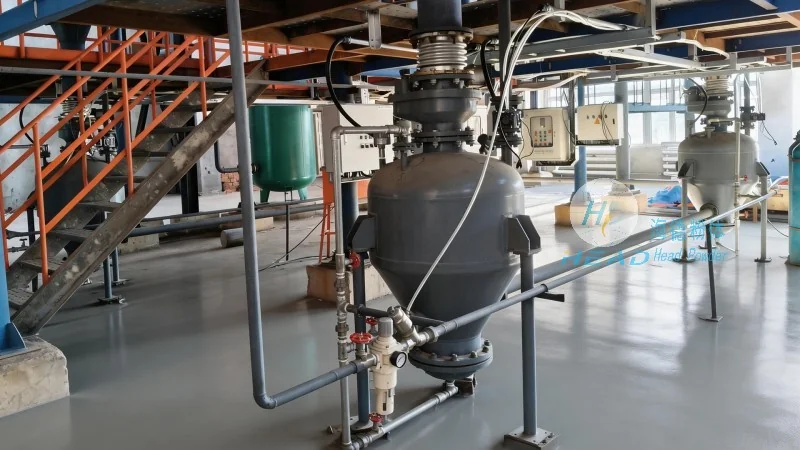
Working Scene Characteristics of Biomass Pellet Pneumatic Conveying
The operational environments for biomass pellet pneumatic conveying systems exhibit distinct characteristics that influence system design and performance. First, the material itself—biomass pellets—has specific properties that affect system efficiency. These pellets are typically produced from agricultural residues, wood chips, or other organic feedstocks, resulting in a uniform but often abrasive nature. The size and density of the pellets vary, requiring systems to be optimized for consistent flow. Second, the source and destination points of the material often involve multiple stages, such as from a storage silo to a processing unit or from a production line to a storage facility. This multi-stage operation demands flexible and reliable conveying solutions that can handle varying material volumes and flow rates. Third, the environmental conditions in biomass processing facilities, including temperature fluctuations and dust generation, necessitate robust system designs with proper filtration and sealing mechanisms to maintain air quality and prevent material loss. Additionally, the need for energy efficiency is a critical consideration, as biomass is often a renewable resource, and minimizing energy consumption aligns with sustainability goals. Systems are designed to optimize air usage while maintaining effective material transport, often incorporating features like variable speed drives and pressure recovery systems to enhance performance.
Application Scenarios and System Integration
Biomass pellet pneumatic conveying systems are employed in a variety of industrial applications, each with unique requirements that dictate system configuration. For example, in biomass power plants, these systems are used to transport pellets from storage silos to the boiler feed system, ensuring a continuous and uninterrupted supply of fuel. The high flow rates and long distances involved in such applications require high-capacity, low-pressure drop systems to minimize energy costs. In biomass pellet production facilities, the systems may need to handle material from grinding and drying stages to packaging units, requiring precise control over flow rates and material quality. The integration of these systems with other processing equipment, such as mixers and classifiers, is crucial for maintaining product consistency. Furthermore, in renewable energy projects, where biomass is used as a substitute for fossil fuels, the reliability of the conveying system directly impacts the overall efficiency of the power generation process. HeadPowder Engineering’s expertise lies in tailoring these systems to meet the specific demands of each application, ensuring optimal performance and longevity.

Key Features and Advantages of HeadPowder Engineering's Solutions
HeadPowder Engineering offers comprehensive pneumatic conveying solutions for biomass pellet applications, leveraging advanced technology and engineering expertise. The company’s systems are designed with durability and efficiency in mind, incorporating components that can withstand the abrasive nature of biomass pellets and the demanding operational conditions of processing facilities. Key features include adjustable air flow control to maintain consistent material transport, advanced filtration systems to prevent dust accumulation and ensure air quality, and robust pipeline designs to minimize pressure losses and reduce maintenance needs. The company’s solutions also prioritize safety, with built-in monitoring systems that detect blockages or pressure abnormalities and trigger alarms or shutdowns as needed. Additionally, HeadPowder Engineering provides customized system designs that consider the specific characteristics of the biomass material, such as particle size distribution and moisture content, to optimize performance. By focusing on these aspects, the company ensures that its pneumatic conveying systems deliver reliable, efficient, and sustainable material handling solutions for biomass pellet applications.