

Principles and Working Scene Characteristics of Powdered Seasoning Material Pneumatic Conveying Line
HeadPowder, a leading enterprise based in Shandong, China, specializes in the design, development, and implementation of advanced pneumatic conveying systems. These systems are specifically engineered to efficiently transport powdered seasoning materials, such as spices, herbs, and flavor enhancers, across various industrial settings. This article explores the core principles behind pneumatic conveying technology and highlights the distinct working scene characteristics that define its application in the seasoning and food processing sectors.

Introduction to Pneumatic Conveying Systems for Seasoning Materials
Pneumatic conveying, also known as pneumatic transport, is a method of moving bulk materials through a pipeline using a gas stream, typically air or other gases. In the context of seasoning materials, this technology offers a highly effective solution for handling delicate, fine-grained powders that require gentle yet efficient transportation. Unlike traditional mechanical conveying methods, which may cause particle degradation or contamination, pneumatic systems provide a clean, enclosed environment that preserves the quality and integrity of the seasoning products.
The Fundamental Principles of Pneumatic Conveying Technology
The operation of a pneumatic conveying system for seasoning materials is based on two primary principles: positive pressure and negative pressure. Positive pressure systems force air into the material to push it through the pipeline, while negative pressure systems create a vacuum to draw the material into the system. Both methods are designed to maintain the flow of powders without causing excessive pressure or friction, which is crucial for maintaining the flavor and aroma of spices and herbs.
Key components of a typical pneumatic conveying line include a hopper for material storage, a feeder to control the flow rate, a conveyor pipe, and a receiver or discharge point. The system may also incorporate filters, cyclones, and dust collection units to ensure that the environment remains clean and that the seasoning material is not contaminated by external particles. HeadPowder’s expertise lies in customizing these components to meet the specific requirements of each client, ensuring optimal performance and reliability.

Key Working Scene Characteristics and Applications
The working scene characteristics of pneumatic conveying systems for seasoning materials are shaped by the diverse needs of the food processing industry. These systems are commonly used in scenarios where the material must be transported over long distances, through multiple processing stages, or between different production lines. For instance, in large-scale spice processing plants, pneumatic conveyors can efficiently move powdered seasonings from storage silos to mixing rooms, packaging lines, or quality control stations.
One of the most critical working scene characteristics is the need for hygiene and cleanliness. Seasoning materials are often sensitive to moisture, light, and contaminants, which can affect their taste and shelf life. Pneumatic systems, particularly those with stainless steel construction and sealed components, provide a sanitary environment that meets the stringent standards of the food industry. HeadPowder’s systems are designed with food-grade materials and easy-to-clean surfaces, ensuring compliance with regulatory requirements such as FDA and HACCP guidelines.
Another important characteristic is the adaptability to varying material properties. Different seasoning products, such as ground pepper, dried herbs, or powdered sugar, have distinct particle sizes, densities, and flow characteristics. Pneumatic conveying systems can be configured to handle these variations by adjusting the air pressure, flow rate, and pipe diameter. This flexibility allows manufacturers to process a wide range of seasoning materials without the need for multiple, specialized equipment.

Advantages of Pneumatic Conveying in Seasoning Material Handling
Implementing pneumatic conveying systems for seasoning materials offers several advantages over traditional methods. Firstly, it significantly reduces labor costs by automating the material handling process. Manual handling of powders can be messy and inefficient, while automated systems ensure consistent and reliable transport. Secondly, pneumatic conveyors minimize product loss and contamination. The enclosed system prevents dust from escaping and keeps the material free from external pollutants, which is essential for maintaining product quality.
Thirdly, these systems enhance operational efficiency by enabling continuous production. Unlike batch processing, pneumatic conveying allows for a seamless flow of materials from one stage to the next, reducing downtime and increasing overall productivity. This is particularly beneficial in high-volume seasoning production, where speed and consistency are paramount.
Additionally, pneumatic conveying systems are energy-efficient compared to other bulk handling methods. By optimizing the air pressure and flow rate, manufacturers can reduce energy consumption while maintaining the required conveying capacity. HeadPowder’s engineering team focuses on energy-saving designs, incorporating features such as variable frequency drives (VFDs) and optimized pipe layouts to minimize operational costs.
Customization and Integration with Existing Systems
HeadPowder recognizes that each seasoning processing facility has unique operational requirements. Therefore, the company offers comprehensive customization services to integrate pneumatic conveying systems with existing production lines. This includes compatibility with existing hoppers, feeders, and packaging equipment, as well as the ability to connect to other processing units, such as mixers, blenders, or granulators.
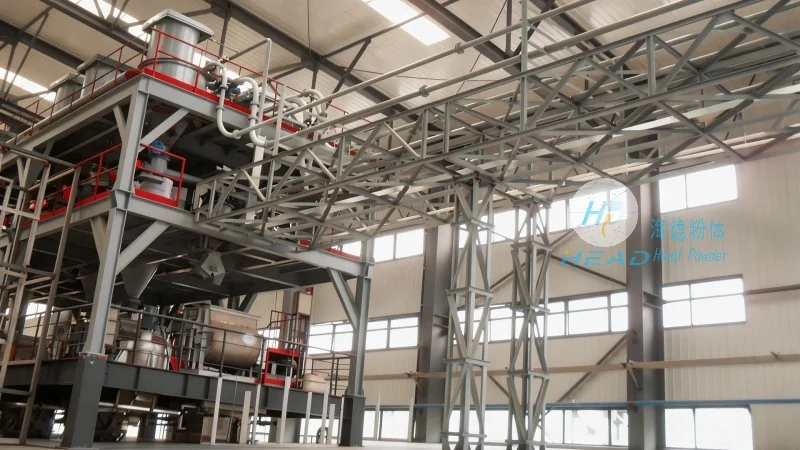
The integration process involves a thorough analysis of the client’s current workflow, material specifications, and production goals. HeadPowder’s engineers work closely with clients to design a system that maximizes efficiency while minimizing disruptions to existing operations. This approach ensures that the new pneumatic conveying line complements the existing infrastructure, providing a seamless transition to automated material handling.
Furthermore, HeadPowder provides ongoing support and maintenance services to ensure the long-term performance of the systems. Regular inspections, component replacements, and technical assistance are offered to keep the conveying lines operating at peak efficiency. This commitment to after-sales support is a key factor in the company’s reputation as a reliable partner in the seasoning and food processing industry.
Conclusion
Pneumatic conveying systems represent a sophisticated and efficient solution for handling powdered seasoning materials in various industrial applications. By leveraging the principles of positive and negative pressure, these systems provide a clean, reliable, and adaptable method of transporting delicate powders while preserving their quality and flavor. HeadPowder, with its expertise in designing and manufacturing advanced pneumatic conveying equipment, plays a vital role in enabling food processing companies to meet the demands of modern production, ensuring consistent product quality and operational efficiency.