

Principle and Working Scene Characteristics of Corn Feed Material Pneumatic Conveying Lines
Shandong HeadPowder Engineering Co., Ltd. specializes in the design, manufacturing, and installation of advanced pneumatic conveying systems tailored for corn feed material handling. With a focus on efficiency and reliability, our systems are engineered to meet the specific demands of the feed industry, ensuring optimal performance in various operational environments. Located in Shandong, China, the company leverages years of expertise to deliver solutions that enhance productivity while maintaining high standards of material integrity.

Principle of Pneumatic Conveying for Corn Feed Materials
Pneumatic conveying systems utilize air as the primary medium to transport bulk materials like corn feed. The core principle involves creating a pressure differential to move the material through a network of pipes. There are two main types of pneumatic conveying: positive pressure and negative pressure systems. Positive pressure systems blow air into the conveying line, pushing the material forward, while negative pressure systems create a vacuum to draw material into the line. For corn feed, which often consists of granular or powdered components with varying moisture content and particle size, positive pressure systems are commonly preferred due to their ability to handle higher material loads and prevent material degradation. The system typically includes a feed hopper, an airlock or rotary valve to control material flow, a blower or fan to generate the necessary air pressure, and a series of pipelines that guide the material to its destination. At the receiving end, a separator or cyclone separates the material from the air, and a dust collector captures any fine particles, ensuring a clean and efficient operation. The design of the conveying line, including pipe diameter, bend radius, and air velocity, is critical to prevent blockages and maintain consistent material flow. Proper air-to-material ratio is essential to achieve optimal conveying efficiency and minimize energy consumption. The system's control mechanisms, such as variable frequency drives for the blower and automated valves, allow for precise regulation of the conveying process, adapting to changes in material feed rate and system pressure.
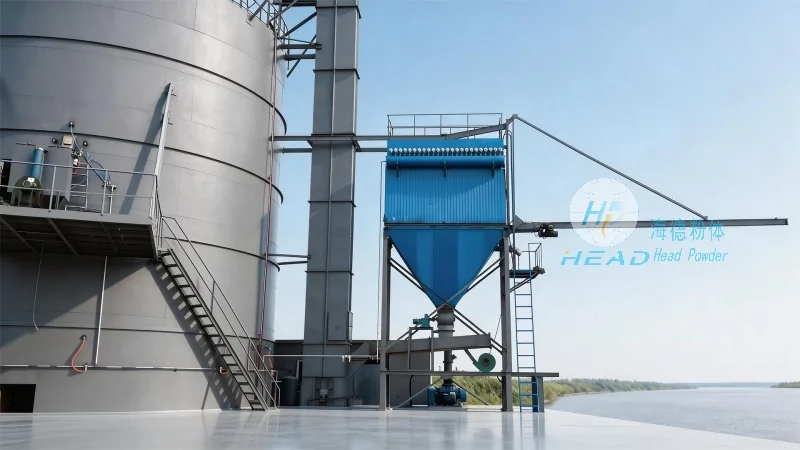
Working Scene Characteristics of Corn Feed Material Pneumatic Conveying Lines
The application of corn feed material pneumatic conveying lines varies across different industrial settings, each with unique requirements and operational characteristics. In feed processing plants, these systems are integral to the production workflow, connecting raw material storage to processing equipment, and transporting finished feed products to packaging or storage areas. The key characteristics in this scenario include high throughput capacity, as feed plants often handle large volumes of corn and other ingredients daily. The systems are designed to handle the abrasive nature of corn feed, which can cause wear on pipes and components, necessitating the use of durable materials like stainless steel or special coatings to extend the system's lifespan. Additionally, the systems must be integrated with other processing equipment, such as mixers and extruders, requiring seamless coordination and reliable material delivery to maintain production continuity. In livestock farms or feed mills, the pneumatic conveying lines are used to transport feed from storage silos to feeding stations or to distribute feed to different sections of the farm. The working scene here emphasizes flexibility and ease of installation, as farms may have varying layouts and need to adapt to seasonal changes in feed demand. The systems are often designed for low maintenance, with simple access points for cleaning and inspection, and are equipped with safety features to prevent over-pressurization or material blockages that could pose risks to the farm environment. In grain storage facilities, the pneumatic conveying lines play a crucial role in transferring corn from storage bins to processing lines or for quality control testing. The characteristics in this setting include the need for accurate measurement and monitoring of material flow, as precise dosing is critical for maintaining product consistency. The systems are equipped with flow meters and sensors to provide real-time data on material quantity and velocity, ensuring that the conveying process is optimized for efficiency and cost-effectiveness. Furthermore, the systems must be designed to handle the potential presence of moisture or dust in the corn, as these factors can affect the conveying performance and require additional filtration or drying steps in the system. The working scene also highlights the importance of energy efficiency, as farms and processing plants aim to reduce operational costs while minimizing environmental impact. The use of energy-efficient blowers and optimized pipe designs helps to lower electricity consumption, making the pneumatic conveying system a sustainable solution for corn feed handling.
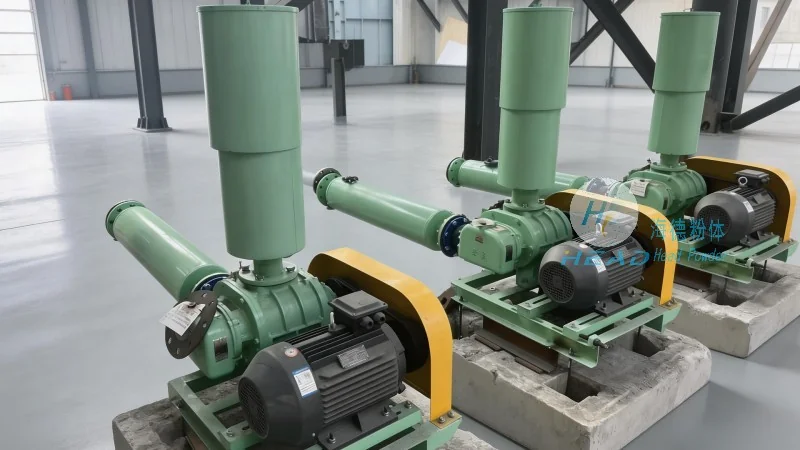
Advantages and Practical Considerations in Corn Feed Material Pneumatic Conveying
Implementing a corn feed material pneumatic conveying line offers several advantages that make it a preferred choice in the feed industry. One of the primary benefits is the ability to transport materials over long distances without the need for intermediate storage or manual handling. This reduces labor costs and minimizes the risk of material contamination or loss during transfer. The systems also provide a hygienic and enclosed environment, which is essential for maintaining the quality and safety of feed products, especially in compliance with food safety regulations. Additionally, pneumatic conveying systems are highly adaptable, allowing for easy reconfiguration or expansion as production needs change. The flexibility in system design enables customization to fit specific plant layouts and operational requirements, ensuring that the conveying line meets the unique demands of each facility. From a maintenance perspective, these systems are generally low-maintenance, with fewer moving parts compared to mechanical conveyors, reducing the need for frequent repairs and downtime. However, proper maintenance is still crucial to ensure long-term performance, including regular inspection of air filters, blower components, and pipeline integrity. The cost-effectiveness of pneumatic conveying systems is another significant advantage, as they can reduce overall operational expenses by minimizing material waste and energy consumption. The initial investment in a pneumatic conveying system may be higher than traditional methods, but the long-term savings in labor, equipment, and material loss make it a cost-effective solution. Practical considerations when implementing a corn feed material pneumatic conveying line include the selection of appropriate air velocity and pipe diameter to prevent blockages and ensure efficient material transport. The system must be designed to handle the specific properties of corn feed, such as particle size distribution, moisture content, and bulk density, as these factors directly impact the conveying performance. For example, finer particles may require higher air velocities to prevent settling in the pipes, while larger granules may need larger pipe diameters to avoid excessive pressure drop. The system's control system is also critical, as it must be capable of adjusting to variations in material feed rate and system pressure to maintain consistent flow. Automation features, such as variable frequency drives and sensor-based controls, enhance the system's responsiveness and efficiency. Furthermore, the environmental impact of the system should be considered, as the use of air as the conveying medium can lead to dust emissions. Proper dust collection and filtration systems are essential to comply with environmental regulations and maintain a clean working environment. The location of the system within the facility is another practical consideration, as it must be placed to minimize the length of the conveying line and reduce energy consumption. The system should also be integrated with other equipment, such as feed mixers or storage silos, to ensure smooth operation and avoid bottlenecks. In conclusion, corn feed material pneumatic conveying lines are a reliable and efficient solution for transporting bulk feed materials in various industrial settings. By understanding the principle of pneumatic conveying and the specific characteristics of corn feed, manufacturers can design and implement systems that enhance productivity, maintain material quality, and reduce operational costs. The expertise of companies like Shandong HeadPowder Engineering Co., Ltd. in this field ensures that clients receive tailored solutions that meet their unique needs and contribute to the overall success of their feed processing operations.