

Operation Process and Working Principle of a Plug-Type Pneumatic Conveying System
Plug-type pneumatic conveying systems represent a sophisticated and efficient method for transporting bulk materials over long distances or within industrial facilities. Unlike traditional pneumatic conveying systems that rely on continuous air flow to move particles, plug-type systems utilize a unique mechanism involving the formation of solid plugs or "chokes" of material, which are then propelled through the conveying line by controlled bursts of air. This approach offers significant advantages in terms of material handling efficiency, reduced product degradation, and improved process control.

Working Principle of Plug-Type Pneumatic Conveying
The core working principle of a plug-type system centers on the creation and movement of material plugs. The process begins with the material being fed into the conveying line at a controlled rate. As the material accumulates, it forms a dense, compact plug that is separated from the air stream by a "plug face." This plug is then propelled forward by intermittent pulses of high-pressure air or gas. The air pulses are timed to ensure that the plug moves smoothly without breaking apart, maintaining the integrity of the material. The system typically operates in a closed loop, with the air being recycled and filtered to maintain a clean environment. The plug formation and movement are governed by precise control of the material feed rate, air pressure, and pulse frequency, which are critical for optimizing the conveying efficiency and preventing material degradation.

Key Components and Their Functions
A plug-type pneumatic conveying system consists of several key components that work in tandem to ensure effective operation. These include a material hopper or feeder, which supplies the bulk material to the system; a conveying line (usually made of stainless steel or other corrosion-resistant materials) that houses the material plug; a plug formation device, such as a venturi or a special nozzle, which helps in creating the solid plug; and a control system that regulates the air pulses and material feed. The material hopper may include a level sensor to monitor the material supply and adjust the feed rate accordingly. The conveying line is often equipped with pressure sensors to detect any blockages or changes in pressure, ensuring the system operates within safe parameters. The plug formation device is crucial as it determines the density and consistency of the material plug, which directly impacts the conveying efficiency. The control system uses feedback from various sensors to adjust the air pulse timing and pressure, maintaining optimal plug movement.
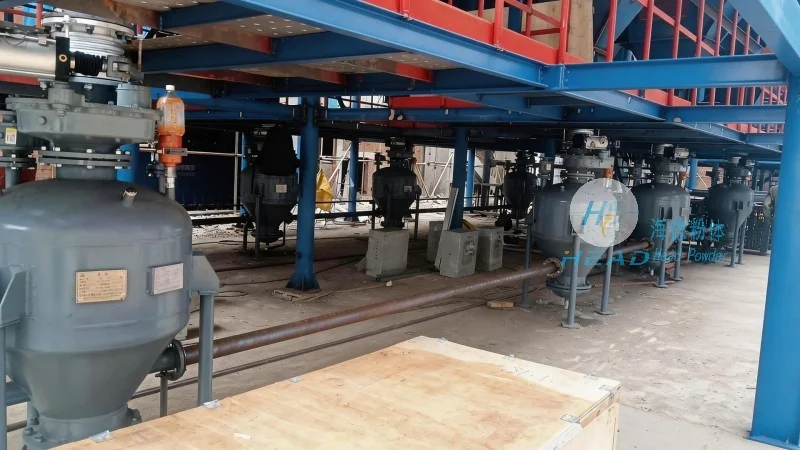
Operation Process of a Plug-Type System
The operation of a plug-type pneumatic conveying system follows a systematic process that ensures consistent and reliable material transport. The process starts with the material being loaded into the hopper. The feeder then regulates the flow of material into the conveying line, ensuring a steady supply. As the material enters the line, it begins to accumulate and form a plug. The control system monitors the plug's formation and triggers the air pulses at the appropriate intervals. Each air pulse pushes the plug forward a certain distance, depending on the system's design and the material properties. The plug moves through the conveying line until it reaches the discharge point, where it is released into the receiving hopper or storage container. The system then repeats the cycle, with the feeder supplying more material to form a new plug. The entire process is automated, with the control system adjusting parameters in real-time to maintain optimal performance. This continuous operation allows for high throughput and minimal downtime, making plug-type systems ideal for industrial applications where consistent material handling is essential.
Advantages of Plug-Type Pneumatic Conveying
Plug-type pneumatic conveying systems offer several advantages over traditional pneumatic conveying methods. One of the primary benefits is the reduced risk of material degradation. Since the material is conveyed in a solid plug rather than suspended in the air stream, there is less friction and impact, which helps preserve the quality of the material, especially for sensitive products like powders, granules, or food ingredients. Another advantage is the improved energy efficiency. By using intermittent air pulses instead of continuous high-pressure air flow, the system consumes less energy while maintaining high conveying rates. This results in lower operational costs and reduced environmental impact. Additionally, plug-type systems are more effective at handling a wide range of materials, including those with high moisture content or abrasive properties, as the solid plug protects the material from damage. The system also provides better control over the material flow, allowing for precise dosing and dosing rates, which is crucial in processes such as pharmaceutical manufacturing or chemical processing. Furthermore, the closed-loop design of plug-type systems minimizes dust emissions and improves workplace safety, as the material is contained within the conveying line.

Applications and Industries
Plug-type pneumatic conveying systems are widely used in various industries due to their versatility and efficiency. These systems are commonly employed in the chemical industry for transporting powders and granules, such as chemicals, pigments, and additives. In the food and beverage industry, plug-type systems are used to handle ingredients like flour, sugar, and spices, ensuring that the products remain fresh and free from contamination. The pharmaceutical industry also utilizes these systems for transporting active pharmaceutical ingredients (APIs) and other sensitive materials, where maintaining product integrity is paramount. Additionally, plug-type systems are used in the mining and minerals industry for conveying bulk materials like ores and coal. In the cement and construction industry, they are employed for transporting raw materials and finished products. The automotive industry also benefits from plug-type systems for handling powders used in coatings and adhesives. Overall, the applications of plug-type pneumatic conveying systems span across multiple sectors, making them a preferred choice for industries that require reliable, efficient, and safe material handling solutions.