

Operation Process and Working Principle of Bean Powder Pneumatic Conveying Line
Bean powder pneumatic conveying lines are essential equipment in the processing and handling of bulk materials, particularly in industries dealing with food products like bean powders. These systems efficiently transport dry powders through a network of pipes using air pressure, offering a clean, dust-free, and flexible solution for material movement. This article provides a detailed overview of the operation process and working principles of such systems, highlighting their advantages and practical applications.

Introduction to Bean Powder Pneumatic Conveying Systems
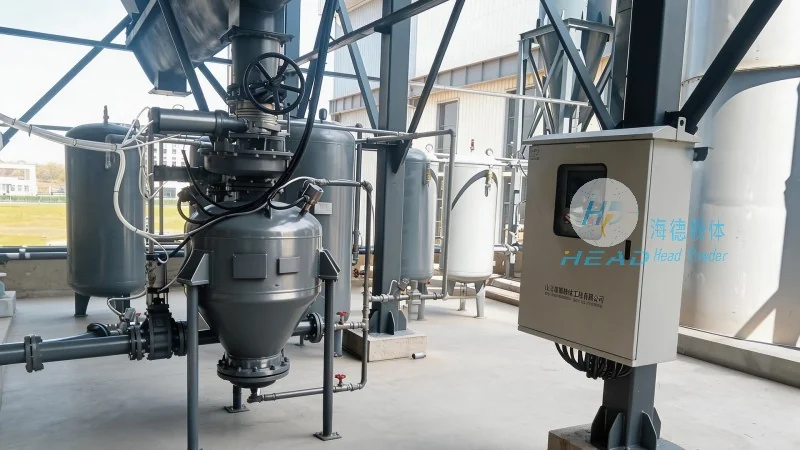
Bean powder pneumatic conveying systems are designed to transport dry, fine powders like bean powder from one location to another within a processing facility. Unlike traditional mechanical conveyors, which may cause product contamination or require frequent maintenance, pneumatic conveying systems use air as the medium to move materials, ensuring a hygienic and efficient transfer process. The system typically consists of several key components, including a hopper for material storage, a feeder to control the flow rate, a conveying line with appropriate pipe diameters, and a receiver for the discharged material. Each component plays a crucial role in the overall operation, working in tandem to achieve seamless material transport.
Key Components of a Bean Powder Pneumatic Conveying Line
The effectiveness of a bean powder pneumatic conveying line depends on the proper integration of its core components. The hopper, often equipped with a discharge valve or gate, holds the bean powder and provides a consistent feed to the system. The feeder, which can be a rotary valve, screw feeder, or vibratory feeder, regulates the material flow rate, preventing overloading or underflow that could disrupt the conveying process. The conveying line itself is made of materials like stainless steel or food-grade plastic to ensure compatibility with bean powders and maintain hygiene standards. The line may include bends, elbows, and expansion joints to accommodate changes in direction and pressure, while maintaining minimal pressure drop. Finally, the receiver collects the conveyed bean powder, often with a dust collection system to prevent airborne particles from escaping into the environment.
The Working Principle of Bean Powder Pneumatic Conveying
The operation of a bean powder pneumatic conveying line is based on the principle of air flow and pressure differentials. There are two main types of pneumatic conveying systems: pressure and vacuum. In a pressure system, compressed air is introduced into the conveying line at a higher pressure than the ambient air, pushing the bean powder through the pipe. The air and powder mixture travels through the line, with the air providing the necessary force to overcome friction and gravity. At the receiving end, the air is separated from the powder, often using a cyclone separator or a filter, and the air is either vented or recycled back into the system. In a vacuum system, a vacuum pump creates a low-pressure environment at the receiving end, drawing the bean powder and air into the line from the source. Both systems rely on the balance of pressure and air velocity to ensure efficient material transport without causing product degradation or clogging.

Operation Process of Bean Powder Pneumatic Conveying Lines
The operation process of a bean powder pneumatic conveying line involves several sequential steps to ensure smooth and continuous material transfer. First, the bean powder is loaded into the hopper from a storage silo or bulk container. The hopper is then sealed to prevent contamination and to maintain the internal pressure. Next, the feeder is activated to control the flow rate of the bean powder into the conveying line. The feeder may be adjusted based on the required output rate, ensuring that the system operates at optimal efficiency. As the powder enters the line, the air compressor or vacuum pump is started, providing the necessary air pressure or vacuum to initiate the conveying process. The air and powder mixture travels through the pipe network, with the air velocity maintained at a level that prevents particle segregation or clogging. At the receiving end, the mixture enters a separator, where the air is separated from the powder. The separated powder is collected in the receiver, while the air is either vented or recycled. The entire process is monitored by sensors and control systems that adjust the air flow rate, feeder speed, and other parameters to maintain consistent performance. Regular maintenance, such as cleaning the hopper, feeder, and separator, is essential to prevent blockages and ensure the longevity of the system.
Advantages of Bean Powder Pneumatic Conveying Systems
Bean powder pneumatic conveying systems offer several advantages over traditional mechanical conveyors, making them a preferred choice in many industries. One of the primary benefits is the ability to maintain a clean and hygienic environment, as the system is enclosed and prevents dust from escaping into the air. This is particularly important in food processing facilities where product purity and safety are critical. Additionally, pneumatic conveying systems are flexible and can be easily reconfigured to accommodate changes in production needs or facility layout. The system can be expanded or modified by adding additional pipes or components without major structural changes. Another advantage is the reduced risk of product contamination, as the materials are not in direct contact with mechanical parts like belts or chains. The system also offers energy efficiency, as the air can be recycled and reused, reducing the overall energy consumption compared to other conveying methods. Furthermore, pneumatic conveying systems are suitable for transporting a wide range of materials, including fine powders like bean powder, without causing degradation or agglomeration.
Applications of Bean Powder Pneumatic Conveying Lines
Bean powder pneumatic conveying lines are widely used in various industries that process and handle dry powders. In the food industry, these systems are commonly employed in the production of bean-based products, such as soy milk, tofu, and other food items. The systems efficiently transport bean powder from storage areas to processing equipment, ensuring a consistent supply of raw material. In the pharmaceutical industry, pneumatic conveying systems are used to transport active pharmaceutical ingredients (APIs) and other fine powders, maintaining strict hygiene and contamination control standards. The systems are also utilized in the chemical industry for transporting powders like pigments, dyes, and other chemical compounds. Additionally, in the agricultural sector, bean powder pneumatic conveying lines are used to transport harvested bean powders from storage silos to processing facilities, facilitating efficient post-harvest handling. The versatility and efficiency of these systems make them suitable for a wide range of applications, from small-scale operations to large industrial facilities.
Maintenance and Troubleshooting for Bean Powder Pneumatic Conveying Lines
Proper maintenance is crucial to ensure the reliable and efficient operation of bean powder pneumatic conveying lines. Regular inspection and cleaning of the hopper, feeder, and separator are essential to prevent blockages and maintain the system's performance. The hopper should be cleaned periodically to remove any accumulated powder, which can affect the flow rate and cause clogging. The feeder should be checked for wear and tear, and its components should be replaced as needed to ensure consistent material flow. The separator and receiver should be cleaned to remove any residual powder, which can lead to contamination or reduced efficiency. In addition to regular cleaning, the air compressor or vacuum pump should be maintained to ensure proper air pressure and flow. Filters and air dryers should be checked and replaced as needed to prevent dust buildup and maintain air quality. Troubleshooting common issues, such as clogging or low conveying efficiency, involves checking the flow rate, air pressure, and material properties. If clogging occurs, the system may need to be flushed with air or the material may need to be adjusted to prevent agglomeration. Low conveying efficiency may indicate a problem with the air flow or the feeder, which should be addressed by adjusting the system parameters or replacing worn components. By following a regular maintenance schedule and addressing issues promptly, the lifespan and performance of the bean powder pneumatic conveying line can be maximized.
Conclusion
Bean powder pneumatic conveying lines are sophisticated systems that provide an efficient and hygienic solution for transporting dry powders like bean powder. The operation process involves the coordinated action of several components, working together to ensure seamless material transfer. The working principle is based on air flow and pressure differentials, with pressure and vacuum systems offering flexibility based on the application requirements. The advantages of these systems, including cleanliness, flexibility, and energy efficiency, make them a preferred choice in various industries. Proper maintenance and troubleshooting are essential to ensure the long-term performance and reliability of the system. As the demand for efficient and hygienic material handling increases, bean powder pneumatic conveying lines will continue to play a vital role in the processing and handling of bulk materials, particularly in the food and pharmaceutical industries.