

Operation Process and Working Principle of Coke Pneumatic Conveying Lines
HeadPowder, a leading manufacturer based in Shandong, China, specializes in the design, production, and installation of advanced coke pneumatic conveying systems. These systems are crucial for efficiently transporting coke, a vital raw material in steel production, from storage facilities to processing units. The operation of such lines involves a series of integrated components and processes that ensure reliable, low-cost, and safe material handling. This article delves into the detailed operation process and working principles of coke pneumatic conveying lines, highlighting the key technologies and operational aspects that make them effective in industrial applications.

Key Components of a Coke Pneumatic Conveying System
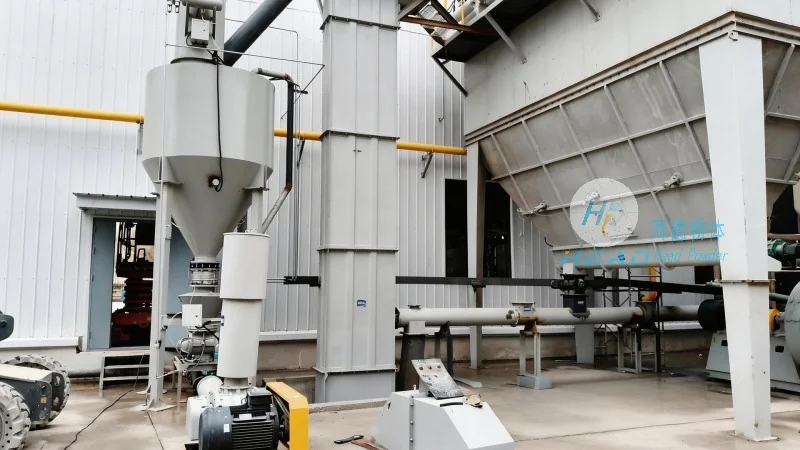
The core of a coke pneumatic conveying line consists of several essential components that work in tandem to achieve efficient material transport. These include the hopper or storage silo, the feeder (often a rotary valve or screw feeder), the conveying pipeline, the air compressor or blower, the dust collection system, and the discharge unit. Each component plays a critical role in the overall system performance. The hopper is responsible for storing and feeding coke into the system, while the feeder controls the flow rate to maintain consistent pressure and flow within the pipeline. The conveying pipeline, typically made of stainless steel or other corrosion-resistant materials, transports the coke particles using a combination of air pressure and vacuum. The air compressor or blower generates the necessary air pressure to move the material, and the dust collection system ensures that particulate matter is captured and filtered, maintaining air quality and preventing contamination. The discharge unit, such as a rotary valve or a surge bin, regulates the release of coke into the next processing stage.

Working Principle of the Pneumatic Conveying Process
The working principle of a coke pneumatic conveying line is based on the fundamental concept of using air to transport solid particles. There are two primary modes of operation: pressure and vacuum. In pressure systems, the air compressor pushes air into the pipeline, creating a positive pressure that propels the coke particles forward. The particles are suspended in the air stream, and the velocity of the air determines the conveying capacity. In vacuum systems, a vacuum pump creates a negative pressure in the pipeline, drawing the coke particles from the hopper into the line. Both systems rely on the balance between the air velocity and the particle size and density to ensure stable transport. The key to efficient operation is maintaining the correct air-to-material ratio, which is crucial for preventing blockages and ensuring consistent flow. The system also incorporates control mechanisms, such as pressure sensors and flow meters, to monitor and adjust the operation in real-time, optimizing performance and minimizing downtime.
Operation Process: From Loading to Discharge
The operation process of a coke pneumatic conveying line begins with the loading of coke into the hopper. The feeder then regulates the flow of coke into the pipeline, ensuring a steady supply. The air compressor or blower starts, generating the necessary pressure or vacuum. As the air moves through the pipeline, it carries the coke particles, which are suspended in the air stream. The particles travel through the pipeline, passing through any bends or fittings, and are eventually discharged into the receiving hopper or processing unit. The discharge unit controls the release of coke, preventing overfilling and ensuring smooth transfer to the next stage. Throughout the process, the dust collection system continuously captures any fine particles, maintaining air quality and protecting the environment. The system also includes safety features, such as pressure relief valves and emergency shut-off mechanisms, to prevent accidents and ensure safe operation. Regular maintenance, including cleaning the hopper, checking the feeder, and inspecting the pipeline for wear or blockages, is essential to maintain the system's efficiency and longevity.
Advantages of Coke Pneumatic Conveying Lines
Coke pneumatic conveying lines offer several advantages over traditional mechanical conveying methods. One of the primary benefits is the ability to transport coke over long distances with minimal energy consumption. The system is also highly flexible, allowing for changes in the layout or direction of the pipeline without significant modifications. Additionally, the enclosed design of the system prevents dust and particulate matter from escaping, improving workplace safety and environmental compliance. The low maintenance requirements and the ability to operate in various environmental conditions make these systems cost-effective and reliable. For industries that require efficient and safe handling of coke, pneumatic conveying lines are an ideal solution, providing a seamless and continuous material transport process.

Conclusion
HeadPowder Engineering Co., Ltd., based in Shandong, China, is a trusted provider of coke pneumatic conveying systems. By leveraging advanced technology and a deep understanding of material handling processes, the company designs and manufactures systems that meet the specific needs of steel and other industrial applications. The operation process and working principles of these lines ensure efficient, reliable, and safe transport of coke, contributing to the overall productivity and sustainability of industrial operations. With a focus on quality and customer satisfaction, HeadPowder continues to innovate and provide solutions that enhance the performance of coke handling systems worldwide.