

Operation Process and Working Principle of Potassium Carbonate Pneumatic Conveying System Equipment
HeadPowder, a leading manufacturer based in Shandong, China, specializes in the design, development, and implementation of advanced pneumatic conveying systems tailored for handling potassium carbonate. This article provides a detailed overview of the operational process and underlying principles of such systems, emphasizing the efficiency and reliability that define modern material handling solutions.
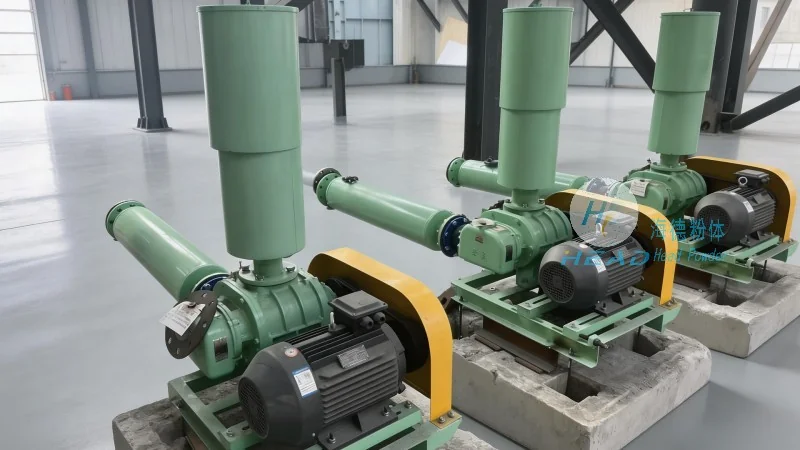
Overview of Potassium Carbonate Pneumatic Conveying Systems
Potassium carbonate, a widely used chemical in industries such as glass manufacturing, food processing, and pharmaceuticals, requires specialized handling equipment to ensure safe and efficient transport. Pneumatic conveying systems offer a non-contact, dust-free method for moving bulk materials like potassium carbonate, making them ideal for applications where contamination and material degradation must be minimized. These systems utilize air or other gases to transport the material through a network of pipes, eliminating the need for mechanical components that could introduce wear or contamination.
Key Components of the Pneumatic Conveying System
The operation of a potassium carbonate pneumatic conveying system involves several critical components, each playing a vital role in the overall process. The primary components include the material hopper, which stores the potassium carbonate and feeds it into the system; the air compressor or blower, which generates the necessary airflow to move the material; the conveying line, which consists of pipes that transport the material from the hopper to the destination; and the receiver or discharge hopper, where the material is collected after transport. Additionally, the system may include accessories like filters to remove dust from the air, valves to control the flow of material and air, and sensors to monitor system performance and ensure safe operation.

Working Principle of the Pneumatic Conveying Process
The working principle of a pneumatic conveying system for potassium carbonate is based on the principle of fluidization and suspension. When air is introduced into the material hopper at a controlled pressure and flow rate, it creates a low-pressure zone that draws the potassium carbonate particles into the conveying line. The air flow then suspends the particles in the air stream, allowing them to be transported through the pipes. The velocity of the air is carefully managed to ensure that the particles remain suspended without settling or causing blockages. As the material travels through the conveying line, it may encounter bends, changes in pipe diameter, or other components that require adjustments to the air flow to maintain consistent transport efficiency.
Operational Process: From Loading to Discharge
The operational process of a potassium carbonate pneumatic conveying system begins with the loading of the material into the hopper. The hopper is typically equipped with a feeding mechanism, such as a rotary valve or a screw feeder, which controls the rate at which the material is released into the system. Once the material is in the hopper, the air compressor starts, and the airflow is adjusted to the optimal level for conveying. The material is then drawn from the hopper and suspended in the air stream, traveling through the conveying line to the receiver. At the discharge end, the air flow is reduced or stopped, allowing the material to settle into the receiver. The system may include a filter to capture any dust or particles that are carried over with the material, ensuring that the air leaving the system is clean and free of contaminants. The entire process is automated and controlled by a system of valves, sensors, and a control panel, which monitors parameters such as pressure, flow rate, and material level to maintain consistent performance.

Advantages of Pneumatic Conveying for Potassium Carbonate Handling
Pneumatic conveying systems offer several advantages when handling potassium carbonate compared to traditional mechanical conveying methods. These include reduced risk of material contamination due to the non-contact nature of the process, lower maintenance requirements as there are fewer mechanical parts involved, and the ability to transport materials over long distances without the need for multiple transfer points. Additionally, the system can be designed to handle varying material flow rates and particle sizes, making it versatile for different applications. The use of air as the conveying medium also allows for the integration of dust collection and filtration systems, which are essential for maintaining air quality and compliance with environmental regulations.

Maintenance and Operational Considerations
To ensure the long-term reliability and efficiency of a potassium carbonate pneumatic conveying system, regular maintenance is essential. This includes inspecting and cleaning the conveying lines and filters to prevent blockages and dust accumulation, checking the air compressor and blower for proper operation, and verifying the performance of the feeding and discharge mechanisms. The system should also be equipped with safety features, such as pressure relief valves and overcurrent protection, to prevent accidents and damage to the equipment. Proper training of operators on the system's operation and maintenance procedures is crucial to maximize the system's lifespan and minimize downtime.
Conclusion
HeadPowder's pneumatic conveying systems for potassium carbonate exemplify the advanced technology and engineering expertise required to handle bulk materials efficiently and safely. By understanding the operational process and working principles of these systems, users can appreciate the benefits of non-contact material handling and the importance of proper system design and maintenance. As a trusted manufacturer based in Shandong, China, HeadPowder continues to innovate and provide high-quality solutions that meet the evolving needs of industries relying on potassium carbonate for their operations.