

Operation Process and Working Principle of Electric Arc Furnace Slag Gas-Solid Transport System Equi
Electric arc furnace slag, a byproduct of steelmaking, requires efficient handling and transportation for recycling or disposal. The gas-solid transport system, developed by Shandong HeadPowder Engineering Co., Ltd. (commonly known as headpowder), offers a reliable solution for this process. This article details the operational workflow and underlying principles of the system, highlighting its key components and performance characteristics.
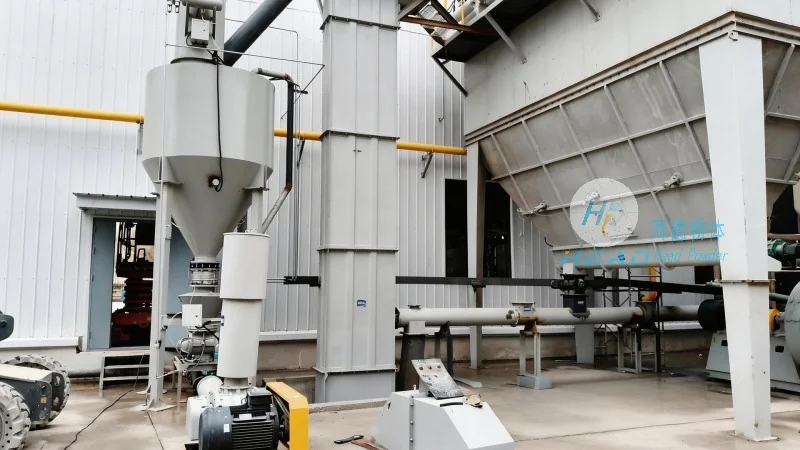
Overview of the System
The gas-solid transport system for electric arc furnace slag purification is a specialized equipment designed to handle the high-temperature, abrasive slag particles generated during steel production. It integrates pneumatic conveying technology with advanced control systems to ensure safe and efficient transport from the slag collection point to the designated disposal or processing site. The system is engineered to meet the demanding conditions of industrial steelmaking environments, including high temperatures, corrosive materials, and continuous operation.
Key Components and Their Functions
The system consists of several critical components that work in tandem to achieve effective gas-solid transport. These include the slag collection hopper, air compressor, conveying pipeline, dust separator, and control unit. Each component plays a vital role in the overall operation:
1. **Slag Collection Hopper**: This is the initial stage where molten slag is collected from the electric arc furnace. The hopper is designed with a high-temperature resistant lining to withstand the heat and abrasion from the slag. It features a discharge valve that controls the release of slag into the conveying system.
2. **Air Compressor**: The compressor generates the necessary air pressure to drive the pneumatic conveying process. It is equipped with a filtration system to ensure the air is clean and free from contaminants that could damage the equipment or affect the slag quality.
3. **Conveying Pipeline**: The pipeline is made of durable materials such as stainless steel or high-grade plastic, chosen for their resistance to corrosion and wear from the abrasive slag particles. The pipeline is designed with bends and valves to direct the flow of slag and air efficiently, minimizing pressure loss and ensuring consistent transport.
4. **Dust Separator**: As the slag is conveyed through the pipeline, fine particles may be carried along with the air. The dust separator is installed at the end of the pipeline to separate these particles from the air stream. It uses a combination of cyclonic separation and filtration to capture the dust, ensuring clean air is released and the slag is collected in a dry, manageable form.
5. **Control Unit**: The control unit monitors and regulates the operation of all components in real-time. It includes sensors to detect pressure, temperature, and flow rates, and adjusts the air compressor output and valve positions as needed to maintain optimal performance. The unit also provides alarms and notifications for any anomalies, ensuring safe and reliable operation.

Operation Process
The operation of the gas-solid transport system follows a sequential process that ensures the efficient movement of electric arc furnace slag. The steps are as follows:
1. **Slag Collection**: Molten slag is poured into the collection hopper from the electric arc furnace. The hopper’s discharge valve is opened to allow the slag to flow into the conveying pipeline.
2. **Air Compression**: The air compressor starts and generates high-pressure air. The air is directed into the pipeline, creating a flow that carries the slag particles.
3. **Conveying**: The high-pressure air pushes the slag particles through the pipeline. The pipeline’s design, including bends and valves, guides the flow to the destination, such as a storage silo or disposal site.
4. **Dust Separation**: At the end of the pipeline, the dust separator captures the fine slag particles from the air stream. The clean air is released, and the collected slag is deposited in a container.
5. **System Monitoring**: The control unit continuously monitors the system’s performance, adjusting parameters as needed to maintain optimal pressure, flow, and temperature. Any issues are detected and addressed promptly to prevent downtime.
Working Principle
The core principle of the gas-solid transport system is pneumatic conveying, which uses compressed air to transport solid particles. The system operates on the principle of creating a pressure differential between the inlet and outlet of the pipeline. The high-pressure air at the inlet generates a flow that entrains the slag particles, lifting them from the hopper and moving them through the pipeline. The velocity of the air is critical; it must be sufficient to overcome the gravitational force of the slag and any frictional losses in the pipeline.
The system also employs a combination of positive and negative pressure conveying. In the initial stages, positive pressure is used to push the slag from the hopper, while negative pressure may be used in the later stages to draw the air and slag particles out of the pipeline. This dual approach ensures efficient transport over long distances and varying elevations.

Another key principle is the separation of air and slag at the end of the pipeline. The dust separator uses centrifugal force to separate the heavier slag particles from the lighter air. The cyclonic design causes the air to swirl, and the slag particles are forced to the outer wall and fall into the collection container, while the air is directed to the exhaust system.
Performance and Advantages
The gas-solid transport system for electric arc furnace slag purification offers several advantages over traditional methods, such as bucket elevators or belt conveyors. These advantages include:
1. **High Efficiency**: The system can transport large volumes of slag over long distances with minimal energy consumption. The pneumatic conveying process is continuous, reducing downtime and increasing productivity.
2. **Low Maintenance**: The components are designed for durability and minimal wear. The use of high-quality materials and advanced control systems reduces the need for frequent maintenance, lowering operational costs.
3. **Safety**: The system operates in a closed pipeline, preventing dust emissions and minimizing the risk of accidents. The high-temperature resistant materials and safety features ensure safe handling of the slag.
4. **Flexibility**: The system can be easily adjusted to handle different types of slag or to change the destination of the transport. The control unit allows for real-time adjustments, making it adaptable to varying production conditions.
Conclusion
The gas-solid transport system developed by Shandong HeadPowder Engineering Co., Ltd. provides an efficient and reliable solution for handling electric arc furnace slag. By integrating advanced pneumatic conveying technology with robust control systems, the system ensures safe, continuous, and high-performance transport of slag from the furnace to the disposal or processing site. With its durable components, low maintenance requirements, and flexible operation, this system is an essential equipment for modern steelmaking facilities, contributing to improved productivity and environmental compliance.