

Operation Process and Working Principle of Ammonium Bicarbonate Powder Conveying
Ammonium bicarbonate, a white crystalline powder widely utilized in food processing, pharmaceuticals, and chemical industries, necessitates efficient and reliable conveying systems to ensure smooth material handling. The operation process and working principle of such systems are pivotal for maintaining product quality and operational efficiency. This article provides a detailed overview of the key aspects involved in the conveying of ammonium bicarbonate powder, highlighting technical considerations and practical applications.
Company Overview: Shandong HeadPowder Engineering Co., Ltd.
Headpowder, operating as Shandong HeadPowder Engineering Co., Ltd., is a leading provider of specialized engineering solutions for powder handling and material transport. With a focus on innovation and precision, the company has established itself as a trusted partner in the industry, delivering tailored systems that meet the unique demands of various applications. Headpowder is headquartered in Shandong, China, and has a strong reputation for its expertise in designing and manufacturing efficient conveying equipment, ensuring optimal performance and durability for demanding environments.
Key Components of Ammonium Bicarbonate Powder Conveying Systems
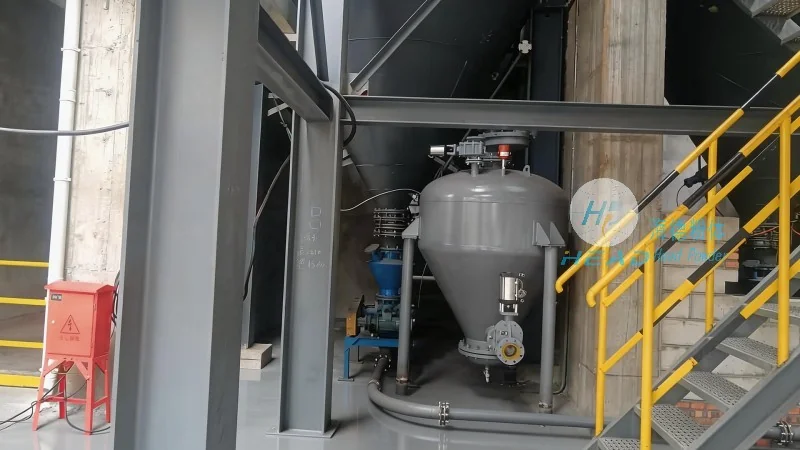
The operation of ammonium bicarbonate powder conveying systems involves several critical components that work in tandem to ensure effective material transport. These components include hoppers, feeders, conveyors, and control systems, each playing a vital role in the overall process. Hoppers are used to store and feed the powder, while feeders regulate the flow rate to maintain consistent material delivery. Conveyors, such as pneumatic or mechanical systems, transport the powder from the source to the destination, with control systems monitoring and adjusting the process parameters to prevent issues like blockages or uneven flow.

Working Principle of the Conveying Process
The working principle of ammonium bicarbonate powder conveying systems is based on the principles of fluidization and air movement. In pneumatic conveying systems, for example, compressed air is used to create a flow of air and powder mixture, transporting the material through pipelines. The air velocity is carefully controlled to ensure that the powder particles remain suspended and move smoothly without causing blockages. Mechanical conveyors, such as screw or belt conveyors, rely on mechanical motion to move the powder, often in conjunction with air assistance to reduce friction and improve efficiency. The system’s design considers factors like particle size, moisture content, and bulk density of the ammonium bicarbonate to optimize the conveying process and prevent material degradation.
Operation Process: Step-by-Step Overview
The operation process of ammonium bicarbonate powder conveying systems typically follows a structured sequence to ensure efficient material handling. The first step involves loading the powder into the hopper, where it is stored and prepared for transport. The feeder then regulates the flow rate, controlling the amount of powder released into the conveyor system. The conveyor transports the powder through the pipeline or along the conveyor path, with monitoring systems checking for any blockages or irregularities. At the destination, the powder is discharged into the receiving container, completing the process. This step-by-step approach ensures that the conveying operation is carried out smoothly and efficiently, minimizing downtime and maximizing productivity.

Technical Considerations for Efficient Conveying
Several technical considerations are essential for the efficient operation of ammonium bicarbonate powder conveying systems. One key factor is the choice of conveyor type, which depends on the specific application and material properties. Pneumatic systems are suitable for fine powders like ammonium bicarbonate, as they can handle high volumes and long distances with minimal maintenance. Mechanical systems, on the other hand, are ideal for bulkier materials or when air quality is a concern. The system’s design also considers the material’s flow characteristics, such as its angle of repose and compressibility, to prevent issues like bridging or rat-holing in the hopper. Additionally, the use of appropriate sealing and cleaning mechanisms is crucial to maintain product purity and prevent contamination.
Benefits of Properly Functioning Conveying Systems
Efficient ammonium bicarbonate powder conveying systems offer several benefits that contribute to overall operational success. By ensuring consistent material flow, these systems help maintain product quality and prevent contamination, which is critical in industries like food and pharmaceuticals. The use of advanced control systems allows for real-time monitoring and adjustment, reducing the risk of process disruptions and minimizing waste. Additionally, well-designed conveying systems can improve productivity by reducing downtime and increasing throughput, leading to cost savings and enhanced competitiveness. The reliability of these systems also contributes to safer working conditions, as they minimize the risk of material spills or blockages that could lead to accidents.