

Operation Process and Working Principle of Corn Stalk Powder Conveying
At Shandong HeadPowder Engineering Co., Ltd., we specialize in the design and implementation of efficient corn stalk powder conveying systems. These systems are crucial for handling the bulk material efficiently, ensuring smooth operation in agricultural processing facilities. The following sections detail the operation process and working principles of such systems, highlighting the key components and mechanisms involved.

Key Components of Corn Stalk Powder Conveying Systems
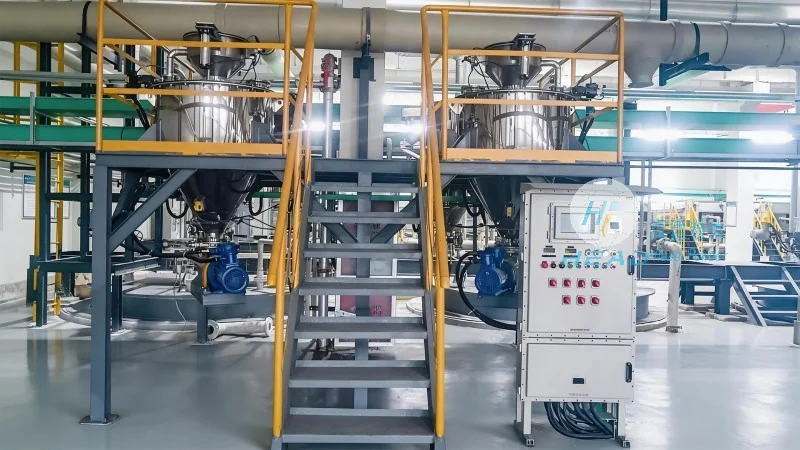
The corn stalk powder conveying system typically consists of several core components that work in tandem to ensure reliable material transport. These include a hopper for material storage, a conveyor mechanism (such as a screw conveyor or pneumatic system), and control systems for regulating the flow. The headpowder team designs these systems to accommodate the unique properties of corn stalk powder, including its bulk density, moisture content, and particle size distribution. By integrating high-quality materials and advanced engineering, our systems ensure minimal material degradation and consistent performance.

Operation Process of Corn Stalk Powder Conveying
The operation process of a corn stalk powder conveying system begins with the material being fed into the hopper. The hopper is designed with a sloped bottom to facilitate gravity-driven flow into the conveyor. Once the material reaches the conveyor, it is transported to the discharge point. For systems using screw conveyors, the rotating screw pushes the material forward, while pneumatic systems utilize air pressure to move the powder through pipes. The control system monitors the flow rate and pressure, adjusting the conveyor speed or air pressure as needed to maintain optimal performance. This process ensures that the corn stalk powder is conveyed safely and efficiently, minimizing downtime and maximizing throughput.
Working Principle of Corn Stalk Powder Conveying
The working principle of corn stalk powder conveying systems is based on the principles of fluidization and mechanical transport. In mechanical systems like screw conveyors, the rotating screw creates a continuous movement that propels the material forward. The design of the screw, including its pitch and diameter, is critical for achieving the desired flow rate and minimizing friction. For pneumatic systems, the principle of air pressure is utilized, where compressed air is used to create a flow that carries the powder through the pipeline. The system’s efficiency depends on the proper selection of air velocity and pressure to prevent material settling or blockages. Additionally, the system incorporates safety features such as pressure relief valves and material sensors to ensure safe operation and prevent accidents.
Advantages of Using HeadPowder Conveying Systems
Shandong HeadPowder Engineering Co., Ltd. offers several advantages with our corn stalk powder conveying systems. Our systems are designed for high efficiency, with minimal energy consumption and low maintenance requirements. The use of durable materials ensures long service life, reducing replacement costs over time. The systems are also highly customizable, allowing us to tailor the design to the specific needs of our clients, including different material properties and processing requirements. Furthermore, our team provides comprehensive support, including installation, training, and maintenance services, ensuring that our clients can maximize the benefits of their conveying systems.

Conclusion
At Shandong HeadPowder Engineering Co., Ltd., we are committed to providing reliable and efficient corn stalk powder conveying systems. Our systems are designed based on advanced engineering principles, ensuring optimal performance and minimal material loss. By understanding the operation process and working principles of these systems, clients can make informed decisions about their material handling needs. With our expertise and commitment to quality, headpowder is the ideal partner for all corn stalk powder conveying requirements.