

Operation Process and Working Principle of Dust-Free Automatic Powder Handling Systems
Shandong HeadPowder Engineering Co., Ltd., headquartered in Shandong, China, is a prominent manufacturer specializing in the development and implementation of advanced dust-free automatic powder handling systems. These systems are engineered to deliver efficient, safe, and reliable transport of powders across various industrial sectors, including pharmaceuticals, food processing, and chemical manufacturing. The company's dedication to precision engineering and innovation has established it as a trusted partner for businesses seeking to optimize their powder handling operations.

Core Components and Functional Architecture
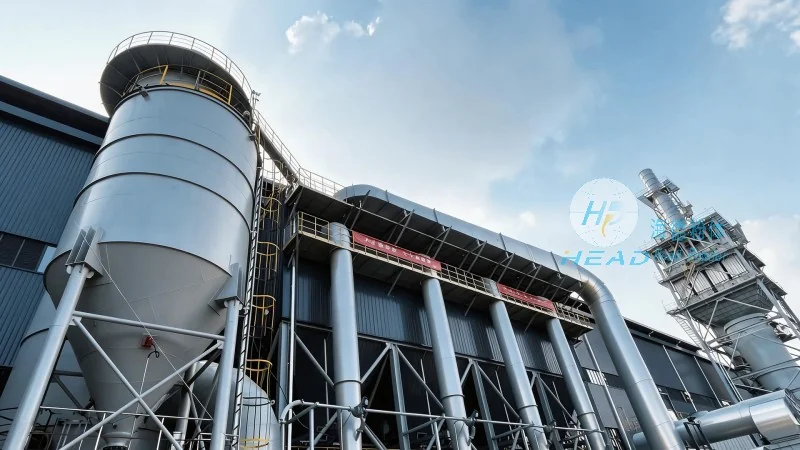
The dust-free automatic powder handling system operates through a closed-loop, integrated design that minimizes exposure to airborne particles and ensures product integrity. Key components include dust collection units, pneumatic conveying lines, automated feeding mechanisms, and control systems, all working in unison to maintain a sterile environment. The system's architecture prioritizes containment, with sealed hoppers, ducts, and valves that prevent cross-contamination and dust dispersion.
Step-by-Step Operation Process
The operation begins with the loading of the powder into a sealed storage hopper or container. This initial step ensures the material remains within a controlled environment, avoiding external contamination. Once loaded, the system activates its pneumatic conveying system, which uses compressed air to transport the powder through a network of pipes and ducts. The conveying process is carefully regulated to maintain consistent flow rates and pressure, preventing clogging or degradation of the powder.

During transport, the system employs real-time monitoring and control. Sensors are strategically placed throughout the conveying lines to detect pressure, flow, and temperature changes, providing immediate feedback to the control system. This allows for dynamic adjustments to maintain optimal operating conditions. Additionally, a dust collection module captures any particles that may escape, ensuring the environment remains clean and compliant with industry standards.
Working Principle: Closed-System Conveyance
The working principle centers on a closed system to prevent dust and particles from entering or exiting. The system utilizes vacuum or pressure technologies depending on application needs. For vacuum conveying, it creates negative pressure to draw powder from the source to the destination; for pressure conveying, positive pressure pushes the material through the lines. Filtration and separation technologies are integrated to remove fine particles or contaminants as the powder travels, ensuring only the desired material reaches the final destination.
Automated valves and control mechanisms regulate the flow, preventing overfilling or underfilling of containers and maintaining product uniformity. The system's precision and consistency are critical for applications where product quality directly impacts consumer safety and regulatory compliance.

Benefits of Implementing the System
Adopting a dust-free automatic powder handling system offers significant advantages. It reduces the risk of dust explosions and fires by minimizing airborne particles, enhancing workplace safety. It also improves product quality by preventing contamination, ensuring compliance with stringent industry standards. The automated nature of the system boosts operational efficiency and reduces labor costs, achieving higher throughput with minimal human intervention. Precision and consistency lead to improved product uniformity, which is vital in sectors like pharmaceuticals and food processing.
Conclusion: A Reliable Solution for Modern Needs
Shandong HeadPowder Engineering Co., Ltd. provides customized dust-free automatic powder handling systems, combining advanced technology with expert engineering to meet diverse industrial requirements. By understanding each application's unique needs, the company designs solutions that optimize performance, safety, and cost-effectiveness. The operation process and working principle are meticulously engineered to ensure reliable and efficient powder transport, making these systems essential for modern industrial operations.