

Operation Process and Working Principle of Dicalcium Phosphate Powder Conveying Line
For industries dealing with dicalcium phosphate (DCP) powder, the efficient and reliable operation of a powder conveying line is crucial to ensure smooth production and product quality. This article provides an in-depth look at the operation process and working principle of a dicalcium phosphate powder conveying line, highlighting the key components and steps involved in its functionality. The information is presented by Shandong HeadPowder Engineering Co., Ltd., a leading manufacturer based in China.

Company Profile and Background
Shandong HeadPowder Engineering Co., Ltd. is a professional enterprise specializing in the design, manufacturing, and installation of powder handling systems. With a strong focus on innovation and quality, the company has established itself as a trusted partner in the chemical and food processing sectors. HeadPowder's expertise lies in creating customized conveying solutions that meet the specific needs of clients, ensuring optimal performance and durability. The company is located in Shandong, China, and serves a global clientele with its advanced technology and comprehensive service offerings.
Overview of the Dicalcium Phosphate Powder Conveying Line
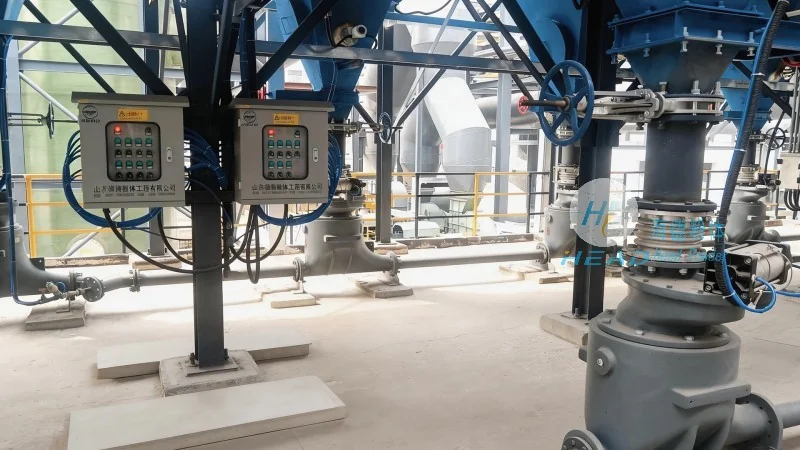
A dicalcium phosphate powder conveying line is a system designed to transport DCP powder from storage silos or production areas to processing units or packaging stations. The line typically consists of several key components, including hoppers, feeders, conveyors, and control systems. Each component plays a vital role in the overall operation, ensuring that the powder is moved safely and efficiently. The design of the line is tailored to handle the specific properties of DCP powder, such as its flowability and potential for caking, to prevent blockages and maintain consistent throughput.
Step-by-Step Operation Process
The operation of a dicalcium phosphate powder conveying line involves a series of coordinated steps that ensure the smooth transfer of material. The process begins with the loading of DCP powder into the storage hopper. The hopper is equipped with a level indicator to monitor the powder volume, and a discharge valve controls the flow of material into the feeder. The feeder, often a rotary or vibratory type, regulates the flow rate of the powder, preventing overloading and ensuring a steady supply to the conveyor. The conveyor, which can be a screw conveyor, pneumatic conveyor, or bucket elevator, transports the powder to the next stage of the process. At the receiving end, a discharge hopper or silo collects the material, ready for further processing or packaging. The entire system is controlled by a programmable logic controller (PLC), which monitors parameters like pressure, flow rate, and temperature to maintain optimal operation. Regular maintenance and cleaning procedures are also part of the operation process to prevent contamination and ensure the longevity of the equipment.
Working Principle of the Conveying System
The working principle of a dicalcium phosphate powder conveying line is based on the principles of powder mechanics and fluid dynamics. The system utilizes mechanical or pneumatic forces to move the powder through the conveying line. In a mechanical conveyor system, such as a screw conveyor, the rotating screw blade pushes the powder forward, creating a positive pressure that propels the material. The speed of the screw and the pitch of the blades are carefully designed to match the flowability of DCP powder, ensuring minimal friction and energy consumption. In a pneumatic conveyor system, compressed air is used to create a negative pressure that draws the powder into the pipeline. The air flow is controlled by valves and regulators to maintain a consistent velocity, preventing dust generation and ensuring the powder is transported without degradation. The control system, integrated with sensors and feedback mechanisms, adjusts the conveying parameters in real-time to respond to changes in powder characteristics or system conditions. This dynamic adjustment ensures that the line operates efficiently and safely, minimizing downtime and maximizing productivity.

Key Components and Their Functions
Several critical components contribute to the effective operation of a dicalcium phosphate powder conveying line. The storage hopper is the initial point of the system, designed to hold a large volume of DCP powder while maintaining a consistent feed. It is equipped with a discharge valve that regulates the flow of material into the feeder. The feeder is a crucial component that controls the rate of powder discharge from the hopper. It ensures that the conveyor receives a steady flow of material, preventing surges or gaps that could lead to blockages. The conveyor itself is the heart of the system, responsible for transporting the powder from the feeder to the discharge point. Screw conveyors are commonly used due to their ability to handle bulk materials and their compact design. Pneumatic conveyors are also employed for longer distances or when the powder needs to be transported through vertical or horizontal paths. The discharge hopper at the end of the line collects the powder and may include a level sensor to trigger additional conveying when the hopper is full. The control panel, integrated with the PLC, monitors all system parameters and allows operators to adjust settings as needed. Sensors for temperature, pressure, and flow rate provide real-time data, enabling proactive maintenance and troubleshooting.
Advantages and Benefits of the Conveying Line
The implementation of a dicalcium phosphate powder conveying line offers several advantages for industrial operations. Firstly, it enhances production efficiency by automating the material handling process, reducing the need for manual labor and minimizing human error. The consistent flow of powder ensures that processing units receive a steady supply, preventing bottlenecks and maintaining production rates. Secondly, the system improves product quality by reducing contamination and exposure to air, which can affect the properties of DCP powder. The enclosed design of the conveying line prevents dust and moisture from entering the system, maintaining the purity of the material. Thirdly, the system is energy-efficient, with optimized designs that minimize power consumption while maximizing throughput. The use of advanced control systems allows for energy savings by adjusting the conveying speed based on demand. Finally, the modular design of the line allows for easy expansion or modification as production needs change, providing flexibility to growing businesses. Overall, the dicalcium phosphate powder conveying line is a critical asset for industries that rely on DCP powder, offering a reliable and efficient solution for material handling.