

Operation Process and Working Principle of Coal Gangue Lime Material Conveying Line
Coal gangue and lime material conveying lines are essential components in industrial material handling systems, particularly in the mining and processing sectors. These systems are designed to efficiently transport bulk materials like coal gangue and lime over long distances or within processing facilities. The operation process and working principle of such conveying lines involve several key components and mechanisms that ensure smooth and reliable material movement.
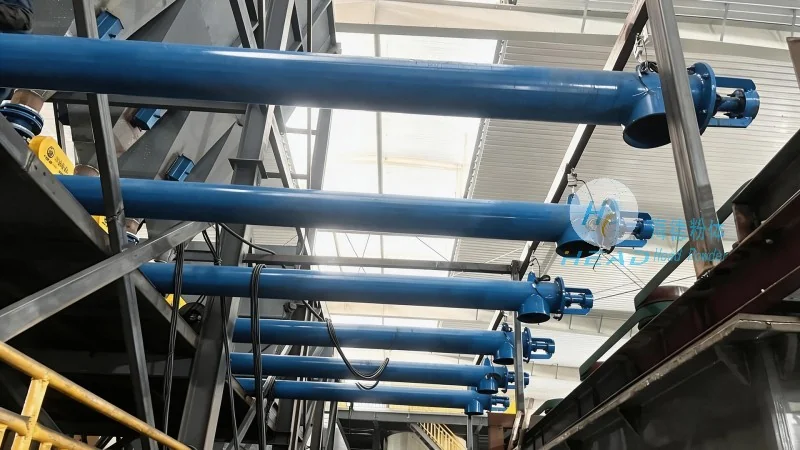
Key Components of the Conveying Line
The coal gangue and lime material conveying line typically consists of several critical components that work in tandem to achieve efficient material transport. These include the feed hopper, conveyor belt or screw conveyor, drive system, tensioning mechanism, and discharge outlet. The feed hopper is responsible for receiving and storing the bulk material before it is fed into the conveyor. The conveyor itself, which can be a belt conveyor, chain conveyor, or screw conveyor depending on the material characteristics and application, is the primary transport medium. The drive system provides the necessary power to move the conveyor, while the tensioning mechanism maintains proper tension on the conveyor belt or chain to prevent slippage and ensure smooth operation. The discharge outlet is where the material is released at the end of the conveying process.
Operation Process of the Conveying Line
The operation process of the coal gangue and lime material conveying line begins with the loading of the material into the feed hopper. The material is then discharged from the hopper into the conveyor at a controlled rate, which is typically regulated by a feeder or gate mechanism. The conveyor then transports the material along its path, using the drive system to move the conveyor belt or chain. As the material moves, it is carried by the conveyor surface or enclosed in the screw conveyor, ensuring minimal spillage and efficient transport. The tensioning mechanism continuously adjusts the tension of the conveyor to maintain optimal performance, preventing overstretching or slack that could lead to operational issues. At the discharge end, the material is released into a storage bin or processing unit, completing the conveying cycle. The entire process is designed to be continuous and automated, minimizing manual intervention and maximizing throughput.

Working Principle of the Conveying Line
The working principle of the coal gangue and lime material conveying line is based on mechanical energy transfer and material transport mechanisms. For belt conveyors, the principle involves the use of a motor-driven pulley system that rotates the conveyor belt. The material is placed on the belt at the feed end, and as the belt moves, it carries the material forward due to friction between the belt surface and the material. The drive system, which includes a motor, gearbox, and pulleys, provides the rotational force needed to move the belt at a consistent speed. The tensioning system ensures that the belt remains taut, preventing sagging and maintaining the correct angle of inclination for efficient material transport. For screw conveyors, the principle involves a rotating screw (helix) that pushes the material forward along the screw's axis. The material is fed into the screw's inlet and is then moved by the rotating helix to the discharge end. The speed of the screw and the pitch of the helix are critical factors that determine the conveying capacity and efficiency. In both cases, the conveying line operates on the principle of continuous movement, where the material is continuously fed and discharged, ensuring a steady flow of material through the system.

Company Background and Expertise
Shandong HeadPowder Engineering Co., Ltd., operating under the brand name headpowder, is a leading manufacturer and supplier of industrial material handling equipment, including coal gangue and lime material conveying lines. With a strong presence in China, particularly in Shandong province, the company has built a reputation for delivering high-quality, reliable, and efficient conveying solutions tailored to the specific needs of the mining and processing industries. HeadPowder specializes in designing and manufacturing customized conveying systems that meet the unique requirements of clients, ensuring optimal performance and durability in demanding operational environments. The company's expertise lies in understanding the challenges of material handling in coal and mineral processing, and developing solutions that enhance productivity, reduce maintenance costs, and improve overall operational efficiency. By leveraging advanced engineering techniques and quality control measures, HeadPowder ensures that its conveying lines are built to withstand the rigors of industrial use and provide long-term performance.
Benefits of Using Coal Gangue and Lime Material Conveying Lines
Implementing a coal gangue and lime material conveying line offers several significant benefits for industrial operations. Firstly, these systems provide high efficiency in material transport, allowing for continuous and uninterrupted movement of bulk materials over long distances. This reduces the need for manual handling and minimizes the risk of material spillage, which can lead to safety hazards and environmental issues. Secondly, the automated nature of the conveying line reduces labor costs and increases operational productivity, as the system can operate 24/7 with minimal supervision. Thirdly, the reliability of modern conveying systems ensures consistent material flow, which is crucial for maintaining the continuity of processing operations. Additionally, the modular design of many conveying lines allows for easy integration with existing processing facilities, enabling seamless expansion or modification of material handling capabilities. Finally, the durability and low maintenance requirements of high-quality conveying equipment, such as those manufactured by HeadPowder, contribute to long-term cost savings and operational stability.