

Operation Process and Working Principle of Wheat Starch Material Conveying Line
Wheat starch material conveying lines are essential in the starch processing industry, designed to efficiently transport raw materials and finished products with precision and reliability. This article provides a detailed overview of the operation process and working principles of such systems, highlighting the key components and mechanisms that ensure smooth and efficient material handling. The information is based on the expertise of Shandong HeadPowder Engineering Co., Ltd., a leading manufacturer of industrial conveying systems in China.

Introduction to Wheat Starch Material Conveying Lines
Wheat starch material conveying lines are specialized systems used in the starch production industry to transport raw wheat, intermediate products, and final starch products. These lines are engineered to handle the unique characteristics of wheat starch, such as moisture content, particle size, and flowability. The primary goal is to ensure consistent and safe material movement from one processing stage to another, minimizing downtime and maximizing productivity. The system typically integrates various components like hoppers, conveyors, elevators, and control systems to achieve seamless operation. Shandong HeadPowder Engineering Co., Ltd. specializes in designing and manufacturing such systems tailored to the specific needs of starch processing facilities.

Key Components of the Conveying Line
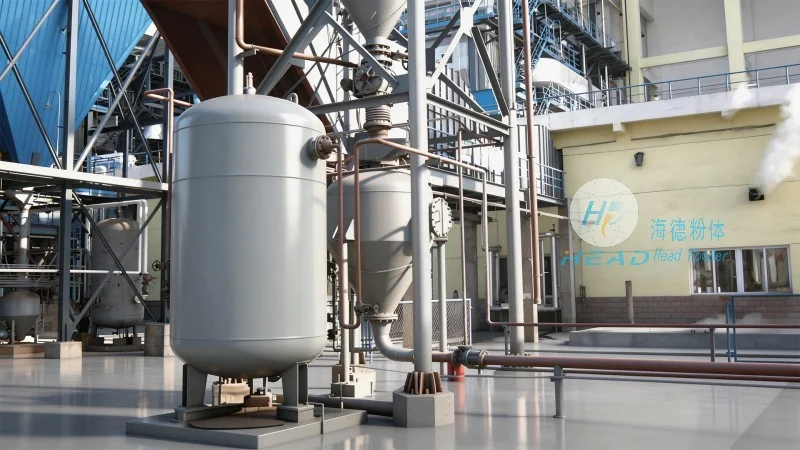
The wheat starch material conveying line consists of several critical components that work in tandem to facilitate material transport. The main components include feed hoppers, which store and feed raw wheat into the system; screw conveyors or belt conveyors, which move materials horizontally or vertically; elevators, which lift materials to higher levels; and control panels, which monitor and regulate the entire process. Each component is designed to handle the specific characteristics of wheat starch, ensuring efficient and safe operation. For instance, the feed hoppers are equipped with level sensors to prevent overfilling, while the conveyors are constructed with materials resistant to starch and moisture to avoid corrosion and material buildup. The company ensures that all components are made from high-quality materials to withstand the harsh conditions of starch processing.

Operation Process of the Conveying Line
The operation of a wheat starch material conveying line begins with the raw wheat being fed into the system through the feed hoppers. The hoppers are typically equipped with agitators or vibrators to ensure uniform material flow and prevent clogging. Once the raw wheat enters the conveyor system, it is transported to the first processing stage, such as grinding or milling. The conveyor system may include multiple segments, with each segment handling a specific part of the material flow. For example, a horizontal screw conveyor may transport the wheat from the hopper to a grinder, while a vertical elevator may lift the ground material to the next processing unit. The control system continuously monitors the flow rate, pressure, and temperature of the material, adjusting the speed of the conveyors as needed to maintain optimal conditions. The company's control systems are equipped with advanced sensors that provide real-time data for better process management.
Working Principle of the Conveying Line
The working principle of a wheat starch material conveying line is based on mechanical energy transfer and material flow dynamics. The system utilizes gravity and mechanical force to move materials through the various components. For horizontal transport, screw conveyors or belt conveyors are used, where the rotating screw or moving belt pushes the material forward. For vertical transport, elevators use a series of buckets or a belt with attached buckets to lift the material upward. The control system plays a crucial role in regulating the speed and direction of the conveyors, ensuring that the material moves at the correct rate and to the correct destination. Sensors and detectors are integrated throughout the system to detect any blockages, overloads, or abnormalities, triggering alarms or automatic shutdowns to prevent damage to the equipment or material loss. Shandong HeadPowder Engineering Co., Ltd. designs its systems with robust safety features to comply with industry standards.
Advantages of Wheat Starch Material Conveying Lines
Wheat starch material conveying lines offer several advantages in the starch processing industry. Firstly, they provide efficient and continuous material transport, reducing the need for manual handling and minimizing labor costs. Secondly, the system ensures consistent material flow, which improves the quality and uniformity of the final starch product. Thirdly, the automated control system enhances safety by preventing accidents and reducing the risk of material exposure to contaminants. Additionally, the modular design of the conveying line allows for easy expansion or modification to accommodate changes in production volume or processing requirements. The company's products are known for their durability and low maintenance requirements.