

Operation Process and Working Principle of PVC Powder Material Handling System Equipment
Shandong HeadPowder Engineering Co., Ltd., a leading manufacturer based in Shandong, China, specializes in the design and production of efficient PVC powder material handling systems. These systems are crucial for industries dealing with PVC powders, as they ensure safe, reliable, and efficient transportation of the material from storage to processing units. The following article delves into the operation process and working principles of such systems, highlighting the key components and their functions.

Key Components of a PVC Powder Material Handling System
The PVC powder material handling system typically consists of several core components that work in tandem to facilitate the smooth flow of material. These components include hoppers, feeders, conveyors, and control systems. Each component plays a vital role in ensuring the system operates efficiently and safely.
1. **Hoppers**: Hoppers are used to store and feed the PVC powder into the system. They are designed with a conical or rectangular shape to maintain a consistent material level and prevent blockages. The hopper's design also helps in controlling the flow rate of the powder, which is critical for preventing overloading or underloading of downstream equipment.
2. **Feeders**: Feeders are responsible for regulating the flow of PVC powder from the hopper to the conveyor. Common types of feeders include screw feeders, vibratory feeders, and rotary valves. These devices ensure a steady and controlled flow rate, which is essential for maintaining the system's performance and preventing material degradation.
3. **Conveyors**: Conveyors are the primary means of transporting the PVC powder from one location to another. There are various types of conveyors used in such systems, including belt conveyors, screw conveyors, and pneumatic conveyors. The choice of conveyor depends on factors like the material's properties, the distance to be covered, and the required flow rate.
4. **Control Systems**: Control systems are integral to the operation of the PVC powder material handling system. They monitor and regulate the flow of material, ensuring that the system operates within safe parameters. These systems typically include sensors, controllers, and indicators that provide real-time feedback on the system's performance.
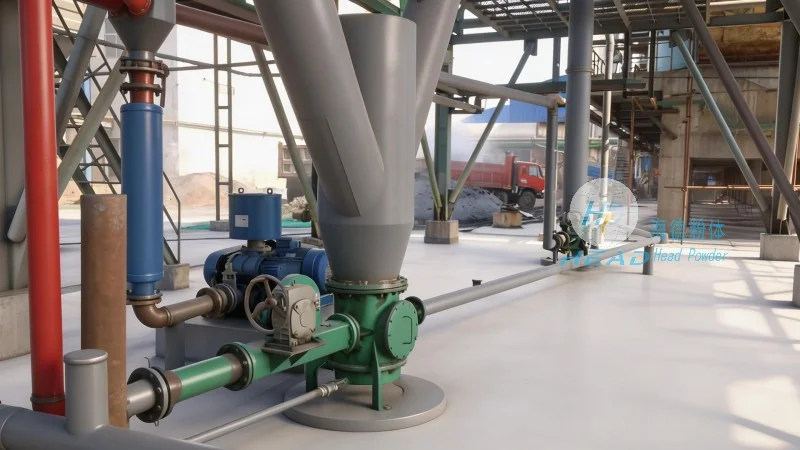
Operation Process of the PVC Powder Material Handling System
The operation process of a PVC powder material handling system involves several steps, starting from the initial storage of the material to its final delivery to the processing unit. The following is a detailed breakdown of the typical operation process:
1. **Material Storage**: The PVC powder is stored in the hopper. The hopper is filled with the material, and its level is monitored by sensors. When the material level reaches a certain threshold, the system is triggered to start the feeding process.
2. **Feeding Process**: The feeder regulates the flow of the PVC powder from the hopper to the conveyor. The feeder ensures that the material is fed at a consistent rate, which is crucial for maintaining the conveyor's performance and preventing material buildup.
3. **Conveying Process**: The conveyor transports the PVC powder from the hopper to the processing unit. The conveyor's speed and direction are controlled by the control system, which adjusts based on the material flow rate and system load.
4. **Delivery to Processing Unit**: The PVC powder is delivered to the processing unit, such as a mixer or extruder. The control system ensures that the material is delivered at the correct rate and in the correct quantity, meeting the requirements of the processing operation.

Working Principle of the PVC Powder Material Handling System
The working principle of a PVC powder material handling system is based on the principles of material flow and control. The system uses a combination of mechanical and electrical components to ensure the safe and efficient transportation of the PVC powder. The key principles include:
1. **Mechanical Conveying**: The mechanical components, such as the hopper, feeder, and conveyor, work together to move the PVC powder from one location to another. The mechanical force applied to the material is sufficient to overcome the friction and gravity, allowing the material to flow smoothly.
2. **Controlled Flow Regulation**: The control system regulates the flow rate of the PVC powder by adjusting the speed of the feeder and conveyor. This ensures that the material is transported at a consistent rate, preventing overloading or underloading of the downstream equipment.
3. **Safety and Reliability**: The system is designed with safety features to prevent accidents and ensure reliable operation. These features include sensors that detect blockages or overfilling, and alarms that alert operators to any issues. The control system also monitors the system's performance and adjusts parameters as needed to maintain optimal operation.
Benefits of Using a PVC Powder Material Handling System
Implementing a PVC powder material handling system offers several benefits to industries dealing with PVC powders. These benefits include:

1. **Increased Efficiency**: The system ensures a consistent and controlled flow of material, reducing downtime and increasing production efficiency.
2. **Improved Safety**: The system is designed with safety features to prevent accidents and ensure the well-being of operators.
3. **Reduced Material Loss**: The system minimizes material loss during transportation, as the material is transported in a closed system, preventing spillage and contamination.
4. **Cost Savings**: The system reduces labor costs by automating the material handling process and minimizes material waste, leading to overall cost savings.
Conclusion
Shandong HeadPowder Engineering Co., Ltd. provides high-quality PVC powder material handling systems that are designed to meet the specific needs of industries dealing with PVC powders. These systems are efficient, reliable, and safe, ensuring the smooth operation of production processes. By understanding the operation process and working principles of such systems, industries can make informed decisions when selecting and implementing material handling solutions.