

Operation Process and Working Principle of Pneumatic Conveying for Nickel Powder Materials
HeadPowder, a leading engineering company based in Shandong, China, specializes in the design and implementation of pneumatic conveying systems tailored for handling nickel powder materials. The operation of such systems involves a sophisticated process that ensures efficient and reliable material transport, which is crucial for industries dealing with fine powders like nickel.

Understanding Pneumatic Conveying Systems
Pneumatic conveying, also known as pneumatic transport, is a method of transporting bulk materials through a pipeline using a gas stream, typically air. This technology is widely adopted in the chemical, mining, and metal processing industries due to its ability to handle delicate and abrasive materials without causing degradation or contamination. For nickel powder, which is often used in battery manufacturing, catalysts, and other high-value applications, the choice of an appropriate conveying system is critical to maintain material integrity and process efficiency.
The Working Principle of Nickel Powder Pneumatic Conveying
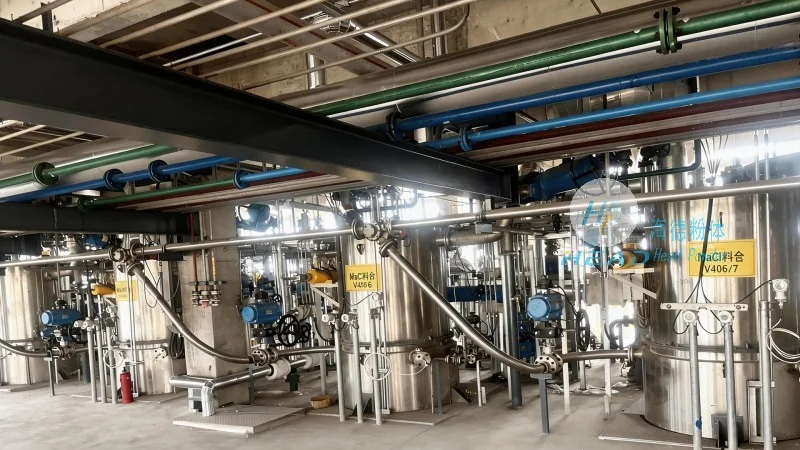
The core principle of pneumatic conveying for nickel powder involves creating a flow of air within a closed pipeline system. The process typically starts with the material being introduced into the conveying line, either by a hopper or a feeder. As the air is introduced at a high velocity, it creates a negative pressure or a positive pressure (depending on the system type) that pulls or pushes the powder particles along the pipeline. There are two main types of pneumatic conveying systems: dilute-phase and dense-phase. Dilute-phase systems operate at higher air velocities, suitable for fine powders like nickel where particle separation is minimal. Dense-phase systems, on the other hand, use lower air velocities and higher material concentrations, which is beneficial for handling more abrasive or cohesive materials, ensuring a more controlled and stable flow.

Key Components in the Pneumatic Conveying Process
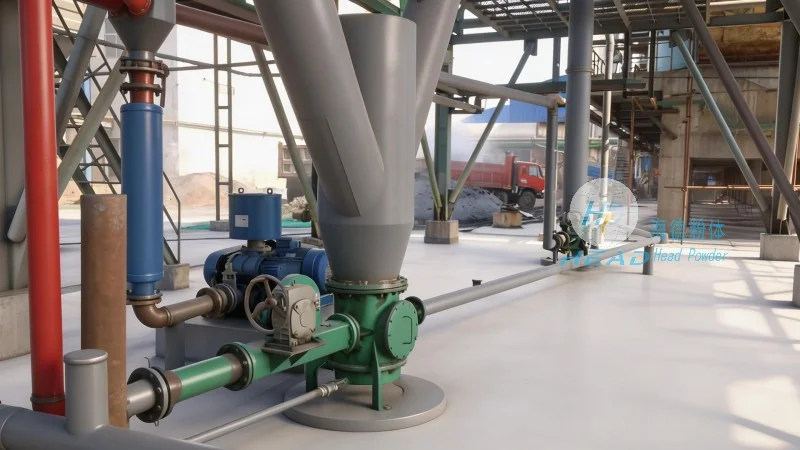
Several key components are integral to the efficient operation of a nickel powder pneumatic conveying system. These include the material feed hopper, which provides a consistent supply of powder to the system; the air compressor or blower, which generates the necessary air pressure and flow; the conveying pipeline, which transports the material from the source to the destination; and the control valves and regulators, which manage the air flow and pressure to maintain optimal conveying conditions. Additionally, filters and cyclones are used to separate the air from the powder at the discharge point, ensuring that the material is collected without contamination and the air is safely vented or recycled. The design of these components is crucial, as they directly impact the system's performance, energy consumption, and overall reliability.
Operation Process of a Nickel Powder Pneumatic Conveying System
The operation process of a typical nickel powder pneumatic conveying system involves several sequential steps. First, the nickel powder is stored in a hopper or silo and is fed into the conveying line through a feeder, which controls the flow rate to match the system's capacity. Next, the air compressor or blower starts operating, generating the required air pressure and velocity. The air then mixes with the powder in the pipeline, creating a suspension that is conveyed to the destination point. At the receiving end, a cyclone or filter separates the powder from the air, allowing the powder to be collected in a bin or storage container. The air, now free of powder particles, is either vented to the atmosphere or recycled back into the system to improve energy efficiency. Throughout the process, sensors and control systems monitor key parameters such as pressure, flow rate, and temperature, ensuring that the system operates within safe and optimal conditions. Any deviations are automatically adjusted to maintain consistent performance and prevent system failures.
Benefits and Considerations for Nickel Powder Pneumatic Conveying
Implementing a pneumatic conveying system for nickel powder offers several advantages. Firstly, it provides a dust-free and enclosed transport method, which is essential for maintaining the purity of the material and ensuring a safe working environment. Unlike mechanical conveying systems, which can cause particle attrition and contamination, pneumatic systems minimize these risks, preserving the quality of the nickel powder. Secondly, pneumatic conveying allows for flexible and scalable system designs, enabling the transport of materials over long distances and varying elevations. This flexibility is particularly valuable in industrial settings where space constraints or process changes require adaptable solutions. However, there are also considerations to keep in mind. The energy consumption of pneumatic systems can be higher compared to other conveying methods, and the initial investment and maintenance costs are typically higher. Additionally, the system's performance is highly dependent on the properties of the material, such as particle size, density, and moisture content, which must be carefully considered during the design phase to ensure optimal operation.