

Introduction to Vacuum Suction Type Pneumatic Conveying Equipment: Structure and Working Principle
HeadPowder, a leading manufacturer based in Shandong, China, specializes in the design and production of advanced vacuum suction type pneumatic conveying equipment. This equipment is engineered to efficiently transport bulk materials over long distances with minimal maintenance and operational costs. The following overview provides a detailed look at the structure and working principles of this technology.

Overview of Vacuum Suction Type Pneumatic Conveying Equipment
Vacuum suction type pneumatic conveying systems are widely used in various industries, including food processing, pharmaceuticals, and chemical manufacturing, due to their ability to handle a wide range of materials, from fine powders to granules. The primary function of this equipment is to create a negative pressure environment at the material intake point, which draws the material into the system using air as the conveying medium. This method offers several advantages over traditional positive pressure systems, such as reduced energy consumption and lower noise levels.
Key Structural Components of the Equipment
The vacuum suction type pneumatic conveying equipment consists of several critical components that work in tandem to ensure efficient material transport. These components include:
1. Material Intake Unit: This is the entry point where bulk materials are fed into the system. It typically features a hopper or a feed hopper equipped with a rotary valve or a star feeder to control the flow of material. The intake unit is designed to create a vacuum that pulls the material into the conveying line.
2. Conveying Pipe Network: The material is transported through a network of pipes under negative pressure. The pipe system is usually made of stainless steel or other corrosion-resistant materials to ensure durability and hygiene, especially in industries dealing with food or pharmaceutical products.
3. Filter and Dust Collector: As the material travels through the pipes, it is mixed with air. The filter and dust collector unit is responsible for separating the material from the air stream, capturing fine particles and returning clean air to the environment. This component is crucial for maintaining air quality and complying with environmental regulations.
4. Control System: The control system manages the entire operation of the vacuum suction type pneumatic conveying equipment. It includes sensors to monitor pressure, flow rate, and material level, as well as a control panel to adjust settings and ensure optimal performance. Modern control systems often incorporate automation features to enhance efficiency and reduce human intervention.
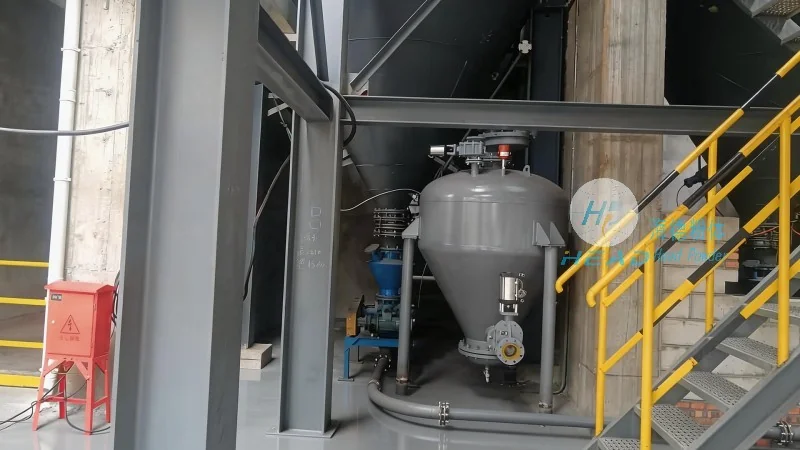
Working Principle of the Vacuum Suction Type Pneumatic Conveying Equipment
The operation of the vacuum suction type pneumatic conveying equipment is based on the principle of creating a pressure differential between the intake point and the discharge point. Here's a step-by-step breakdown of how the system functions:
1. Material Feeding: The bulk material is fed into the intake hopper from a storage silo or a bulk container. The rotary valve or star feeder regulates the flow rate, ensuring a consistent supply of material to the system.
2. Vacuum Creation: The vacuum pump or the fan system generates a negative pressure at the intake unit. This pressure difference draws the material into the conveying pipe along with the air. The vacuum level is carefully controlled to ensure the material is transported without clogging or loss.
3. Material Transport: The material-air mixture travels through the pipe network under negative pressure. The air velocity is maintained at an appropriate level to prevent material settling or blockages. The pipe system may include bends, elbows, and other fittings that are designed to minimize pressure loss and maintain the vacuum.
4. Material Separation: At the discharge point, the material is separated from the air stream using a cyclone separator or a bag filter. The separated material is collected in a discharge hopper or a storage container, while the clean air is either recirculated or released to the atmosphere.
5. System Regulation: The control system continuously monitors the pressure and flow rates throughout the process. If any abnormal conditions are detected, such as a blockage or a pressure drop, the system will automatically adjust or shut down to prevent damage and ensure safety.

Advantages of Vacuum Suction Type Pneumatic Conveying Equipment
Vacuum suction type pneumatic conveying equipment offers several benefits that make it a preferred choice for many industries. These advantages include:
1. Energy Efficiency: By operating under negative pressure, the system requires less energy compared to positive pressure systems, leading to lower operational costs.
2. Low Noise and Vibration: The absence of high-pressure air flow reduces noise and vibration levels, making the equipment suitable for use in environments where noise control is important.
3. Hygienic and Clean Operation: The stainless steel construction and enclosed system design ensure that the material remains clean and free from contamination, which is critical in food and pharmaceutical industries.
4. Flexible and Scalable: The equipment can be easily customized and scaled to accommodate different material types and transport distances. It can be integrated with existing production lines without major modifications.
5. Reduced Maintenance: The simple design and fewer moving parts result in lower maintenance requirements and longer equipment lifespan.
Applications and Industries
The vacuum suction type pneumatic conveying equipment is versatile and can be applied in a wide range of industries. Some common applications include:

1. Food and Beverage Industry: Transporting powders like flour, sugar, and spices, as well as granules like coffee beans and nuts.
2. Pharmaceutical Industry: Handling pharmaceutical powders, tablets, and granules with strict hygiene and contamination control requirements.
3. Chemical Industry: Conveying chemicals, pigments, and other powders in manufacturing processes.
4. Mineral and Mining Industry: Transporting bulk materials like coal, ore, and sand over long distances.
5. Plastic and Rubber Industry: Handling plastic pellets, rubber granules, and other materials in production lines.
Conclusion
HeadPowder's vacuum suction type pneumatic conveying equipment represents a reliable and efficient solution for bulk material transport. With its advanced structure and working principles, this equipment offers significant advantages in terms of energy efficiency, hygiene, and flexibility. By understanding the key components and operational principles, users can effectively utilize this technology to enhance their production processes and meet industry standards. HeadPowder, with its headquarters in Shandong, China, continues to innovate and provide high-quality pneumatic conveying solutions to meet the evolving needs of various industries.