

Introduction to Plug Flow Pneumatic Conveying Equipment: Structure and Principle Explanation
Plug flow pneumatic conveying systems represent a sophisticated method for transporting bulk materials through a pipeline using pressurized air. This technology is widely adopted in various industrial sectors due to its efficiency, flexibility, and ability to handle a broad range of materials. The core of such systems lies in the plug flow mechanism, where material is transported in discrete, solid plugs separated by air pockets, ensuring minimal degradation and loss of product quality.

Key Components and Structural Design of Plug Flow Pneumatic Conveying Systems
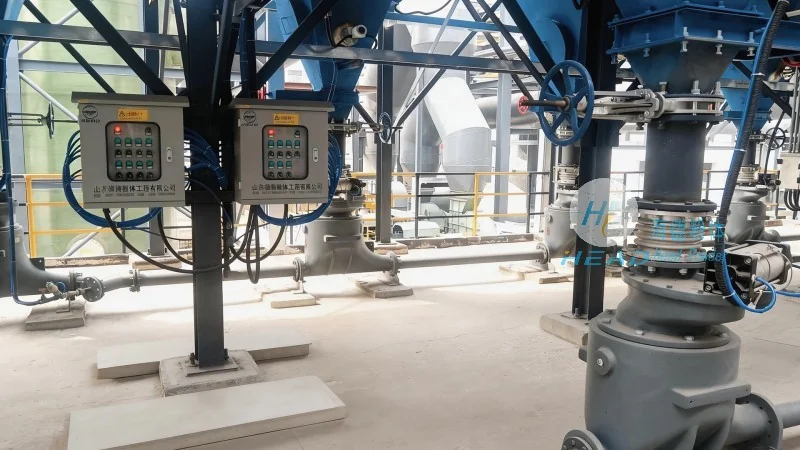
The plug flow system typically comprises several critical components, each designed to optimize material transport and system performance. The main elements include the feeding hopper, which holds the bulk material and regulates its discharge into the conveying line; the conveying pipeline, which may be horizontal or vertical, depending on the layout requirements; the air compressor or blower, responsible for generating the necessary air pressure to move the material; and the control valves and regulators that manage air flow and pressure. Additionally, the system may incorporate filters and cyclones to separate the conveyed material from the air stream, ensuring clean operation and material recovery.
Working Principle of Plug Flow Pneumatic Conveying
The operation of a plug flow system begins with the material being fed into the hopper. As the material accumulates, it forms a solid plug at the inlet of the pipeline. The air compressor then introduces pressurized air into the pipeline, creating a pressure differential that pushes the plug forward. The plug moves in a continuous manner, with each plug separated by an air pocket, preventing material mixing and ensuring stable transport. The system maintains a consistent flow rate by controlling the air pressure and material feed rate, which are crucial for preventing blockages or uneven material distribution.
Advantages of Plug Flow Pneumatic Conveying
Plug flow pneumatic conveying offers several advantages over other conveying methods. It is highly effective for transporting abrasive or sensitive materials, as the solid plugs minimize particle-to-particle and particle-to-pipe contact, reducing wear and degradation. The system also allows for long-distance transport without the need for intermediate storage or transfer points, making it suitable for large-scale industrial applications. Furthermore, plug flow systems can handle a wide variety of materials, including powders, granules, and even bulk solids, with minimal maintenance requirements. The ability to operate in both positive and negative pressure modes provides flexibility in system design and integration with existing industrial processes.

Applications in Industrial Settings
Plug flow pneumatic conveying is widely used in various industries, including pharmaceuticals, food processing, chemical manufacturing, and mining. In the pharmaceutical industry, it is employed to transport active pharmaceutical ingredients (APIs) and excipients with high precision, ensuring product purity and consistency. In food processing, the system is used to convey powders like flour, sugar, and spices, maintaining hygiene and preventing contamination. Chemical manufacturers utilize plug flow systems to transport raw materials and finished products, particularly in processes involving hazardous or reactive substances. Mining operations also benefit from this technology by transporting ore and waste materials over long distances with efficiency and safety.

Company Profile: Shandong HeadPowder Engineering Co., Ltd.
Shandong HeadPowder Engineering Co., Ltd., operating under the brand name headpowder, is a leading manufacturer of pneumatic conveying equipment. With a strong commitment to innovation and quality, the company specializes in designing and manufacturing plug flow and other types of pneumatic conveying systems tailored to meet the diverse needs of industrial clients. HeadPowder's products are engineered to deliver high performance, reliability, and durability, ensuring long-term operational efficiency and minimal downtime. The company's team of experienced engineers and technicians work closely with clients to understand their specific requirements and provide customized solutions that enhance productivity and reduce operational costs.
Conclusion
Plug flow pneumatic conveying equipment, with its advanced structure and working principles, offers a reliable and efficient solution for bulk material transport in various industrial applications. By understanding the key components, operational mechanisms, and advantages of these systems, industries can optimize their material handling processes, improve product quality, and enhance overall operational performance. As a trusted provider of pneumatic conveying solutions, Shandong HeadPowder Engineering Co., Ltd. continues to deliver high-quality equipment that meets the evolving demands of modern industrial operations.