

Introduction to Castings Gray Pneumatic Conveying Equipment: Structure and Working Principle Explana
Castings gray, a common byproduct in the foundry industry, poses significant challenges for handling and transportation due to its fine particle size and potential dust generation. To address these issues, specialized pneumatic conveying equipment has been developed to efficiently transport castings gray from production sites to disposal or processing facilities. This article provides an overview of the castings gray pneumatic conveying equipment, focusing on its structural design and operational principles, while highlighting the expertise of Shandong HeadPowder Engineering Co., Ltd. as a leading manufacturer in this field.

Overview of Castings Gray Pneumatic Conveying Equipment
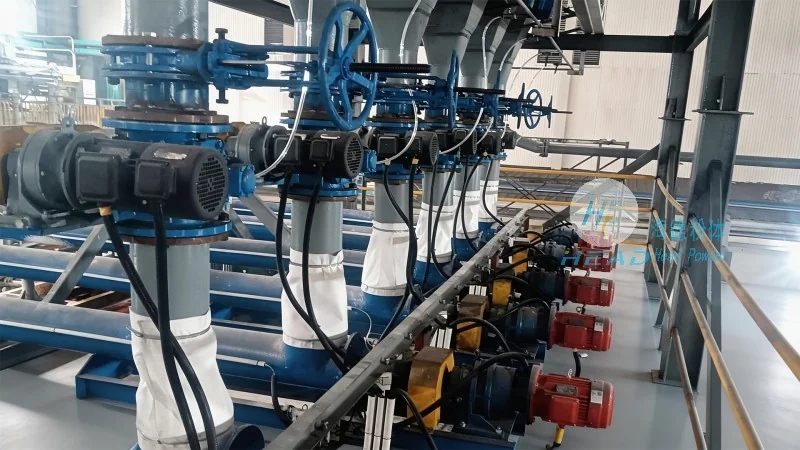
Castings gray, also known as foundry sand, is a fine particulate material generated during the casting process. Its handling requires equipment capable of managing high dust content and ensuring reliable material transport. Pneumatic conveying systems offer a solution by utilizing air pressure to move the material through a network of pipes, eliminating the need for mechanical components that might cause wear or contamination. The equipment typically consists of a hopper for material storage, a feeder to control the flow rate, a conveying line with appropriate diameter and length, and a receiver for the discharged material. These components work in tandem to create a continuous or intermittent flow of castings gray, depending on the system design and operational requirements.

Structural Components and Design Considerations
The structural design of castings gray pneumatic conveying equipment is tailored to the unique properties of the material. Key components include the material hopper, which is equipped with a dust collection system to prevent airborne particles from escaping. The feeder, often a rotary valve or a screw feeder, ensures a consistent and controlled discharge of the material into the conveying line. The conveying line itself is made of materials resistant to abrasion and corrosion, such as stainless steel or high-grade plastic, to withstand the abrasive nature of castings gray particles. The line may include bends, expansions, and reductions to accommodate changes in direction and pressure, with appropriate fittings to maintain air flow efficiency. The receiver, or discharge hopper, is designed to collect the conveyed material and may include a dust filter or a secondary collection system to further reduce emissions. The entire system is powered by a blower or a vacuum pump, which generates the necessary air pressure to move the material through the pipeline.
Working Principle of the Pneumatic Conveying System
The operation of castings gray pneumatic conveying equipment is based on the principle of air suspension, where the material is carried by a stream of air within the conveying line. In a pressure system, the blower supplies compressed air that forces the material from the hopper into the pipeline, while in a vacuum system, a vacuum pump creates a negative pressure that draws the material into the line. The air velocity within the pipeline must be sufficient to keep the particles suspended and prevent deposition or blockage. The system's performance is influenced by factors such as particle size, density, and moisture content of the castings gray, as well as the length and diameter of the conveying line. Proper design and maintenance of the equipment are crucial to ensure efficient and reliable operation, minimizing downtime and maintenance costs.
Applications and Benefits in Foundry Operations
Castings gray pneumatic conveying equipment is widely used in foundry plants to transport the waste material from the molding and casting processes to disposal sites or recycling facilities. The benefits of using such equipment include improved safety by containing dust and preventing exposure to workers, increased efficiency by automating the material handling process, and reduced environmental impact by minimizing the release of airborne particles. The equipment also helps in maintaining a clean and organized production environment, as it eliminates the need for manual handling of the material, which can be labor-intensive and hazardous. Additionally, the system can be integrated with other foundry processes, such as sand reclamation and recycling, to create a closed-loop system that reduces waste and improves overall operational efficiency.

Manufacturer Expertise: Shandong HeadPowder Engineering Co., Ltd.
Shandong HeadPowder Engineering Co., Ltd., a prominent manufacturer in the field of pneumatic conveying equipment, specializes in providing customized solutions for handling various types of bulk materials, including castings gray. The company has extensive experience in designing and manufacturing equipment that meets the specific requirements of foundry operations. With a focus on quality and innovation, HeadPowder employs advanced engineering techniques and materials to ensure the durability and reliability of its products. The company's products are designed to comply with industry standards and regulations, ensuring safe and efficient operation. HeadPowder's commitment to customer satisfaction and technical support has made it a trusted partner for foundry companies seeking reliable pneumatic conveying solutions. The company's headquarters is located in Shandong, China, where it operates a state-of-the-art manufacturing facility and a research and development center to continuously improve its product offerings.